Diplomatic Engagement and Economic Collaboration
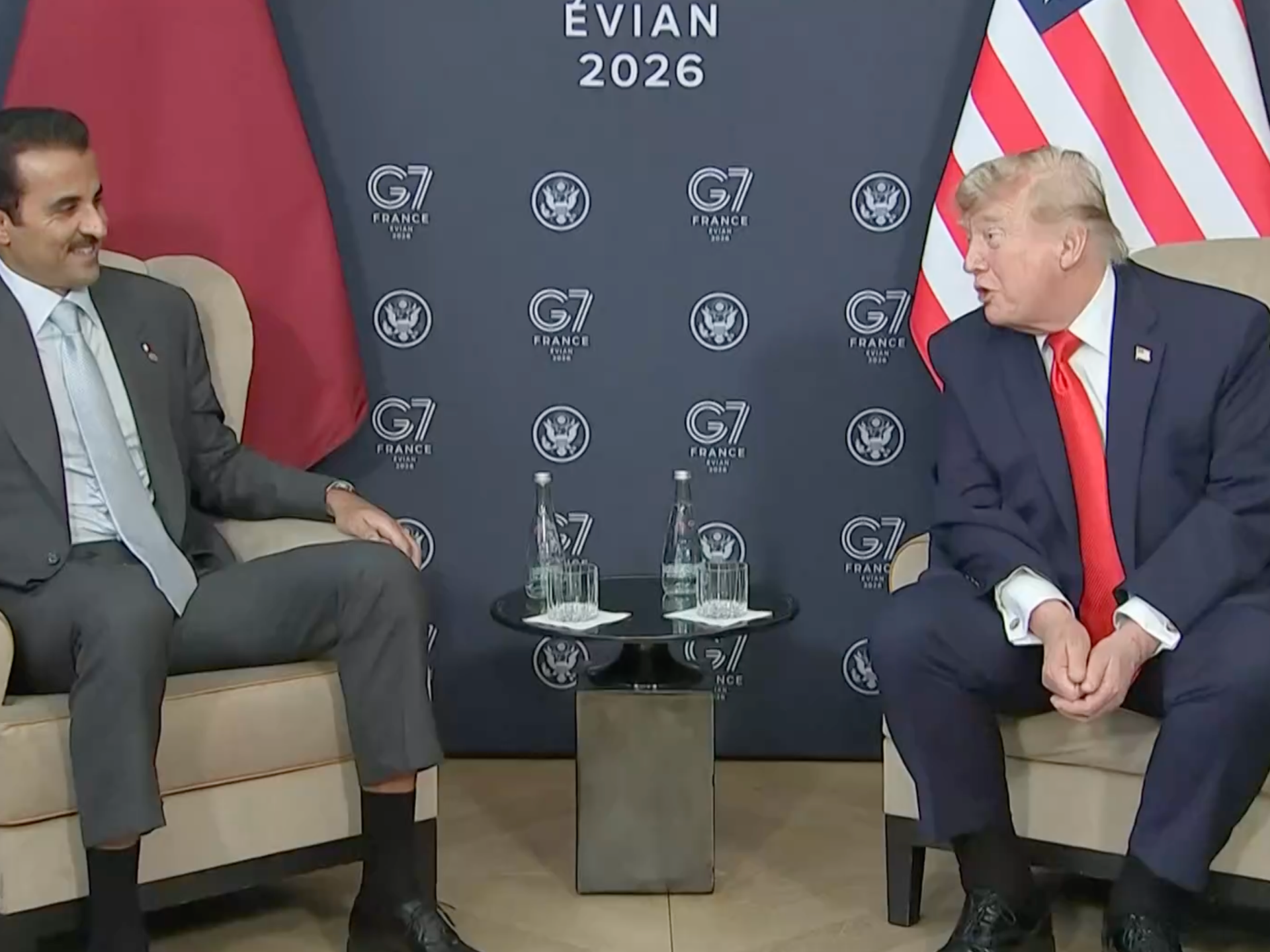
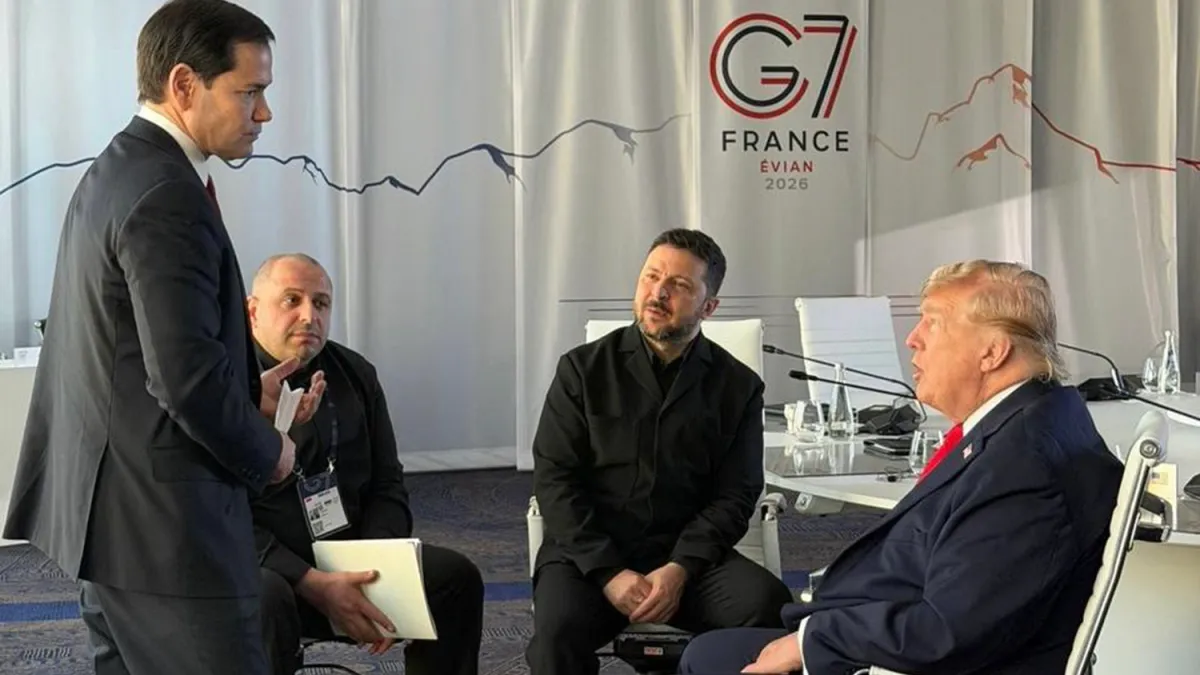
In a recent high-level interaction, Qatar's Emir, Sheikh Tamim bin Hamad Al Thani, conveyed his gratitude to former U.S. President Donald Trump for the successful conclusion of an agreement pertaining to Iran. The Qatari leader characterized this accord as profoundly important for fostering stability and security across the Middle East. This acknowledgement took place during a press conference held on the periphery of the G7 summit, a significant international gathering that brings together leaders from major industrialized nations to discuss global economic and political issues.
Beyond the diplomatic discussions surrounding regional security, a central theme of the engagement was the burgeoning economic relationship between Qatar and the United States. Sheikh Tamim took the opportunity to highlight the strength and potential of this partnership, indicating that bilateral trade between the two nations is on a trajectory to reach an impressive $1.2 trillion. This figure underscores the substantial and growing economic interdependence, encompassing various sectors such as energy, technology, and investment.
The Significance of the Iran Agreement
The agreement concerning Iran, while not detailed in its specifics in the original report, was clearly viewed by the Qatari Emir as a positive development. In the complex geopolitical landscape of the Middle East, any diplomatic resolution or understanding regarding Iran is often seen as a crucial step towards de-escalation and regional stability. Qatar, like many nations in the Gulf region, has a vested interest in a peaceful and predictable environment, as regional tensions can have widespread implications for trade routes, energy markets, and internal security. The Emir's public commendation suggests a perception that the agreement contributes to these broader goals, potentially by addressing areas of concern or by opening avenues for dialogue.
Historical context reveals that the relationship between Iran and its Gulf neighbors has often been characterized by periods of tension and cooperation. Therefore, any diplomatic breakthrough that receives positive acknowledgment from a key regional player like Qatar is noteworthy. Such agreements can help to reduce uncertainties, foster greater predictability in regional dynamics, and potentially pave the way for broader diplomatic engagement among all parties involved.
Bolstering U.S.-Qatar Economic Ties
The projection of bilateral trade reaching $1.2 trillion is a testament to the deep and expanding economic relationship between Qatar and the United States. This figure, if realized, would represent a significant increase and solidify Qatar's position as a vital economic partner for the U.S. The U.S. is a major destination for Qatari investments, particularly in sectors like real estate, technology, and infrastructure. Conversely, American companies have a strong presence in Qatar, contributing to various sectors, including energy, defense, and services.
Qatar, a major global supplier of liquefied natural gas (LNG), plays a crucial role in global energy markets. Its strategic investments abroad, including in the U.S., are part of a broader economic diversification strategy aimed at reducing reliance on hydrocarbon revenues. These investments not only generate financial returns but also strengthen political and economic ties with key international partners. The U.S., with its vast market and technological leadership, remains an attractive destination for Qatari capital and a significant source of goods and services for Qatar.
Furthermore, the U.S.-Qatar relationship extends beyond trade and investment to include robust cooperation in defense and security. Qatar hosts Al Udeid Air Base, a critical U.S. military facility in the region, underscoring the strategic alliance between the two countries. This multifaceted partnership provides a stable framework for continued economic growth and diplomatic cooperation.
The G7 Summit Context
The G7 summit serves as a crucial platform for leaders to engage in bilateral discussions alongside multilateral agenda items. Such gatherings allow for direct, high-level interactions that might be difficult to arrange otherwise. The presence of Sheikh Tamim bin Hamad Al Thani at the G7 summit, even if on the sidelines, highlights Qatar's increasing diplomatic influence and its role as a significant global player. It provides an opportunity for leaders to address pressing international issues, forge new partnerships, and strengthen existing alliances.
During these summits, leaders often use press conferences to communicate key messages and outcomes of their meetings. Sheikh Tamim's remarks to the press not only conveyed his appreciation for the Iran agreement but also served to publicly reaffirm Qatar's commitment to its economic partnership with the United States. Such public statements are important for signaling intent and reassuring investors and partners about the stability and direction of bilateral relations.
In conclusion, the meeting between Qatar's Emir Sheikh Tamim bin Hamad Al Thani and former President Donald Trump underscored both the diplomatic efforts towards regional stability, particularly regarding the Iran agreement, and the robust and expanding economic collaboration between Qatar and the United States. The projected growth in bilateral trade signifies a deepening partnership that is strategically important for both nations, contributing to economic prosperity and regional security.
Source: Original Article
Related Articles
 world
world
Global Water Crisis: Satellite Imagery Reveals Ten Disappearing Freshwater Sources
 world
world
Escalating Tensions: Israeli Actions in Lebanon Jeopardize US-Iran Agreement
 world
world
G7 Leaders Pledge Enhanced Support for Ukraine and Stricter Sanctions on Russia
 world
world