Historical Tensions Resurface Between Poland and Ukraine
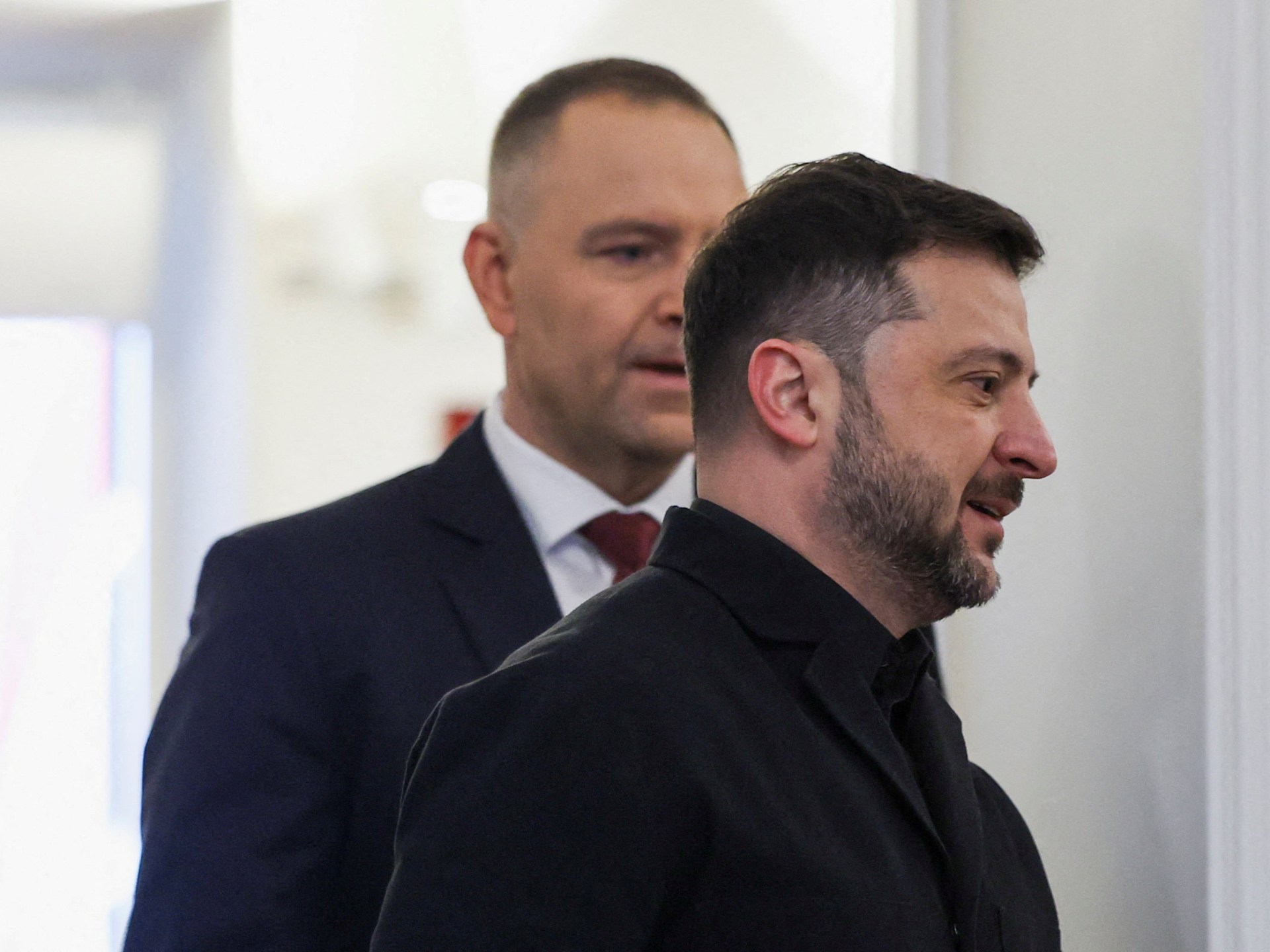
A diplomatic rift appears to be widening between Poland and Ukraine, stemming from a decision by the Ukrainian leadership that has sparked significant indignation in Warsaw. The controversy centers on the renaming of a Ukrainian army unit, a move that has prompted Poland's President to consider the unprecedented step of stripping Ukrainian President Volodymyr Zelenskyy of a high state honor previously awarded to him.
The Order of the White Eagle Under Review
The honor in question is the Order of the White Eagle, Poland's highest decoration, which President Zelenskyy received in April 2023. This award was presented in recognition of his leadership and resilience during the ongoing conflict with Russia, symbolizing the strong solidarity Poland had extended to Ukraine. However, recent actions by Kyiv have led to a reevaluation of this gesture by Polish authorities.
Renaming of Ukrainian Army Unit Causes Outcry
The core of the dispute lies in Ukraine's decision to rename an army unit after figures associated with the Ukrainian Insurgent Army (UPA), a nationalist paramilitary organization active during World War II. The UPA is widely implicated in the mass killings of Poles in the Volhynia and Eastern Galicia regions between 1943 and 1945, an event that Poland officially recognizes as genocide. For many Poles, the glorification of individuals connected to these atrocities is deeply offensive and a profound historical injustice.
"The decision to name a military unit after individuals responsible for the deaths of thousands of innocent Poles is an unacceptable provocation. It undermines the very foundations of our bilateral relations and the trust we have tried to build," a spokesperson for the Polish presidency stated.
Polish Response and Potential Diplomatic Fallout
The Polish President's office has conveyed that the renaming constitutes an 'outrage' and a direct affront to Polish historical memory. While no definitive decision has been made regarding the revocation of the Order of the White Eagle, the mere public consideration of such a move signifies the gravity of the situation and the depth of Polish dissatisfaction. Such an action, if taken, would represent a severe diplomatic rebuke and could strain the crucial alliance between Poland and Ukraine, particularly at a time when Ukraine relies heavily on international support.
Broader Implications for Polish-Ukrainian Relations
This incident highlights the persistent challenges in Polish-Ukrainian relations, where shared strategic interests in countering Russian aggression often clash with deeply rooted historical grievances. While both nations have made efforts to reconcile and move past historical traumas, events like the renaming of the army unit underscore the fragility of this reconciliation. The Polish government is under domestic pressure to respond firmly to actions perceived as disrespectful to Polish victims of wartime violence.
The controversy also raises questions about Ukraine's approach to its own historical narratives, particularly concerning figures and organizations that are viewed differently within Ukraine and by its neighbors. Balancing national heroism with the sensitivities of historical memory remains a complex task for Kyiv, especially in the context of maintaining vital international partnerships.
As the situation unfolds, observers will be watching closely to see if diplomatic channels can de-escalate the tensions and prevent further damage to the critically important relationship between Poland and Ukraine.
Source: Original Article