
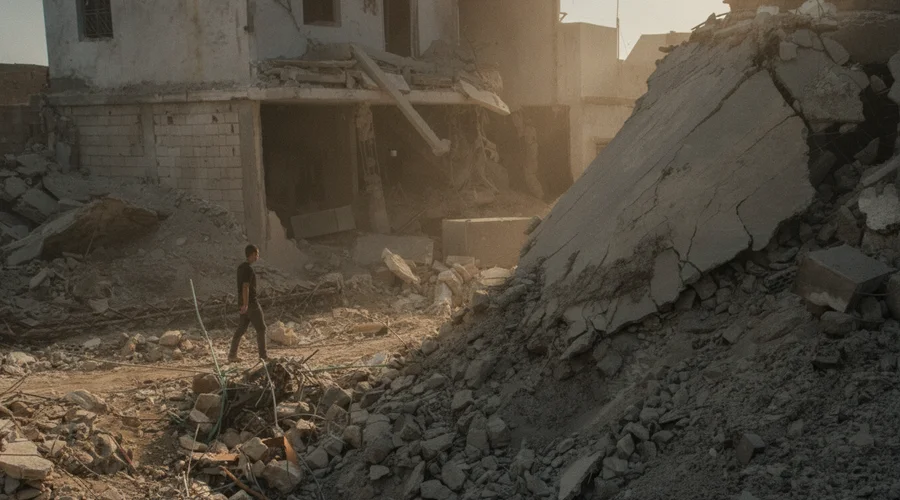
Continued Hostilities in Southern Lebanon
Despite an anticipated agreement between the United States and Iran, intended to formally conclude hostilities across various fronts, Israeli military operations have persisted in southern Lebanon. Reports indicate that Israeli drones conducted three separate attacks in Tyre, resulting in injuries, while another drone targeted the Bint Jbeil district within Nabatieh, according to Lebanon’s state-run National News Agency on Wednesday.
These ongoing military actions pose a significant challenge to the broader framework agreement between the US and Iran. Tehran has explicitly warned that any new Israeli strikes on Lebanese territory, coupled with continued occupation, would be considered a direct violation of the proposed deal.
Ground Operations and Retaliation
Earlier on Wednesday, correspondents reported Israeli air strikes on the outskirts of Kfar Tebnit, also situated in the Nabatieh district. Further raids were launched on the town of Nabatieh al-Fawqa, and shelling targeted the Ali al-Taher heights and the surrounding areas. In response, Hezbollah fighters reportedly launched at least ten rockets towards Israeli forces positioned near Kfar Tebnit.
The previous day, Israeli attacks in Nabatieh resulted in at least four fatalities, including those from drone strikes on multiple vehicles. While there has been a noticeable reduction in the overall level of violence since the announcement of the US-Iran agreement, these targeted attacks have not ceased.
Observers suggest that the Israeli military may be attempting to secure strategic elevated positions, particularly around Nabatieh. Although some families have begun to return to their villages, a pervasive sense of apprehension remains, with residents expressing distrust that Israel will adhere to any ceasefire.
United Nations spokesperson Stephane Dujarric noted a significant decrease in cross-border projectile exchanges. On a recent Sunday, the number of projectiles fired between Israeli forces and Lebanon dropped to 174, a substantial reduction from 705 the preceding Sunday. Of these, 169 were attributed to Israel, and five to Hezbollah.
Lebanon's Central Role in the Agreement
The situation in Lebanon is considered a critical component of the US-Iran agreement. As the formal signing of the deal approaches, it is becoming an increasingly sensitive point of contention between the involved parties. Iran has accused the Israeli military of violating the ceasefire in Lebanon 84 times within a two-day period, issuing a stern warning of a “harsh response” if the attacks do not cease.
Iranian Foreign Minister Abbas Araghchi emphasized that the withdrawal of the Israeli military from Lebanese territory is a fundamental prerequisite for advancing the framework agreement with the US. He underscored that the situation in southern Lebanon, in particular, is an integral aspect of the memorandum of understanding.
According to Mohammad Eslami from Tehran University, Lebanon was a top priority for Iran during its negotiations with the previous US administration. Eslami stated that Iran demonstrated its resolve to support Lebanon, its people, government, and resistance factions by not only retaliating against Israeli attacks but also by launching preemptive strikes on Israeli territory.
Allegations of War Crimes and Displacement
In a related development, the human rights organization Amnesty International issued a statement on Wednesday, asserting that the Israeli army’s widespread forced displacement orders in Lebanon constitute war crimes under international law. Amnesty International highlighted that in parts of southern Lebanon, the Israeli military’s actions, including the forced displacement of civilians and preventing their return, amount to unlawful transfer—a recognized war crime.
The organization noted that the Israeli army has significantly expanded its use of such orders, leading to the displacement of hundreds of thousands of people across Lebanon. Amnesty International urged Israeli forces to immediately withdraw from Lebanese territory instead of forcibly uprooting communities and designating large areas of Lebanese land as “no-go zones” for civilians.
Amnesty International referenced that the Israeli military declared approximately 4.6 percent of Lebanon as a “no-go zone” on November 28, 2024, shortly after a previous ceasefire took effect. This year, just three days after an April 17 ceasefire announcement, the restricted area was further expanded to about 6 percent of the country, with residents ordered not to return to villages that were previously home to tens of thousands of civilians.
Lebanese officials have reported that Israel’s large-scale offensive in the country, which commenced on March 2, has resulted in over 3,800 fatalities, 11,850 injuries, and the displacement of more than one million people.
Source: Israeli air strikes on Lebanon continue despite US-Iran deal
Related Articles
 world
world
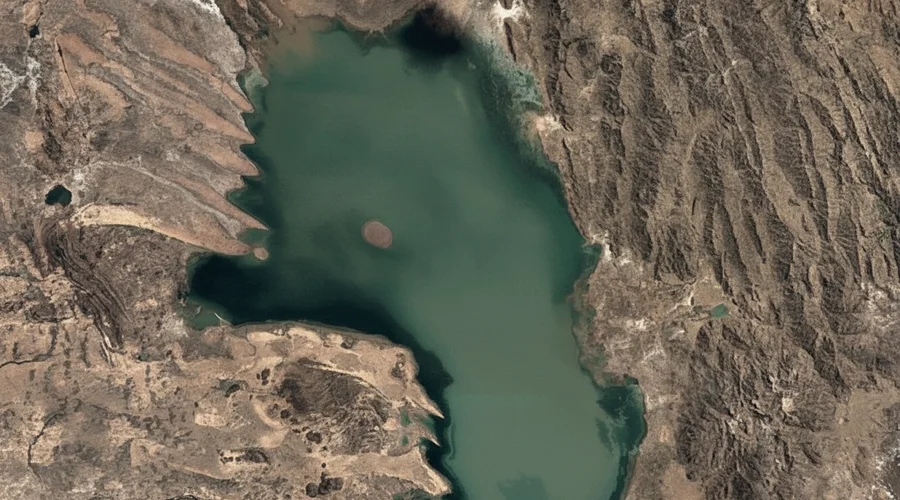
Global Water Crisis: Satellite Imagery Reveals Ten Disappearing Freshwater Sources
 world
world
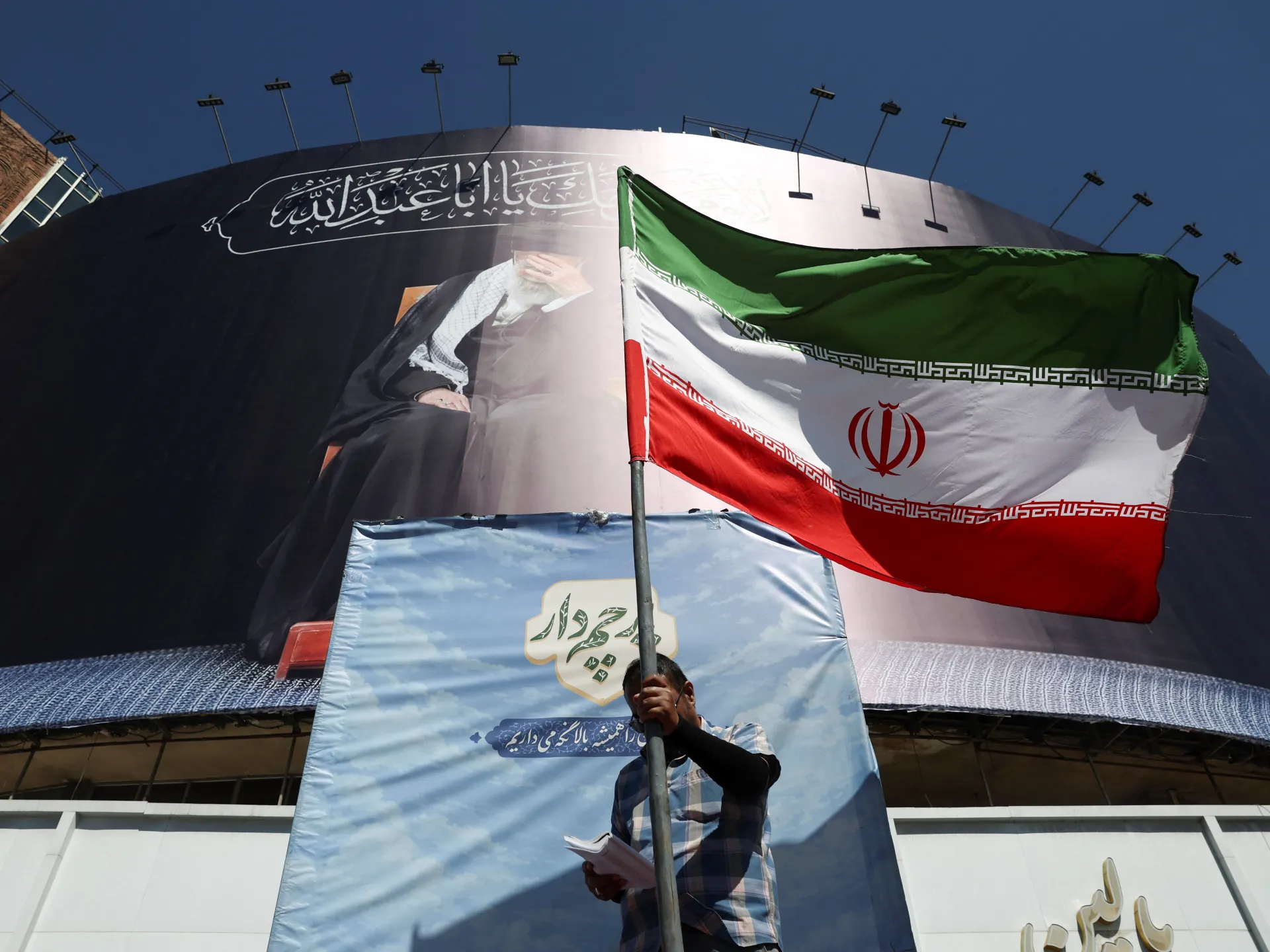
Escalating Tensions: Israeli Actions in Lebanon Jeopardize US-Iran Agreement
 world
world
G7 Leaders Pledge Enhanced Support for Ukraine and Stricter Sanctions on Russia
 world
world