Pakistan's Shifting Geopolitical Landscape
In recent times, Pakistan appears to be navigating a more favorable diplomatic environment, garnering increased engagement from significant global powers like the United States and China. This development marks a notable shift in the regional power dynamics, with various observers attributing this change, in part, to India's foreign policy approaches.
The Role of India's Strategy
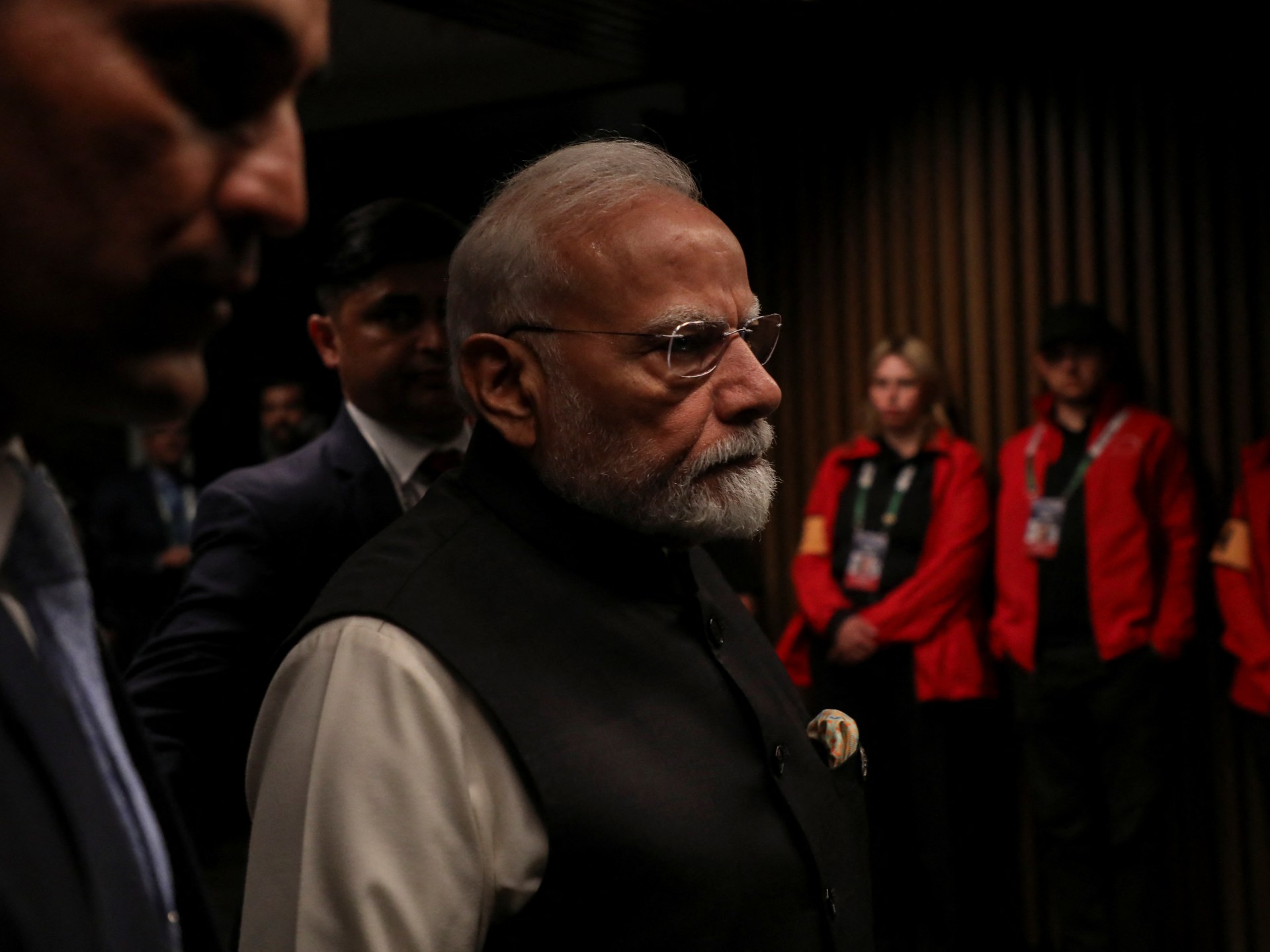
For several years, India, under Prime Minister Narendra Modi's leadership, has pursued a foreign policy aimed at diminishing Pakistan's international influence, particularly following incidents such as the 2016 Uri attack and the 2019 Pulwama attack. These efforts included diplomatic campaigns to label Pakistan as a state sponsor of terrorism and to limit its participation in international forums. However, some analysts contend that these strategies may have inadvertently contributed to Pakistan's current diplomatic resurgence rather than its isolation.
"India's aggressive stance against Pakistan, while intended to isolate it, might have instead pushed Pakistan into closer alignment with other major powers seeking to balance regional influence," noted one political analyst.
The perception among some experts is that India's persistent attempts to internationally censure Pakistan might have inadvertently created an opportunity for other nations to engage more directly with Islamabad, thereby complicating New Delhi's objectives.
Engagement with the United States
Despite previous tensions, Pakistan has seen a renewed interest from the United States. The Trump administration, in particular, has demonstrated a pragmatic approach, recognizing Pakistan's strategic importance in regional security, especially concerning Afghanistan. This engagement has often involved high-level meetings and discussions, signaling a potential recalibration of U.S. foreign policy in South Asia.
- U.S. President's direct outreach to Pakistani leadership.
- Focus on counter-terrorism cooperation.
- Discussions on regional stability, particularly regarding Afghanistan.
This renewed U.S. interest contrasts with earlier periods when relations were more strained, and India was often seen as the primary strategic partner in the region. The current U.S. administration's willingness to engage with Pakistan on critical regional issues suggests a recognition of Pakistan's indispensable role.
Strengthening Ties with China
Simultaneously, Pakistan's long-standing relationship with China has continued to deepen, particularly through the ambitious China-Pakistan Economic Corridor (CPEC). CPEC, a flagship project of China's Belt and Road Initiative, involves massive infrastructure development and investment in Pakistan, further solidifying their economic and strategic partnership.
China's steadfast support provides Pakistan with a crucial diplomatic and economic buffer. This robust alliance ensures that, regardless of pressures from other nations, Pakistan maintains a strong international partner. The CPEC project not only brings economic benefits but also reinforces geopolitical alignment between the two countries, effectively countering any attempts at isolation.
Regional Implications and Future Outlook
The evolving diplomatic landscape suggests a more complex regional dynamic than what India might have initially envisioned. Pakistan's ability to attract attention from both the U.S. and China indicates a strategic repositioning that could have significant implications for South Asian stability.
For India, this situation presents a challenge to its 'neighborhood first' policy and its efforts to assert regional dominance. The perception that its strategies might have backfired could lead to a reevaluation of its foreign policy approaches towards Pakistan and other regional actors.
In conclusion, Pakistan's current diplomatic standing appears to be more robust, benefiting from a confluence of factors including its strategic geographical location, the interests of major global powers, and, according to some analysts, the unintended consequences of India's own diplomatic initiatives. This complex interplay of forces ensures that Pakistan remains a crucial player in the geopolitical chessboard of South Asia.
Source: Al Jazeera