Drone Crash in Romania Raises Alarm Among NATO Members
A recent incident involving a drone crash in Romania has prompted expressions of concern from various NATO member nations. This event is contributing to growing anxieties that the ongoing conflict between Russia and Ukraine could inadvertently extend its reach, potentially involving neighboring countries within the NATO alliance.
The Incident and Immediate Reactions
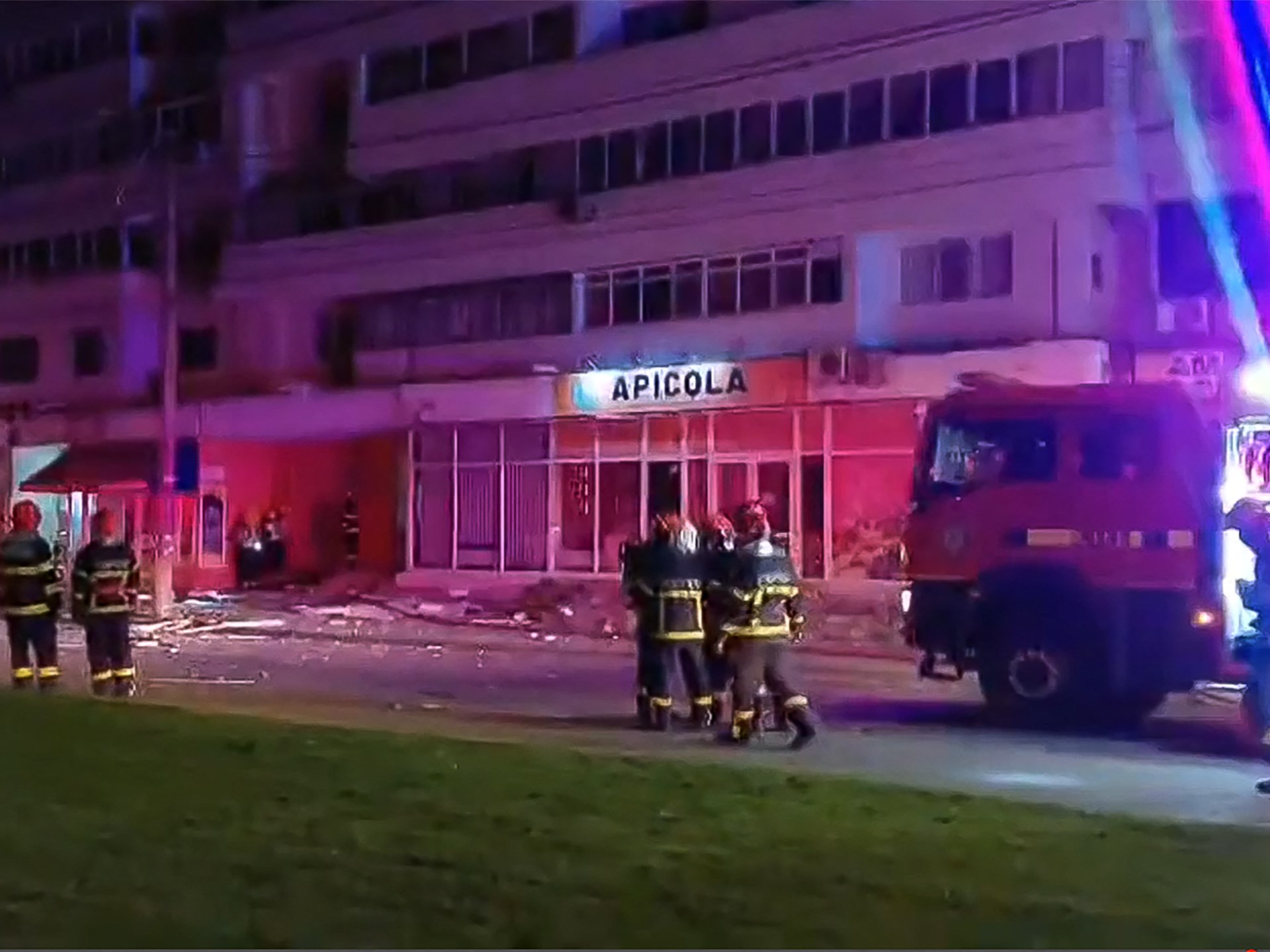
Details surrounding the drone crash in Romania have been a subject of scrutiny. While specific information regarding the drone's origin and purpose remains under investigation, its presence and subsequent crash within Romanian territory, a NATO member state, have naturally drawn international attention. Romanian authorities are reportedly conducting a thorough examination of the debris to ascertain the drone's type and trajectory, as well as any identifying marks that could shed light on its provenance.
Initial reactions from NATO allies have underscored a collective apprehension. Statements from various capitals have emphasized the importance of maintaining regional stability and preventing any escalation of the current geopolitical tensions. These responses reflect a broader concern about the unpredictable nature of the conflict in Ukraine and its potential to inadvertently affect areas beyond its immediate borders.
Broader Implications for Regional Security
The drone incident in Romania is not an isolated event but rather fits into a pattern of heightened vigilance and occasional border incursions or near-misses that have characterized the region since the full-scale invasion of Ukraine. Such occurrences, even if accidental, serve as stark reminders of the volatile security environment in Eastern Europe. They underscore the challenges of managing a conflict in close proximity to an international alliance dedicated to collective defense.
For NATO, these incidents test the alliance's resolve and its mechanisms for de-escalation and crisis management. The principle of collective defense, enshrined in Article 5 of the NATO treaty, dictates that an attack on one member is considered an attack on all. While the drone crash has not been classified as an act of aggression, it nonetheless highlights the thin line between isolated incidents and more serious provocations, necessitating careful diplomatic and defensive responses.
International Calls for De-escalation and Caution
In the aftermath of the crash, there have been renewed calls from international bodies and individual nations for all parties involved in the Ukraine conflict to exercise maximum restraint. The emphasis is on avoiding actions that could inadvertently lead to a wider regional destabilization. The incident in Romania serves as a practical example of how the conflict's ripple effects can manifest, even in unforeseen ways.
Discussions among NATO members are likely to focus on enhancing air defense capabilities, improving early warning systems, and strengthening intelligence sharing to mitigate future risks. The goal is to ensure that borders are secure and that any potential threats are identified and addressed swiftly, without contributing to an escalation of the existing conflict. The situation remains fluid, with international observers closely monitoring developments and diplomatic efforts aimed at maintaining peace and security in the region.
Source: Original Article