Regional Instability Continues Amid Diplomatic Deadlock
The Middle East is experiencing a period of heightened tension, characterized by a persistent diplomatic impasse between the United States and Iran. This stalemate coincides with an escalation of military activities, notably Israel's deepening offensive into southern Lebanon, contributing to a complex and volatile regional landscape.
US-Iran Relations Remain Strained
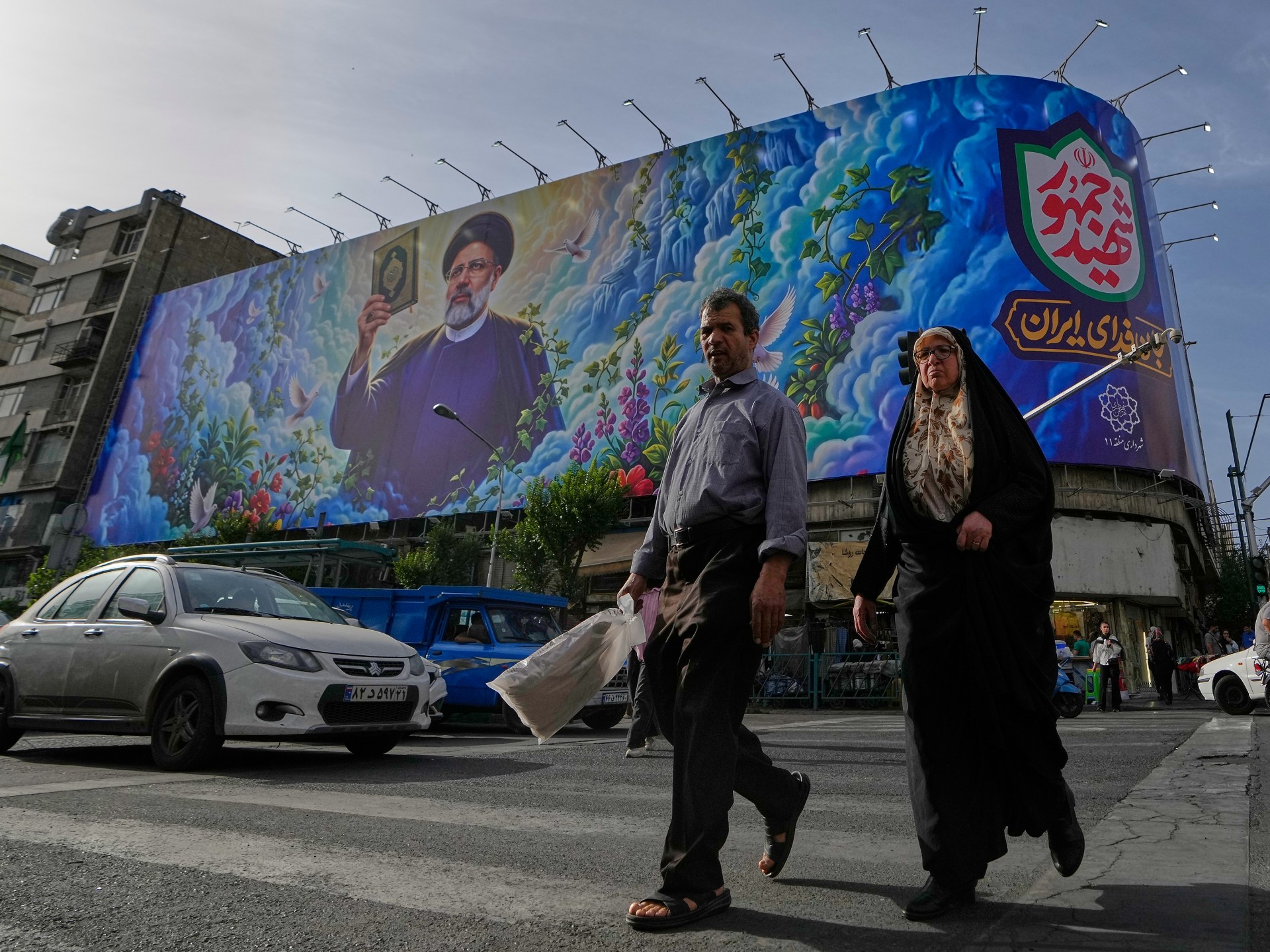
Efforts to achieve a comprehensive peace agreement between Washington and Tehran have yet to yield significant breakthroughs. Relations between the two nations continue to be marked by deep-seated disagreements on various fronts, including Iran's nuclear program, its regional influence, and the presence of US forces in the Middle East. Despite intermittent attempts at de-escalation or negotiation, a definitive resolution remains out of reach, perpetuating an environment of uncertainty and mistrust. Analysts suggest that the lack of direct, high-level engagement on a consistent basis further complicates the path toward a stable diplomatic resolution.
The absence of a clear pathway to peace between these two major players has ripple effects across the entire region, influencing the actions and strategies of numerous other states and non-state actors.
Israel Expands Operations in Southern Lebanon
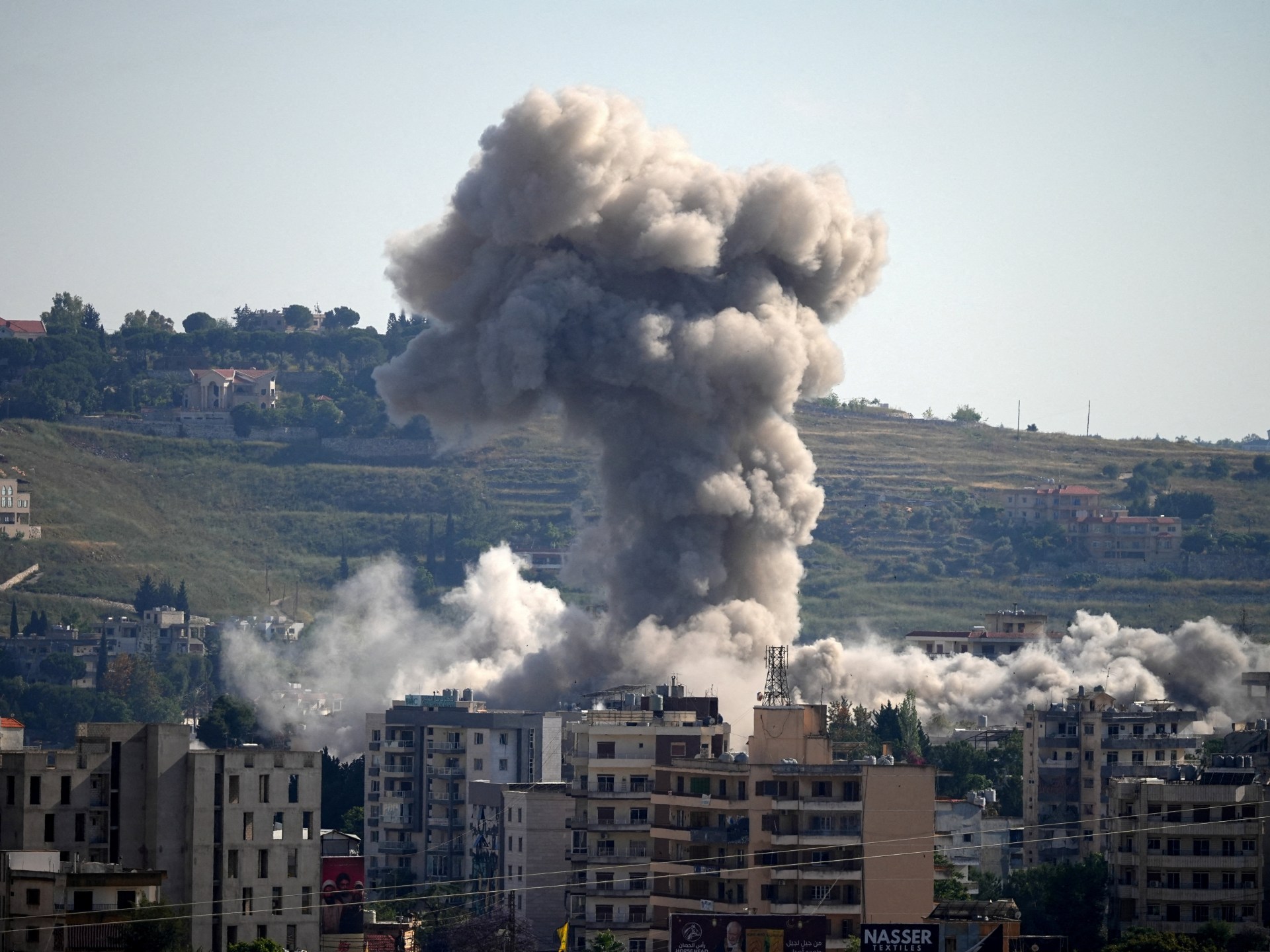
Concurrently with the US-Iran diplomatic challenges, Israel has significantly intensified its military operations in southern Lebanon. This escalation marks a critical development in the ongoing regional conflicts, raising concerns about potential wider instability. Details emerging from the ground indicate that the Israeli offensive is more extensive than previous engagements in the area, involving various military assets and strategic maneuvers. The precise objectives of this deepened offensive are subject to ongoing analysis, but they are generally understood to be related to security concerns along Israel's northern border. The humanitarian impact on civilian populations in southern Lebanon is also a growing concern as the conflict progresses.
Interconnected Regional Dynamics
The concurrent developments—the US-Iran diplomatic deadlock and Israel's expanded operations in southern Lebanon—are not isolated incidents but rather interconnected facets of a broader regional dynamic. The unresolved tensions between the United States and Iran often serve as a backdrop for other conflicts, potentially influencing the calculations of various actors. Similarly, the intensification of hostilities in one area can have a domino effect, potentially drawing in other parties or exacerbating existing grievances. The international community continues to monitor these developments closely, urging restraint and advocating for diplomatic solutions to prevent a further deterioration of the security situation.
Observers note that the current environment underscores the fragility of peace in the Middle East, where local conflicts can quickly intertwine with broader geopolitical rivalries. The need for sustained diplomatic efforts and a commitment to de-escalation from all parties involved is paramount to navigating these complex challenges and preventing a larger regional conflagration.
Source: Al Jazeera