Diplomatic Engagements and Regional Conflicts
The geopolitical landscape of the Middle East remains a focal point of international attention, characterized by ongoing diplomatic efforts concerning Iran's nuclear program and heightened military actions in neighboring territories. Recent statements from former U.S. President Donald Trump shed light on the status of negotiations with Iran, indicating a cautious yet persistent approach to resolving long-standing issues.
Trump's Perspective on Iran Negotiations
Donald Trump, commenting on the diplomatic channels with Iran, characterized the progress as 'slowly but surely' advancing. This statement suggests a deliberate and unhurried strategy in the ongoing discussions, potentially aimed at achieving a comprehensive and sustainable agreement rather than a swift resolution. The nature of these talks often involves complex considerations, including nuclear enrichment capabilities, sanctions relief, regional security concerns, and international oversight. A gradual approach might allow for more thorough deliberation on these multifaceted aspects, potentially reducing the likelihood of future disputes.
The U.S. approach to Iran has historically oscillated between engagement and pressure. Under the Trump administration, the U.S. withdrew from the Joint Comprehensive Plan of Action (JCPOA), commonly known as the Iran nuclear deal, in 2018, re-imposing stringent sanctions. This move led to increased tensions and a period of heightened rhetoric. Subsequent efforts, both direct and indirect, have sought to de-escalate the situation and find a new pathway for agreement, particularly concerning Iran's nuclear ambitions. The 'slowly but surely' remark could indicate a recognition of the intricate nature of these negotiations, requiring patience and sustained effort from all parties involved.
Intensification of Israeli Operations in Lebanon
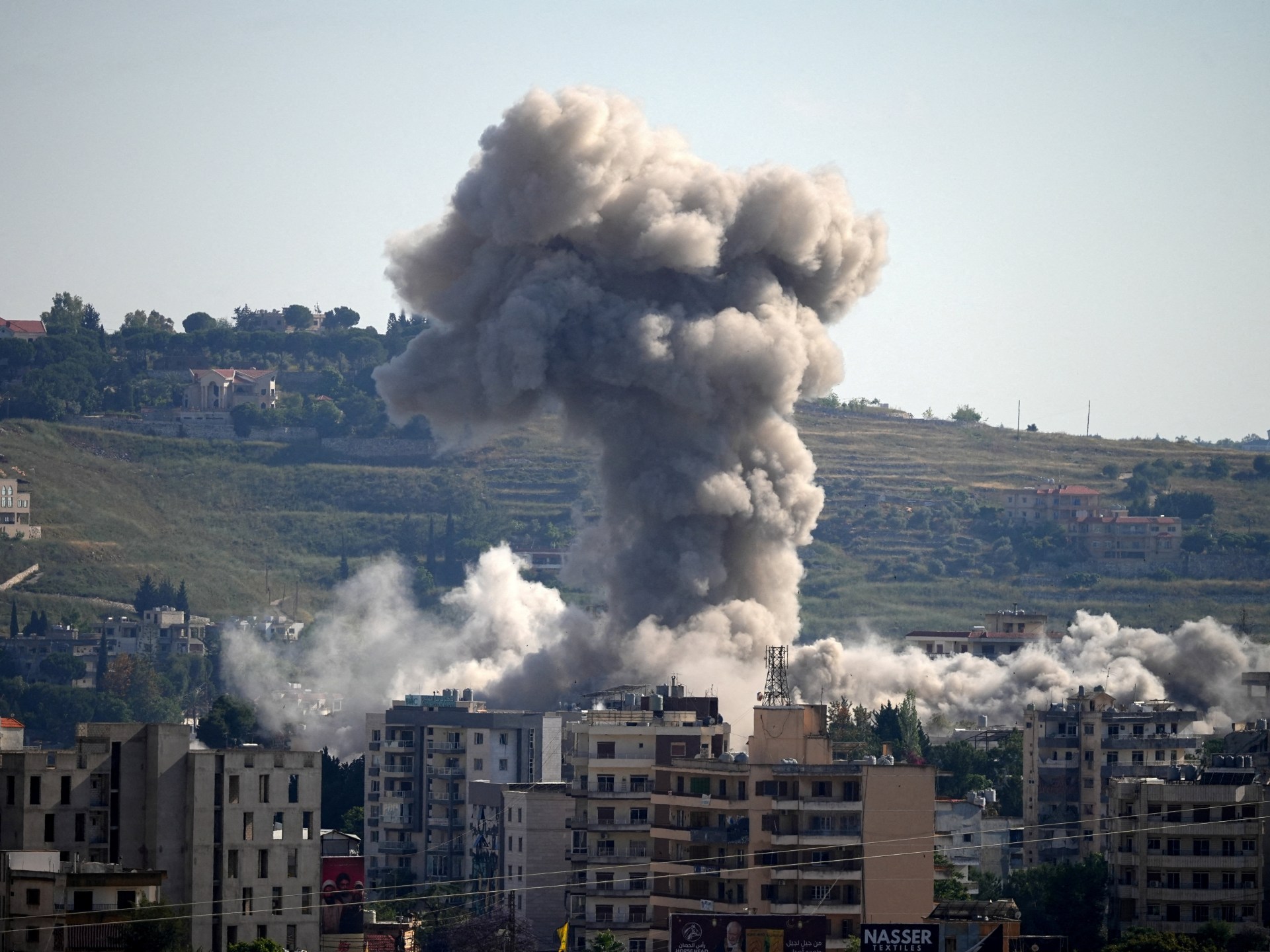
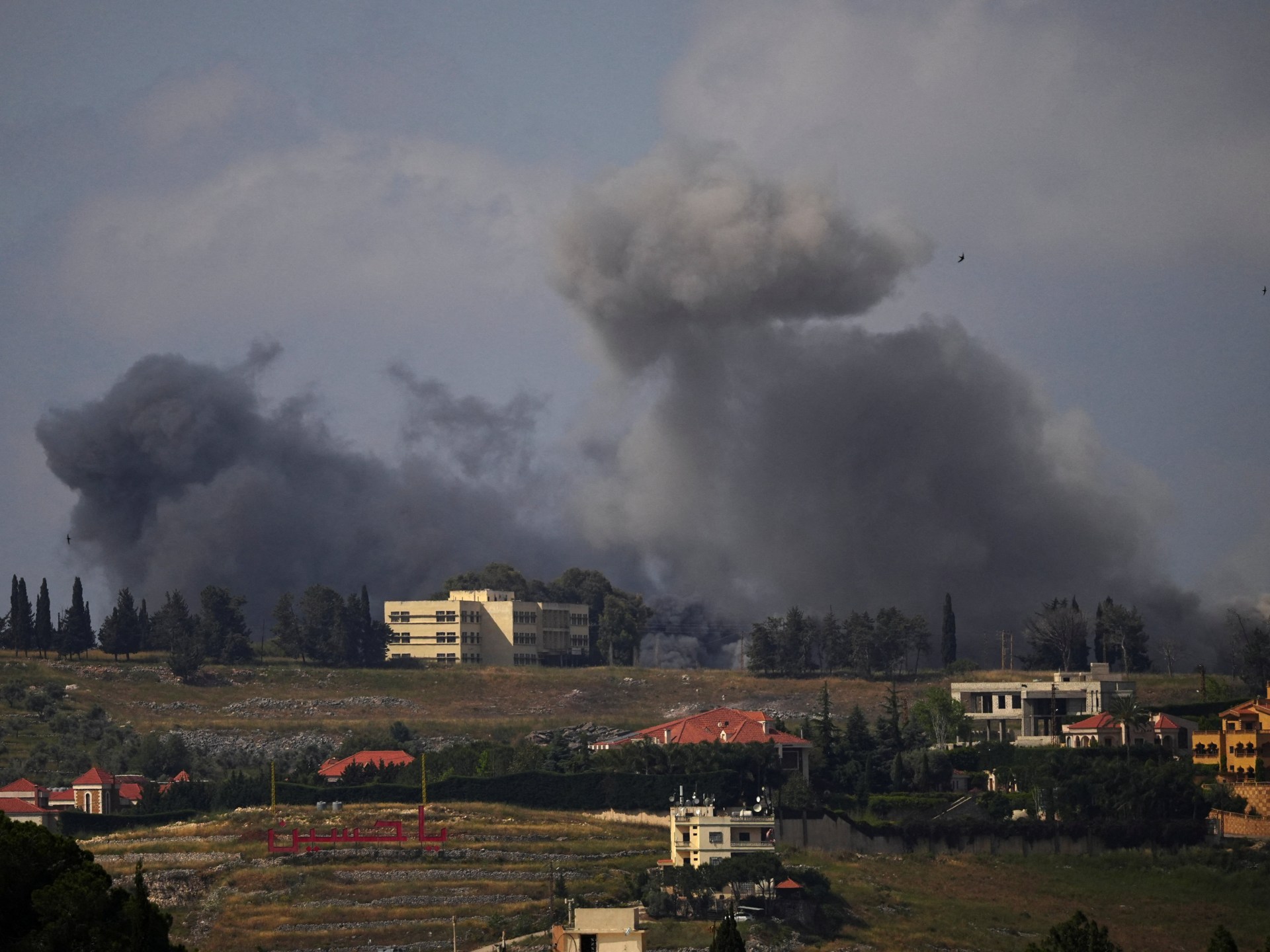
Concurrently with the diplomatic developments concerning Iran, reports indicate an intensification of Israeli military operations within Lebanon. The specific nature and scope of these expanded operations are critical for understanding the evolving security dynamics in the region. Such escalations often involve a range of military activities, including aerial strikes, ground incursions, or naval deployments, typically in response to perceived threats or ongoing conflicts.
The border region between Israel and Lebanon has historically been a flashpoint for conflict, particularly involving Israeli forces and Hezbollah, a powerful political party and armed group in Lebanon. Tensions in this area are frequently influenced by broader regional dynamics, including the conflict in Gaza and the wider geopolitical rivalries involving Iran and its allies. An expansion of operations by Israel could be a strategic response to specific intelligence, a reaction to recent provocations, or part of a larger security objective to neutralize perceived threats emanating from Lebanese territory.
The interplay between diplomatic endeavors and military actions highlights the complex and often interconnected challenges facing the Middle East. Progress on one front can be influenced, positively or negatively, by developments on another.
The impact of intensified military activities on civilian populations and regional stability is a significant concern. Such actions often lead to displacement, humanitarian crises, and further destabilization, complicating efforts towards peace and resolution. International bodies and humanitarian organizations typically monitor these situations closely, advocating for de-escalation and adherence to international humanitarian law.
Broader Regional Context
The current situation in the Middle East is characterized by multiple interconnected crises. The ongoing conflict in Gaza, the diplomatic overtures with Iran, and the heightened tensions between Israel and Lebanon are all facets of a broader regional struggle for power, security, and influence. External actors, including global powers, often play significant roles in these dynamics, through diplomatic mediation, military aid, or economic sanctions.
The 'slowly but surely' approach to Iran negotiations, combined with the expansion of Israeli operations, underscores a period of delicate balance. While diplomatic channels are being pursued to address one set of challenges, military solutions are simultaneously being employed to manage others. The ultimate outcomes of these parallel tracks will significantly shape the future of regional stability and international relations in the Middle East.
Source: Al Jazeera