Regional Security Concerns Rise
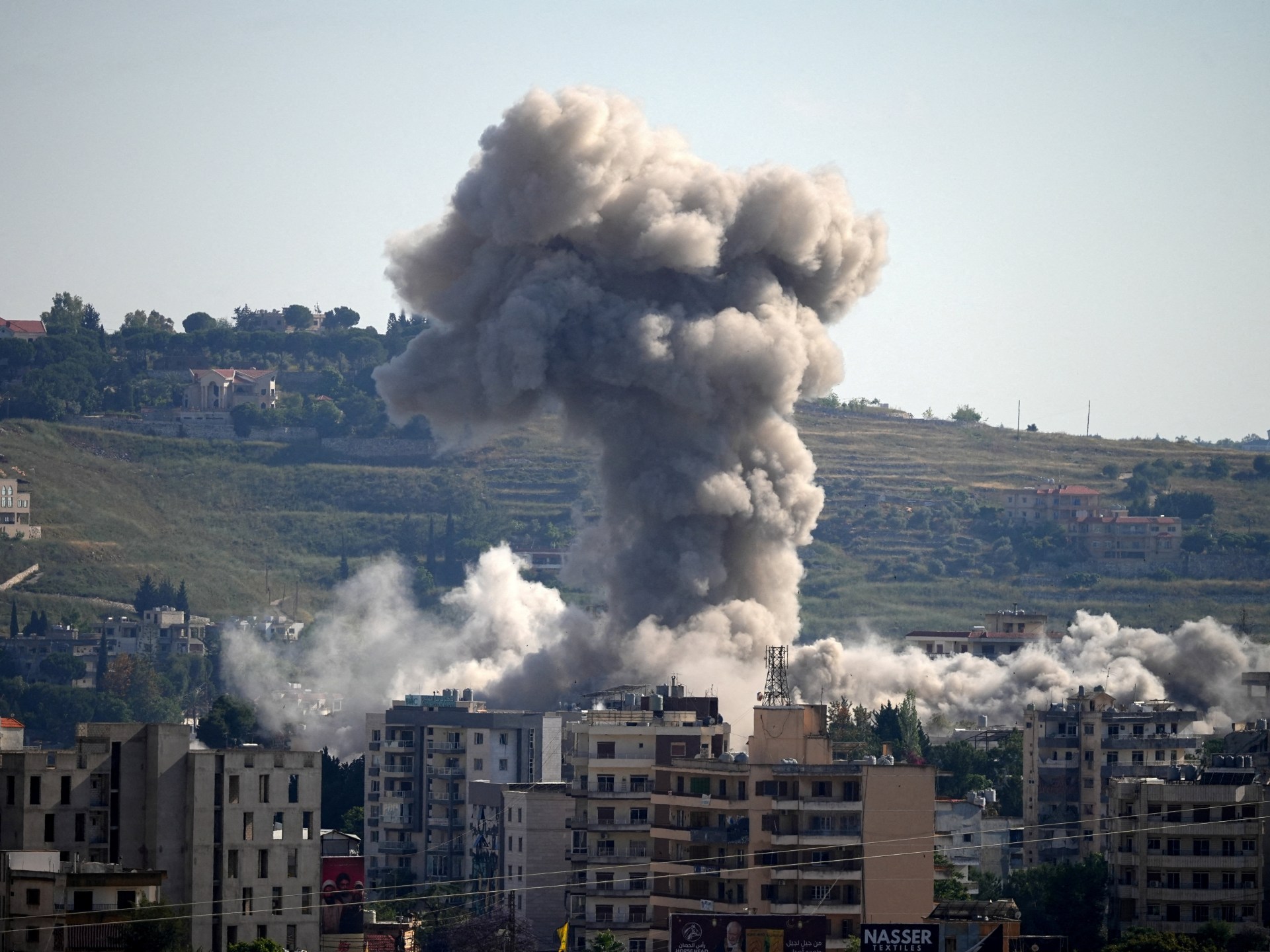
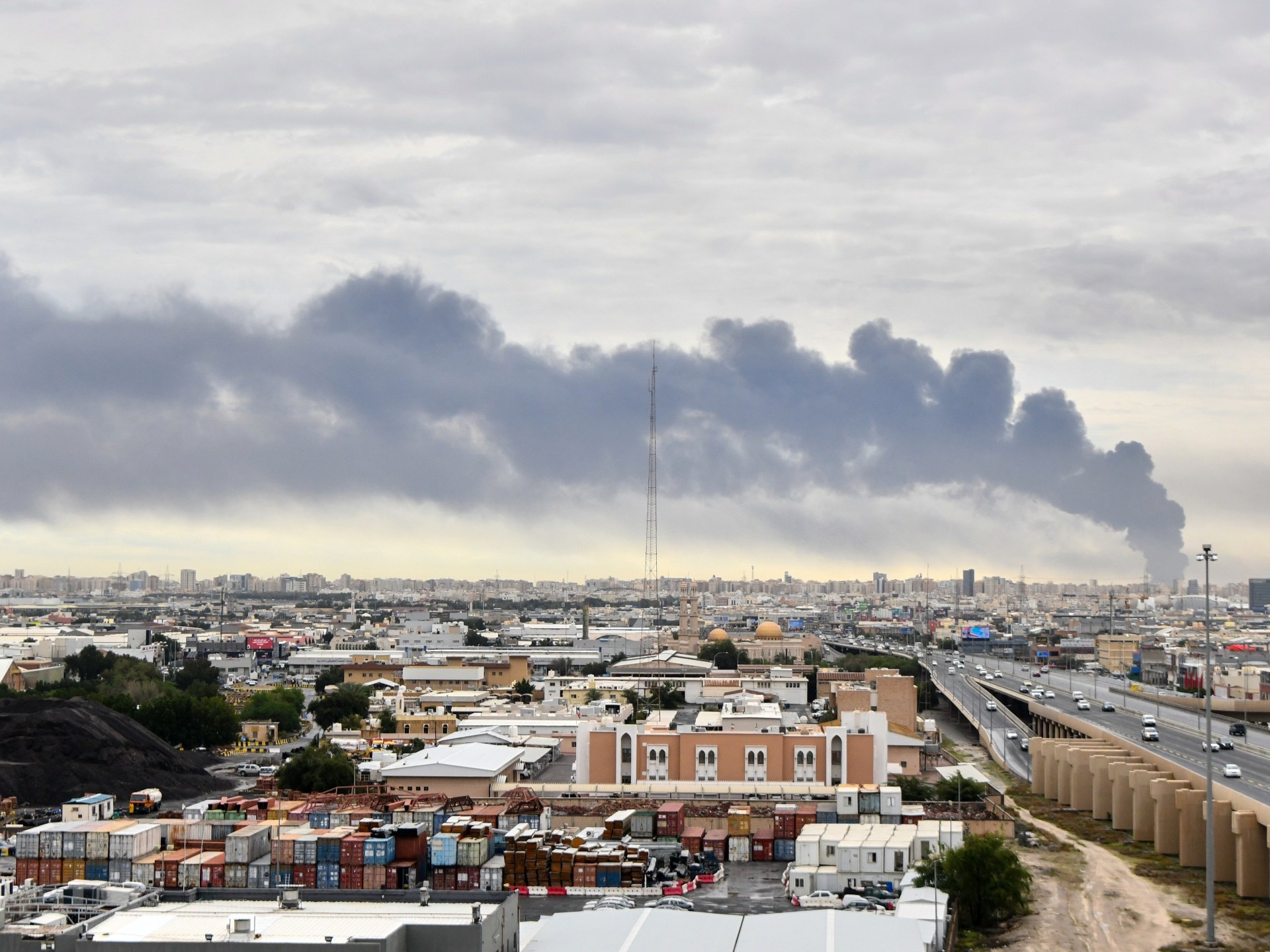
Recent reports indicate a significant escalation in the Middle East, with defense systems in Kuwait, a key host nation for United States military personnel, reportedly engaging incoming aerial threats. The activation of these systems, alongside widespread air raid sirens across the country, underscores a period of heightened alert and concern regarding regional stability.
Kuwaiti Defenses Intercept Threats
According to official statements from Kuwaiti authorities, the nation's defense apparatus successfully intercepted a series of missiles and drones. This defensive action occurred amidst a backdrop of escalating tensions in the broader Middle Eastern landscape. The precise origin or intended targets of these projectiles have not been immediately confirmed, though the incident has prompted a swift response from Kuwaiti security forces and a collective raising of alert levels.
Widespread Sirens and Public Alert
The interception event was accompanied by the activation of air raid sirens in various locations throughout Kuwait. This measure is typically employed to alert the populace to potential aerial threats and to guide them to take appropriate shelter. The widespread nature of these warnings suggests a significant and credible threat was perceived by defense authorities, necessitating a broad public safety response.
US Presence in Kuwait
Kuwait plays a critical role in regional security as it hosts a substantial contingent of US forces. These forces are part of broader American military operations and partnerships in the Middle East, aimed at maintaining stability and counteracting various threats. The presence of US troops often places host nations at the center of regional geopolitical dynamics, particularly during periods of increased friction between various state and non-state actors.
Implications for Regional Stability
This incident is likely to be viewed in the context of ongoing complex geopolitical dynamics in the Middle East, a region frequently characterized by intricate alliances and rivalries. Any actions perceived as aggressive, or even defensive responses to perceived threats, can have cascading effects on the delicate balance of power. International observers will be closely monitoring developments for further information regarding the nature of the intercepted threats and the potential for de-escalation or further intensification of regional tensions.
Call for Calm and Diplomacy
In light of these developments, there is an implicit call from the international community for all parties involved to exercise restraint and prioritize diplomatic solutions. The potential for miscalculation or unintended escalation remains a significant concern in such volatile environments. Ensuring open lines of communication and adherence to international norms are crucial for preventing a broader conflict.
Source: Original Article