Regional Dynamics and International Concerns
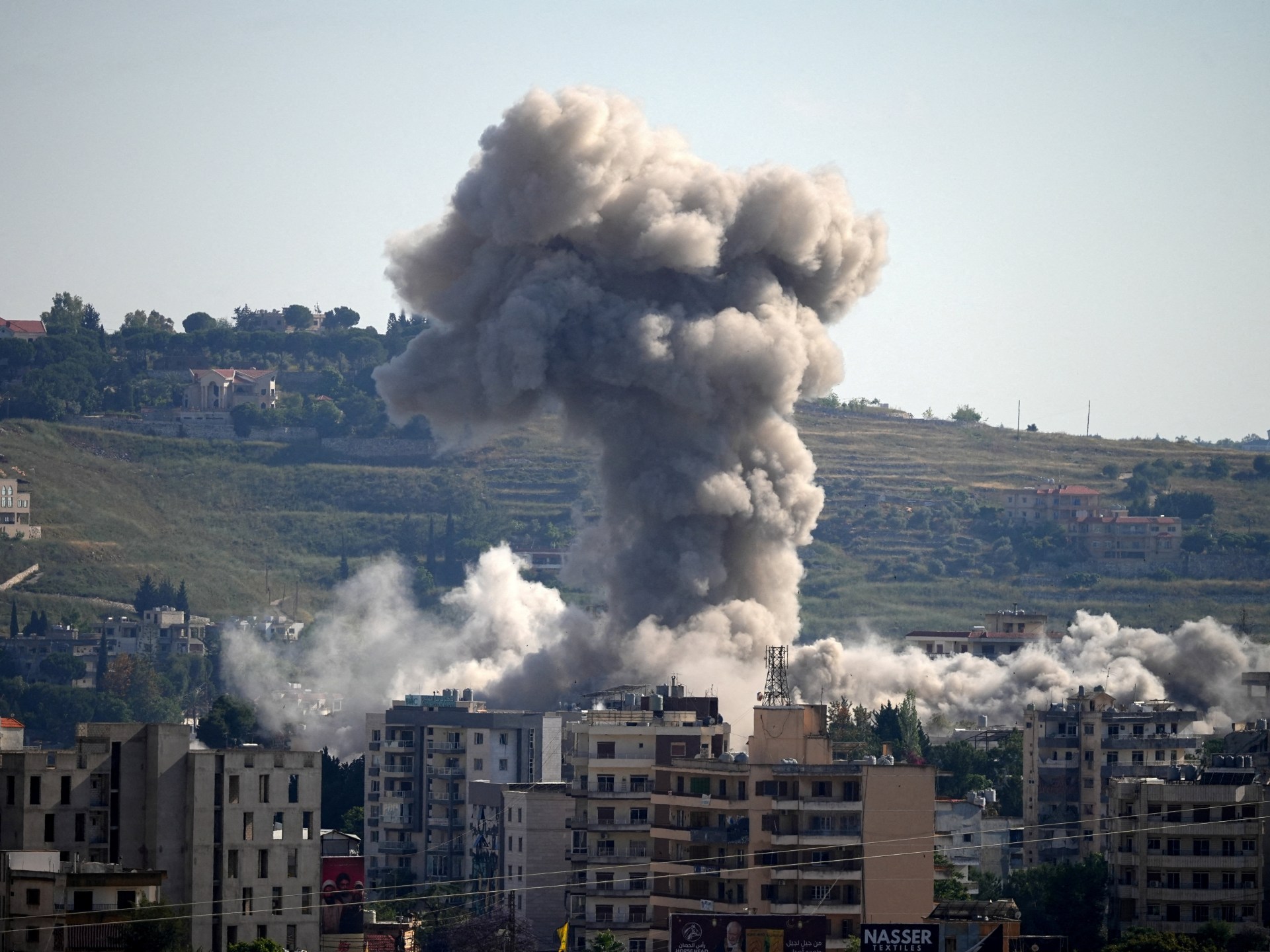
The geopolitical landscape of the Middle East remains volatile, characterized by ongoing conflicts and complex diplomatic challenges. Recent statements from key regional actors and international powers underscore the fragility of peace in an already strained environment. The Lebanese Prime Minister has voiced strong condemnation of recent Israeli military operations, describing them as a form of collective punishment against the Lebanese populace. This accusation highlights deep-seated grievances and the humanitarian impact of the prolonged hostilities.
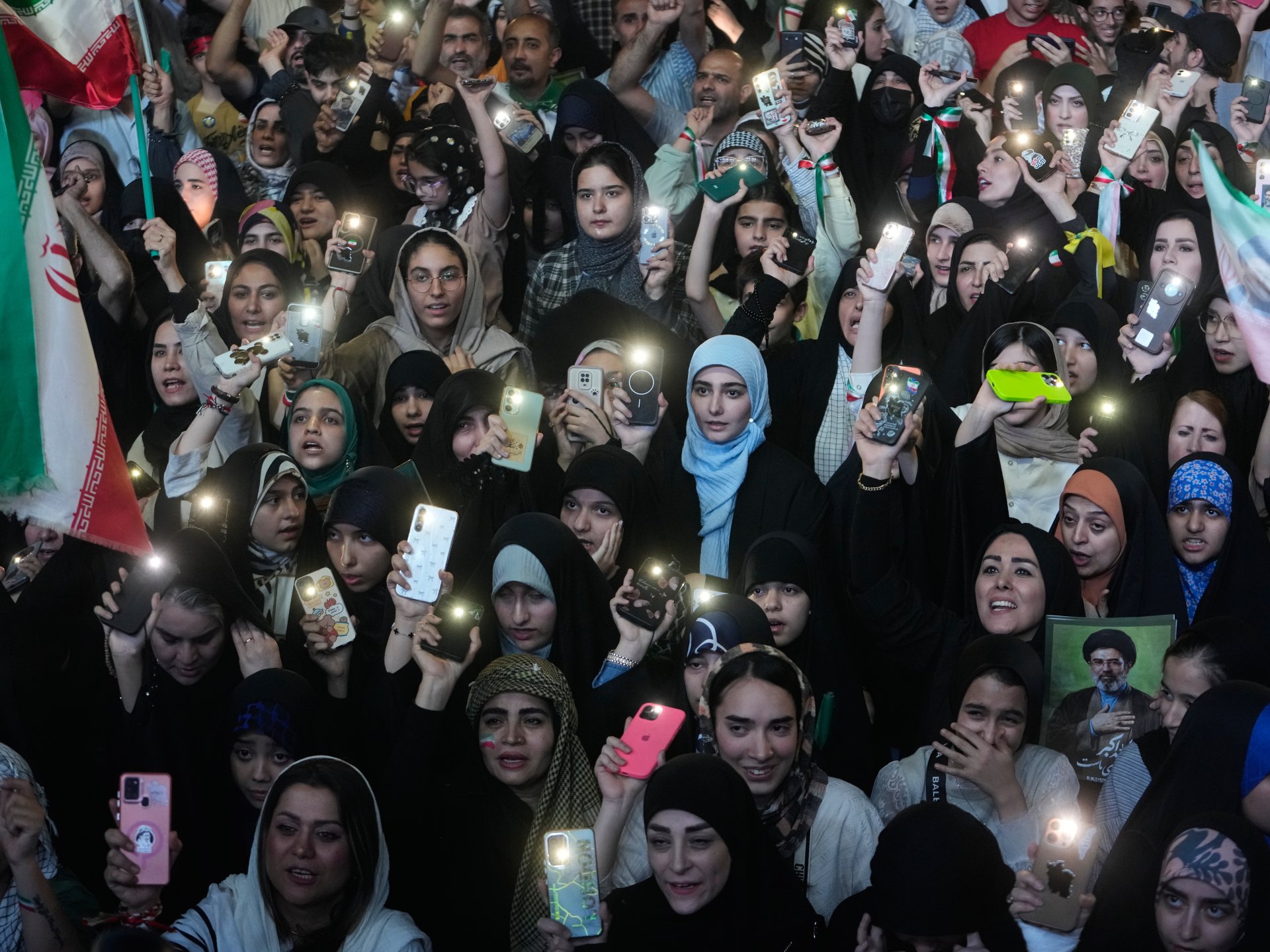
Simultaneously, the United States has issued a significant warning to Iran, indicating a potential for military strikes if a comprehensive agreement is not reached. This development places the delicate negotiations between Washington and Tehran in a precarious position, with the specter of further escalation looming large. The international community watches closely as these intertwined crises unfold, recognizing the potential for widespread destabilization.
Lebanon's Denunciation of Israeli Actions
Lebanese leadership has been vocal in its criticism of Israel's military strategy, particularly its impact on civilian areas. The Prime Minister's characterization of these actions as 'collective punishment' suggests a deliberate targeting or disproportionate response affecting the general population, a claim that often draws international scrutiny under humanitarian law. Such accusations frequently arise in conflict zones where civilian infrastructure and non-combatants bear the brunt of military operations.
The Lebanese government has consistently called for an end to what it perceives as aggressive and unjustifiable actions, advocating for greater international intervention to protect its sovereignty and its citizens. These appeals are often amplified by reports from human rights organizations detailing the destruction and displacement caused by the ongoing conflict.
"The actions witnessed are not merely defensive maneuvers; they are, in essence, a scorched-earth policy inflicting collective punishment upon our people, our infrastructure, and our future," stated a representative from the Lebanese government, emphasizing the severity of the situation.
US-Iran Deal in Jeopardy
The diplomatic efforts to de-escalate tensions between the United States and Iran appear to be at a critical juncture. The recent warning from Washington regarding potential military action if a deal is not finalized underscores the urgency and high stakes involved in these negotiations. For months, international mediators have been working to bridge the divide between the two nations, primarily focusing on Iran's nuclear program and regional influence.
The possibility of US military intervention, if materialized, would represent a significant escalation, potentially drawing other regional and global powers into the conflict. Both sides face immense pressure to find a diplomatic resolution, though fundamental disagreements continue to hinder progress. The international community, including European allies, has consistently advocated for a peaceful resolution, fearing the broader implications of a military confrontation in the Persian Gulf.
Wider Regional Implications
The ongoing tensions between Israel and Lebanon, coupled with the US-Iran standoff, create a complex web of interconnected challenges across the Middle East. The instability in one area often has ripple effects, influencing security, economic stability, and political dynamics in neighboring countries. Proxy conflicts, arms proliferation, and humanitarian crises are common consequences of prolonged regional strife.
International organizations and diplomatic bodies are working to mitigate these risks, but the path to lasting peace remains fraught with obstacles. The interplay of historical grievances, national interests, and external influences continues to shape the trajectory of events in this strategically vital region.
Source: Al Jazeera