Regional Dynamics Intensify
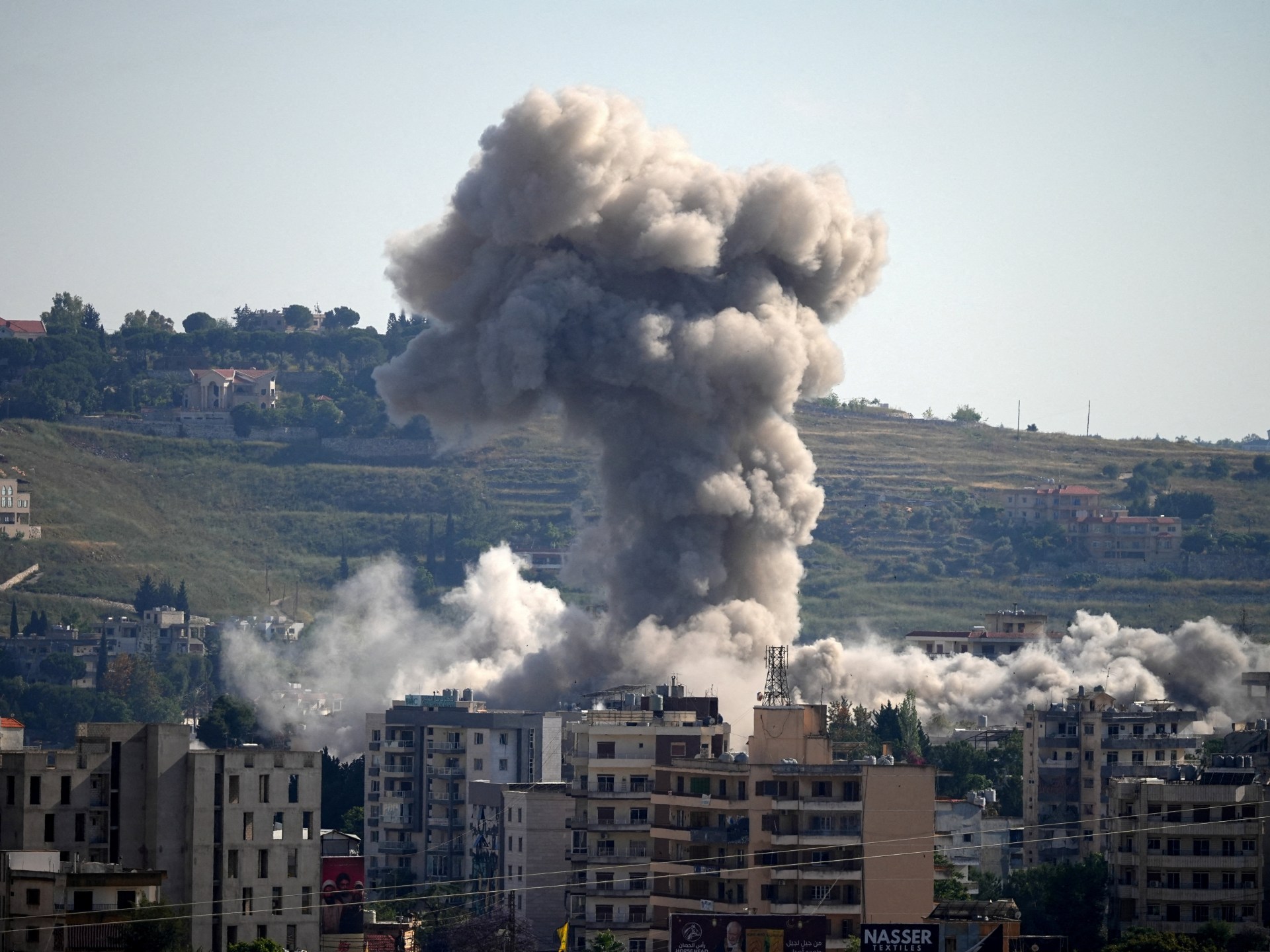
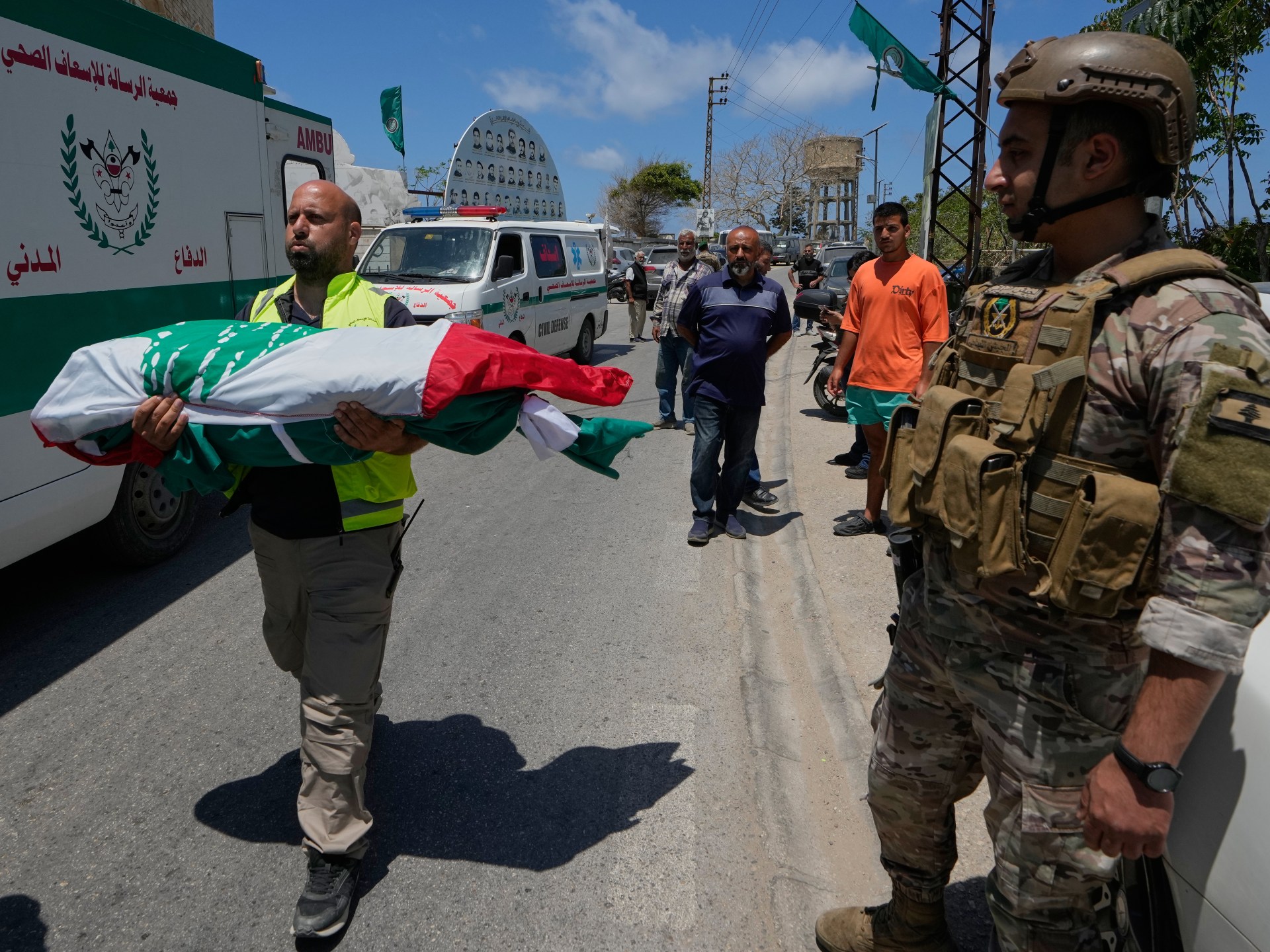
The geopolitical landscape of the Middle East is currently marked by a series of significant events, signaling a potential intensification of regional tensions. In a notable development, Israeli forces have reportedly advanced further into southern Lebanon, prompting the issuance of multiple displacement orders for communities within the area.
Displacement Orders in Southern Lebanon
Reports indicate that Israel has issued two distinct rounds of forced displacement orders targeting towns situated in southern Lebanon. This action comes as Israeli military operations deepen within Lebanese territory. The precise number of individuals affected by these orders and the specific towns targeted have not been fully detailed, but such directives typically lead to significant humanitarian concerns and population movements. The move suggests an escalation in military activities along the Israel-Lebanon border, a region historically prone to conflict.
Forced displacement, particularly in conflict zones, often results in a complex array of challenges, including the provision of shelter, food, and medical aid for those uprooted from their homes. International bodies and humanitarian organizations typically monitor such situations closely, often appealing for the protection of civilians and adherence to international humanitarian law.
Diplomatic Standoff and Economic Sanctions
In a separate but related development contributing to regional instability, an adviser to Iran's Supreme Leader has reportedly attributed the stalled progress on a nuclear deal to a United States blockade. This statement underscores the ongoing diplomatic impasse between Tehran and Washington, which has significant implications for international relations and regional stability.
The adviser's comments suggest that economic sanctions imposed by the US are perceived by Iran as a primary impediment to reaching a resolution regarding its nuclear program. This perspective highlights the deep-seated disagreements and lack of trust that continue to characterize relations between the two nations.
The nuclear deal, officially known as the Joint Comprehensive Plan of Action (JCPOA), has been a contentious issue for years. Its future remains uncertain, with various stakeholders holding differing views on its viability and the path forward. Iran has consistently called for the lifting of sanctions, viewing them as a violation of international agreements, while the US and its allies have expressed concerns about Iran's nuclear ambitions and regional activities.
Broader Implications for the Region
These concurrent developments — military actions leading to displacement in Lebanon and diplomatic deadlock over Iran's nuclear program — collectively paint a picture of heightened volatility in the Middle East. The interconnectedness of regional issues means that actions in one area can have ripple effects across the entire geopolitical landscape. The international community often watches these situations closely, advocating for de-escalation, diplomatic solutions, and the protection of civilian populations.
The current climate necessitates careful diplomatic engagement and a renewed focus on conflict resolution mechanisms to prevent further destabilization and humanitarian crises. The path forward for both the Israel-Lebanon border tensions and the Iran nuclear deal remains complex, requiring sustained efforts from all parties involved to find peaceful and lasting solutions.
Source: Al Jazeera