A New Dawn for Mauritanian Tourism
Mauritania, a nation characterized by its vast desert landscapes and rich cultural tapestry at the intersection of North and West Africa, is embarking on an ambitious journey to revive its tourism industry. Following a period marked by armed attacks that severely impacted visitor numbers, the country is now showcasing its unique attractions and a renewed commitment to safety, aiming to reclaim its position as an appealing destination for international travelers.
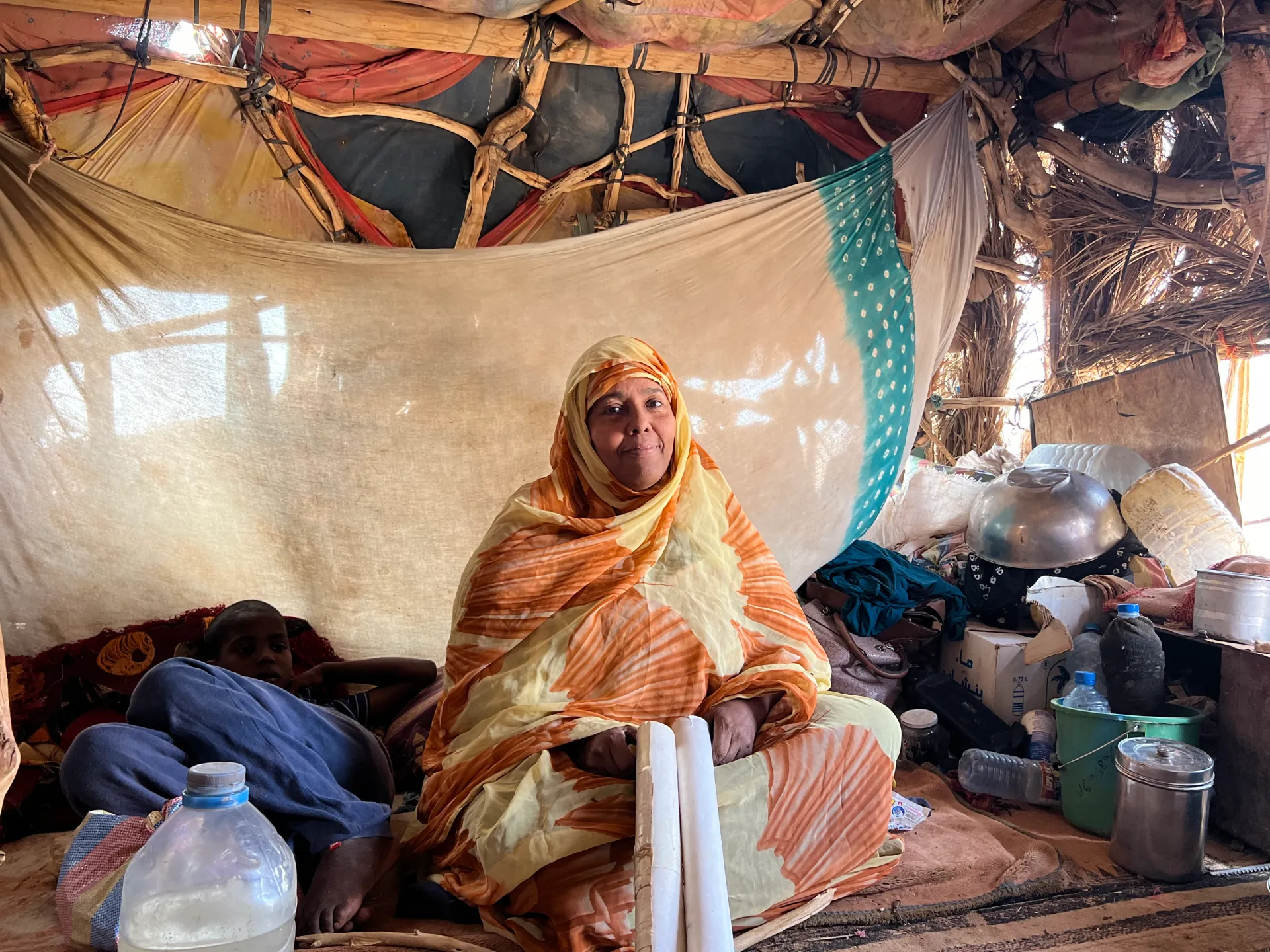
For individuals like Fatima Cheikh Mohammad Bouya, a 49-year-old custodian of the extraordinary Richat Structure, also known as the 'Eye of Africa,' the prospect of returning tourists represents a vital lifeline. From her traditional thatch-roof tent, Bouya eagerly anticipates the arrival of guests, hoping to share the wonders of her ancestral land. The Richat Structure, a colossal circular geological formation spanning approximately 40 kilometers (25 miles) in diameter, is a marvel best appreciated from above, its concentric rings creating the illusion of a giant eye embedded in the Earth. Located within the rugged terrain of Mauritania’s Adrar Plateau, on the western edge of the Sahara, this site holds a mystical allure, with some legends even linking it to the fabled lost city of Atlantis. Bouya and hundreds of other locals depend on these adventurers, offering them local handicrafts, overnight stays in desert camps, and authentic Mauritanian hospitality.
From Golden Age to Decline: The Impact of Insecurity
The early to mid-2000s represented a 'golden age' for Mauritanian tourism. The cooler months, particularly from November to February, saw a significant influx of visitors, predominantly from France. Many were drawn by the allure of the Dakar Rally, an iconic off-road motor race that traversed the harsh desert terrain en route to Dakar. However, this promising era was abruptly curtailed by a surge in insecurity. Beginning in the mid-2000s, armed groups, including al-Qaeda in the Islamic Maghreb (AQIM) and the Salafist Group for Preaching and Combat (GSPC), initiated a series of attacks across the country, even reaching the capital, Nouakchott.
A particularly tragic incident occurred on Christmas Eve in 2007, when AQIM fighters murdered four French tourists near the town of Aleg. This act of violence sent shockwaves internationally and significantly deterred tourism. Subsequent attacks, including an attempted assault on the French embassy, further exacerbated the situation. Tourist arrivals plummeted, the Dakar Rally was permanently relocated to the Middle East, and direct charter flights from France to the Adrar region were suspended, effectively isolating Mauritania from its primary tourist market.
A Multi-pronged Approach to Enhanced Security and Revival
In response to the escalating security threats, the Mauritanian government implemented a comprehensive strategy to restore stability. Elite military units were deployed to sensitive border areas, many of which were designated as military zones. Concurrently, authorities engaged with religious leaders to counter extremist narratives, extending these efforts to prisons housing suspected militants. Quranic schools came under closer scrutiny, while pathways to formal education were expanded as a preventative measure.
More recently, the focus has broadened to include poverty reduction initiatives in rural areas. The government has expanded a social register for vulnerable households, providing monthly stipends, and gradually extending essential services such as water, electricity, healthcare, schools, and mobile networks to remote communities. These multifaceted efforts appear to have yielded positive results, with no reported attacks since 2011.
While the collapse of security in neighboring Mali since 2012 has been favorable to Al Qaeda and ISIL (ISIS)-affiliated groups, potentially drawing them away from Mauritania, researcher Baba Adou of the University of Florida cautions that 'border areas near Mali also remain prone to spillover.' Nevertheless, Mauritania's internal security improvements have been a critical factor in its tourism revival.
To promote the country internationally, officials have actively participated in global tourism events and invited foreign tour operators to experience Mauritania firsthand. These efforts, coupled with a significant reduction in visa fees from 120 to 40 euros (approximately $139 to $46), led to a 166 percent increase in tourist arrivals between 2018 and 2019, attracting around 4,000 visitors. Alioune Cheikh, a local travel agency owner, reported approximately 7,000 visitors in the current year alone. While these numbers remain modest compared to previous peaks, tourism has become an increasingly vital income source in a country where roughly one-third of the population lives in poverty.
The Untamed Beauty: Attractions and Challenges
Traveling through Mauritania’s vast, open desert, it is challenging to envision the past dangers that once loomed. The landscape is dominated by shifting dunes, occasionally punctuated by slow-moving camel caravans or herds of goats. Social media has played a role in highlighting Mauritania's rugged appeal, particularly featuring the iconic Iron Ore Train. This 640-kilometer (400-mile) route, running daily between the inland mining town of Zouerat and the Atlantic port of Nouadhibou, attracts adventurous travelers who ride its open freight cars, clinging to cargo wagons as they traverse the desert.
Beyond the train, other sites are drawing visitors, especially in the mountainous Adrar region, a landscape of dramatic canyons and serene oases. The ancient ruins of Ouadane, a fort town that prospered during the Trans-Saharan trade from the eighth to the 17th centuries, offer a glimpse into past civilizations. Visitors like Martha Capa from Belgium express surprise and awe at the country's beauty, though she noted a lack of basic infrastructure, such as guards or ticket offices at historical sites. Mattheo Zuchelli, an Italian travel agency owner, acknowledged Mauritania's allure but suggested that many of his clients would prefer smoother desert roads and more luxurious accommodation, similar to what is found in neighboring Morocco.
Travel expert Sean Connolly, who named Mauritania his 2026 destination of the year for The Times of London, argues that the near-pristine nature of Mauritania’s sites is precisely what makes them distinctive. He highlights the country's nomadic heritage, where a culture of mobility and hospitality meant that strangers were always welcomed and hosted. This traditional 'code of desert hospitality' meant a scarcity of luxury hotels, though this is slowly changing with the recent opening of the first international hotel chain, Sheraton, in Nouakchott.
Back at the Richat Structure, Fatima Bouya continues her vigil. Recalling a time when her father hosted the renowned French explorer Theodore Monod, she reflects on the challenges of attracting tourists in the current climate. While visitor numbers are gradually increasing, the previous system of reliable travel agency coordination has given way to a more unpredictable environment. 'Tourists are like property that we have to fight for now,' she lamya, underscoring the ongoing efforts required to secure a sustainable future for Mauritania's nascent tourism industry.
Source: Original Article
Related Articles
 world
world
Global Water Crisis: Satellite Imagery Reveals Ten Disappearing Freshwater Sources
 world
world
Escalating Tensions: Israeli Actions in Lebanon Jeopardize US-Iran Agreement
 world
world
G7 Leaders Pledge Enhanced Support for Ukraine and Stricter Sanctions on Russia
 world
world