Analysis Highlights Lebanese Army's Operational Challenges
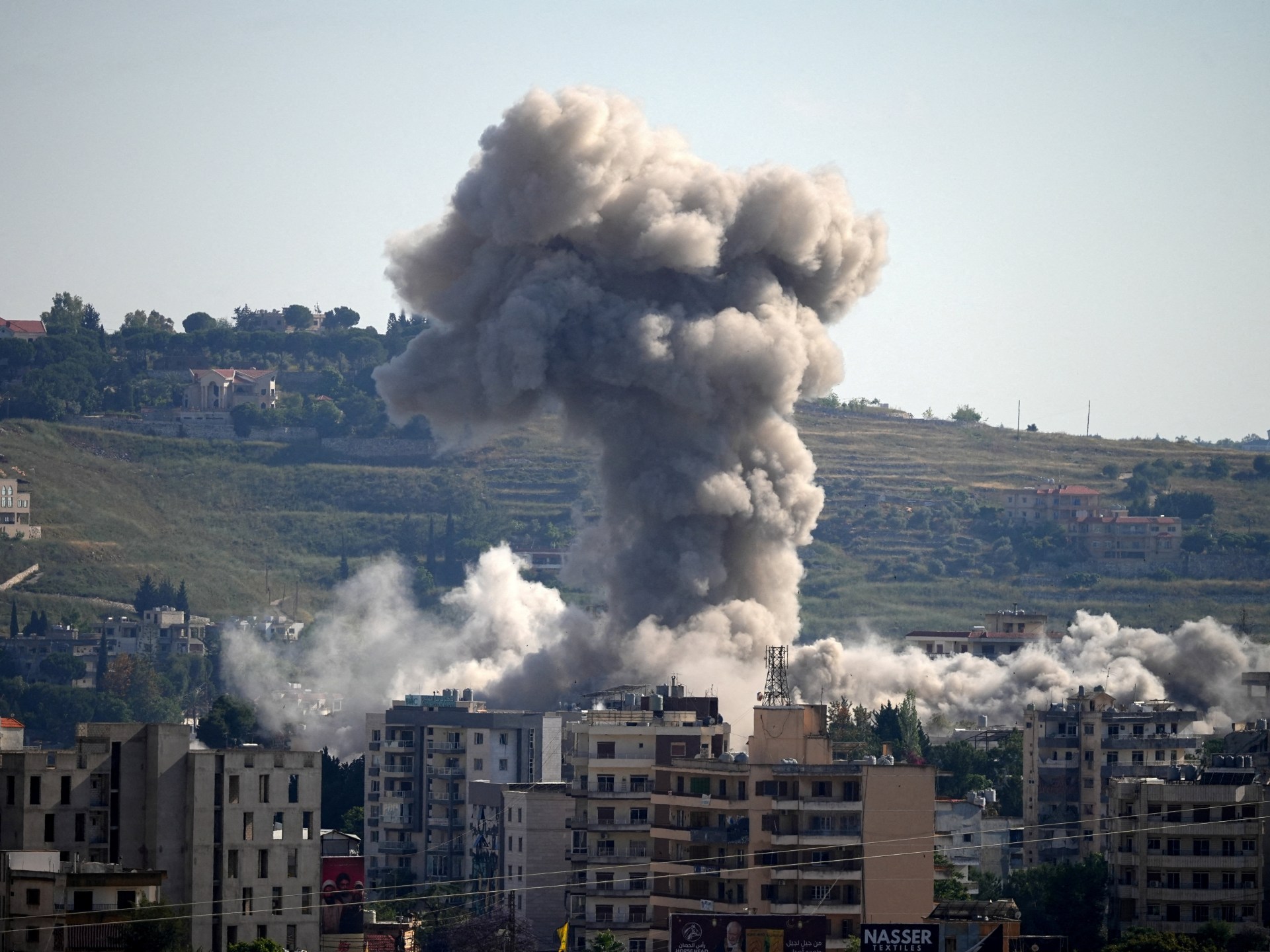
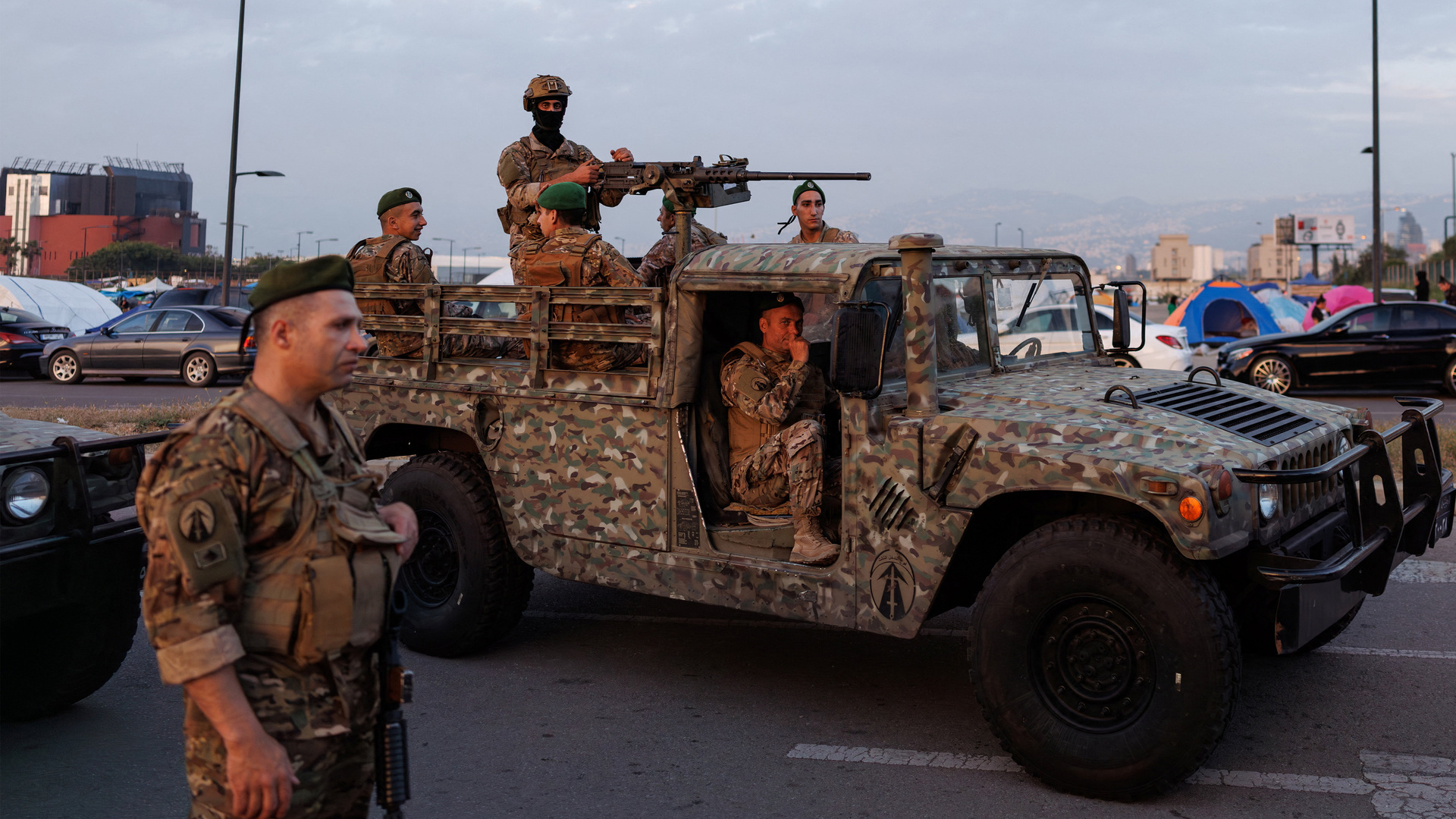
Recent observations from geopolitical analyst Joe Macaron indicate that the Lebanese military is under considerable pressure. Macaron suggests that the army's resources and personnel are 'overly stretched' as Israeli troops reportedly broaden their operational scope.
Geopolitical Context of the Situation
The Middle East region, particularly the border areas between Lebanon and Israel, has historically been a site of complex geopolitical dynamics and intermittent conflict. Understanding the current situation requires acknowledging the long-standing tensions and various actors involved. The Lebanese army, tasked with national defense and maintaining internal stability, operates within a challenging environment characterized by diverse internal political factions and external pressures.
Implications of an 'Overly Stretched' Military
- Resource Allocation: A military described as 'overly stretched' typically faces challenges in allocating sufficient resources—both human and material—across all its operational needs. This can impact readiness, training, and the ability to respond effectively to multiple threats simultaneously.
- Internal Security: Beyond external defense, the Lebanese army plays a crucial role in maintaining internal security, including counter-terrorism efforts and managing civil unrest. A strained military might find it harder to fulfill these dual responsibilities effectively.
- Border Control: The security of Lebanon's borders is paramount. If the army's capabilities are extended, its ability to monitor and control border regions, particularly in the south, could be compromised, potentially leading to increased infiltration or cross-border incidents.
- Morale and Personnel: Constant operational demands without adequate support can affect troop morale and lead to burnout among personnel. This can have long-term implications for recruitment and retention within the armed forces.
The Role of External Factors
The analyst's comments specifically point to the expansion of Israeli troop presence as a contributing factor to the Lebanese army's strain. Such expansions, regardless of their stated intent, often necessitate a heightened state of alert and increased deployment of forces by neighboring countries. This can create a cycle of military buildup and counter-buildup, further exacerbating the strain on national defense budgets and personnel.
“The Lebanese army is ‘overly stretched’ as Israeli troops expand their occupation,” noted geopolitical analyst Joe Macaron.
Challenges for Lebanon's Defense Strategy
Lebanon's defense strategy has historically been complex, balancing national sovereignty with regional dynamics. The country's military capabilities are often discussed in the context of various non-state actors operating within its borders, adding another layer of complexity to the army's mandate. The current economic situation in Lebanon also poses significant challenges, potentially limiting the government's ability to adequately fund and equip its armed forces.
The assessment by Joe Macaron underscores the need for a comprehensive understanding of the pressures facing the Lebanese military. It highlights how regional developments, particularly those involving neighboring countries, can directly impact the operational capacity and strategic planning of national defense forces.
Source: Al Jazeera