
Iran Proposes New Charges for Strait of Hormuz Transit
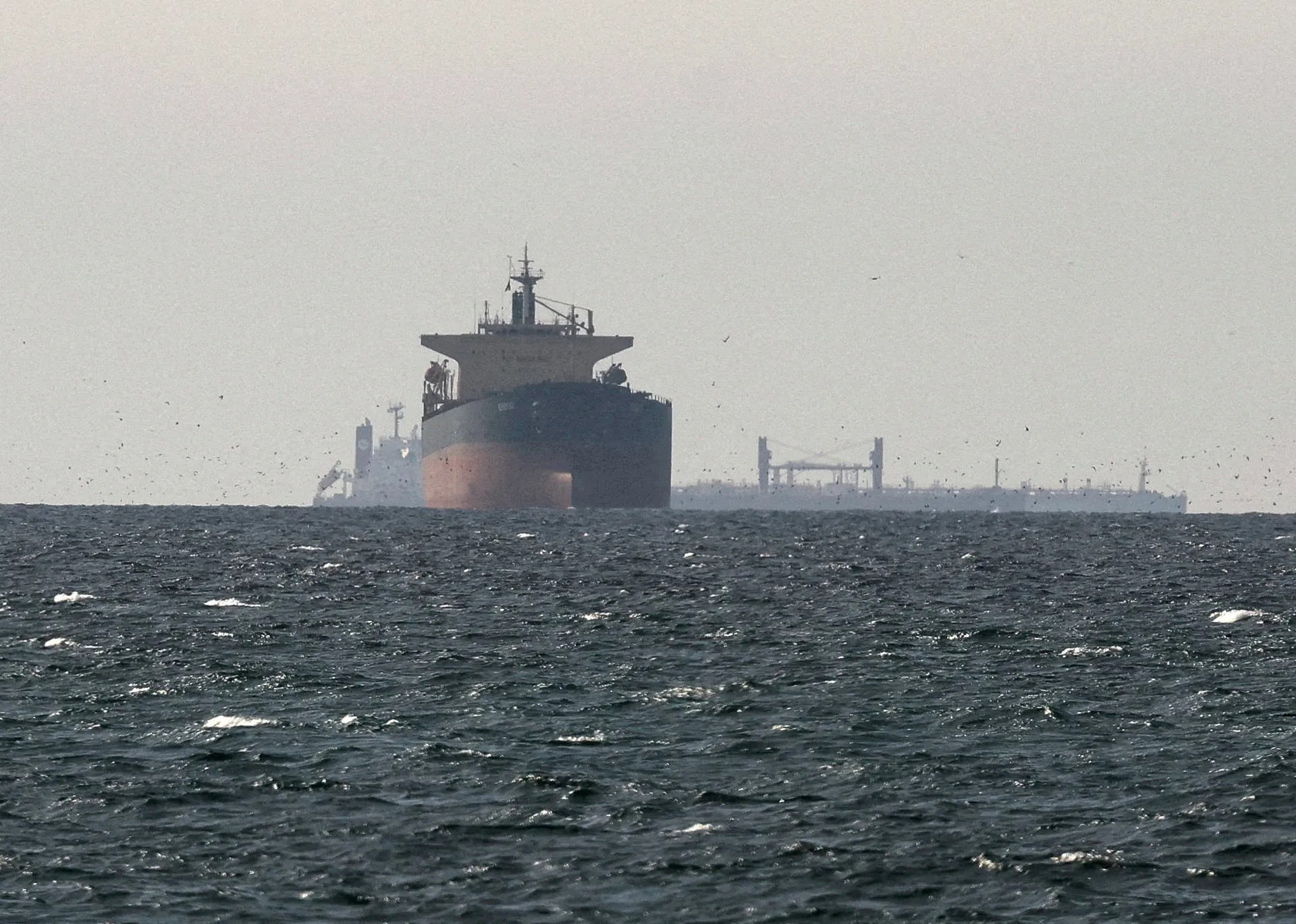
Iran's ambassador to China has indicated that vessels passing through the Strait of Hormuz will soon face new charges, with certain exemptions for China and other allied countries. This announcement comes amid ongoing peace negotiations following recent hostilities involving the United States and Israel.
Last month, Iran and the United States reached an initial agreement to cease hostilities, which included a provision allowing commercial ships to navigate the strait free of charge for 60 days. However, the long-term policies regarding these fees remain under discussion. The United States has stated that Iran should not impose any charges on vessels transiting the strait in any final agreement.
Collaboration with Oman
During a speech at the World Peace Forum in Beijing, Ambassador Abdolreza Rahmani Fazli revealed that Iran is working closely with Oman to develop new management strategies for the strait. "As the Strait of Hormuz falls within our territorial waters, we will undoubtedly implement service fees," Fazli stated, while emphasizing that these would not be considered tolls.
He further explained that the new arrangements would ensure the security of passage, oversight of vessel traffic, and address the environmental impact of the numerous ships passing through the strait. Fazli assured that "special considerations" would be extended to China and other friendly nations in determining the fees.
Strategic Importance of the Strait
The Strait of Hormuz is a critical maritime chokepoint, with approximately 20 percent of the world's oil and liquefied natural gas supplies passing through it during peacetime. The strait was largely closed by Iran during a conflict initiated by the US and Israel in late February, which significantly impacted global energy prices.
In response, the US implemented a naval blockade on Iran's southern ports in April, aiming to curb Iranian oil exports. Ambassador Fazli emphasized the heightened security concerns surrounding the strait due to the recent four-month conflict between the US and Iran.
Iran and Oman, situated on opposite sides of the strait, have formed a joint committee to oversee the strategic waterway's management and ensure its security and stability. This partnership aims to address the challenges posed by the large volume of maritime traffic and the potential environmental consequences.
Source: Original Article
Related Articles
 world
world
Lebanese President Appeals to US for Continued Support Amidst Regional Tensions
 world
world
Iranians Brave Extreme Heat for Second Day of Supreme Leader's Funeral Rites
 world
world
Shifting Global Dynamics: The End of Unrivalled US Dominance
 world
world