Overview of Capital Punishment Trends
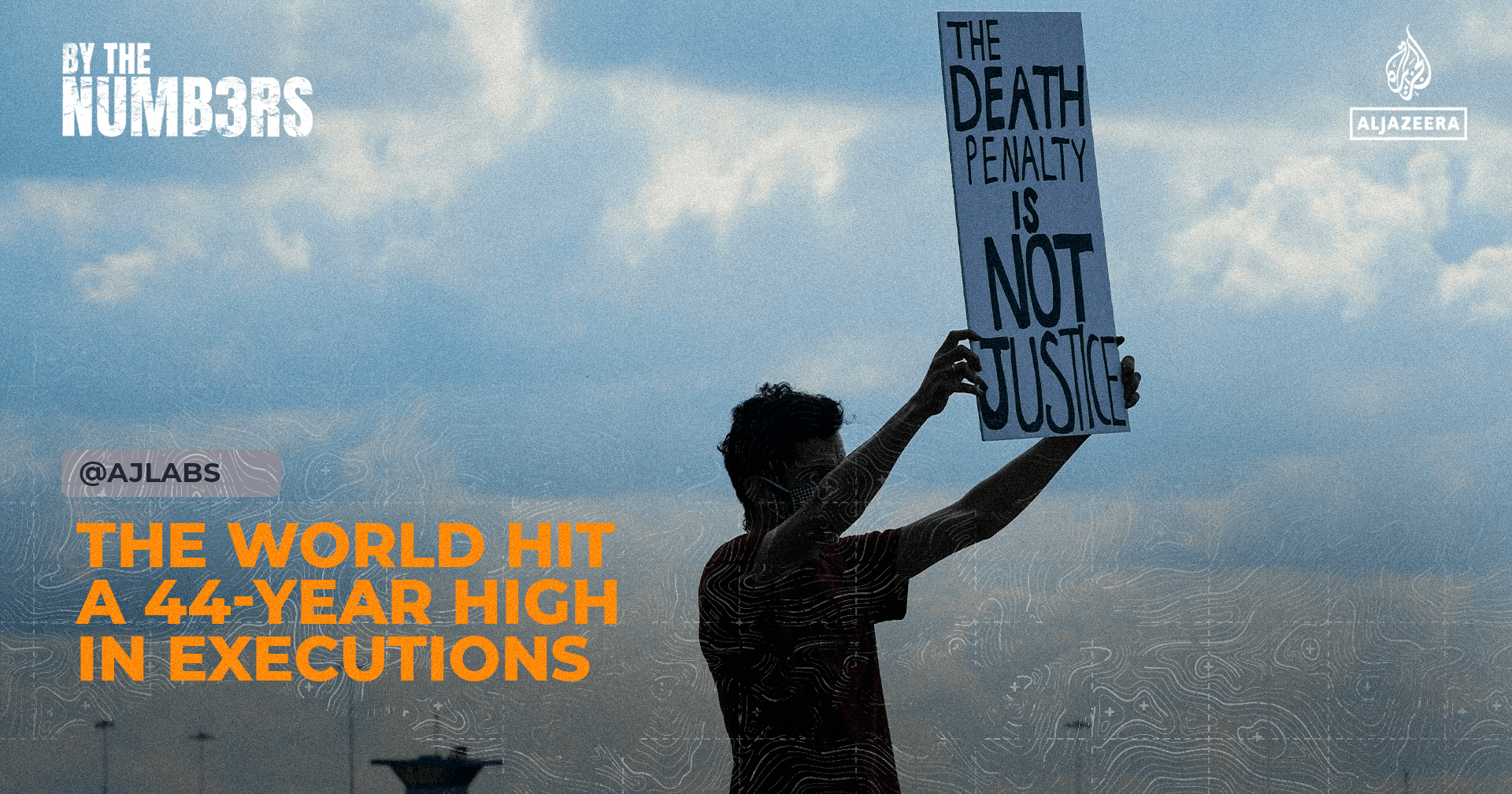
The year 2025 witnessed a notable increase in the application of capital punishment globally, reaching a level not observed in 44 years. This surge in executions by various governments marks a significant shift in the landscape of judicial systems and human rights discussions.
Historical Context of Executions
To understand the gravity of the 2025 figures, it's important to look back at historical trends. The year 1981 serves as a benchmark, indicating that the current rate of executions has surpassed all intervening years. This suggests a potential reversal or stagnation in the global movement towards the abolition or reduction of the death penalty, a movement that gained considerable momentum in the latter half of the 20th century.
Historically, the use of capital punishment has fluctuated based on geopolitical events, domestic legal reforms, and international pressure. While many nations have either abolished the death penalty or implemented de facto moratoriums, a number of countries continue to utilize it for a range of offenses. The recent increase could be attributed to various factors, including heightened security concerns, changes in legal frameworks, or shifts in judicial practices within specific states.
Key Regions and Contributing Factors
While the provided information is concise, a global increase implies that multiple regions or a few highly populous nations with active capital punishment systems have contributed significantly to this rise. Understanding which countries or blocs are primarily responsible for this uptick is crucial for a comprehensive analysis.
- Some analyses often point to countries with large populations and established capital punishment laws as major contributors to global execution figures.
- Factors such as the types of crimes punishable by death, the speed of judicial processes, and the transparency of legal systems can all influence the number of executions.
- Political climates and public opinion within a country can also play a significant role in the enforcement of capital punishment.
Implications for Human Rights and International Law
The spike in executions in 2025 will undoubtedly reignite debates among human rights organizations, international legal bodies, and advocacy groups. These organizations often highlight concerns regarding due process, the potential for wrongful convictions, and the ethical implications of state-sanctioned killing.
Human rights advocates frequently argue that capital punishment constitutes cruel, inhuman, and degrading treatment, violating fundamental international human rights standards. The recent figures may intensify calls for greater transparency and adherence to international fair trial standards in countries that continue to carry out executions.
The international community, including organizations like the United Nations, often monitors trends in capital punishment and encourages states to move towards its abolition. A significant increase in executions could present challenges to these ongoing efforts and potentially strain diplomatic relations between abolitionist and retentionist states.
Looking Ahead
The data from 2025 serves as a critical indicator of the current state of capital punishment worldwide. Further detailed reports, often compiled by human rights organizations, will likely provide more granular data on the specific countries responsible for this increase, the methods of execution used, and the types of crimes for which individuals were executed. This information will be vital for understanding the underlying causes and for formulating effective strategies to address the concerns raised by this trend.
Source: Al Jazeera