Global Displacement Figures Soar to Unprecedented Levels
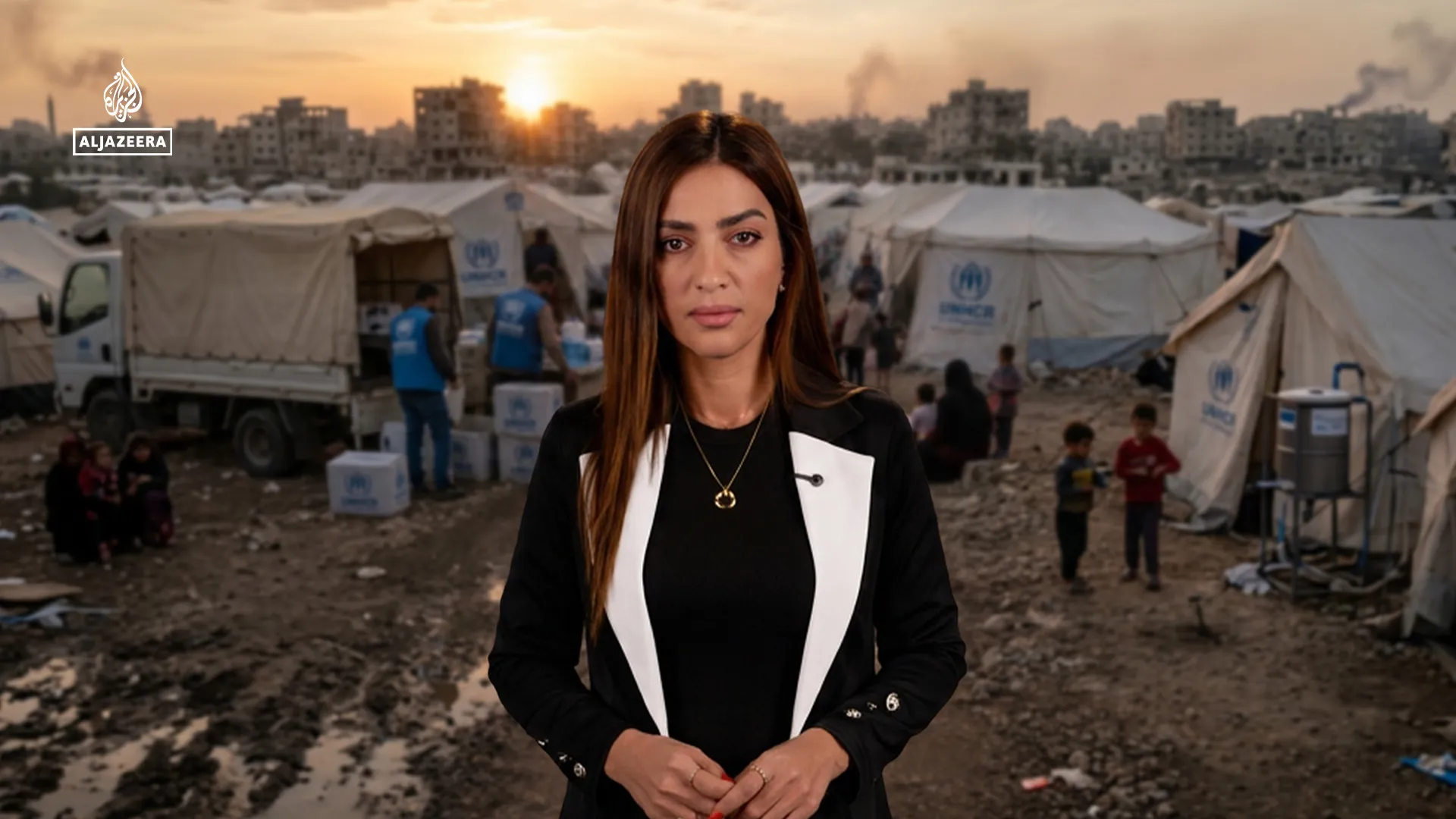
The United Nations High Commissioner for Refugees (UNHCR) has released a comprehensive report highlighting a significant and concerning increase in the number of individuals forcibly displaced across the globe. By the end of 2025, the total figure reached an alarming 117.8 million people, marking a new record in global displacement history. This substantial rise is primarily attributed to a confluence of factors including ongoing conflicts, widespread violence, and various forms of persecution that compel individuals to flee their homes in search of safety and stability.
The report underscores the multifaceted nature of displacement, which encompasses refugees, asylum-seekers, internally displaced persons (IDPs), and others who have been compelled to leave their places of origin. The sheer scale of these numbers presents a profound humanitarian challenge, demanding urgent and coordinated international responses to address the root causes of displacement and provide adequate support to those affected.
Drivers of Displacement: Conflict, Violence, and Persecution
A detailed analysis within the UNHCR report points to several critical drivers behind this escalating crisis. Protracted armed conflicts in various regions continue to be a primary catalyst, tearing communities apart and rendering vast areas uninhabitable. The devastating impacts of war extend beyond direct casualties, creating environments of insecurity, destroying infrastructure, and disrupting essential services, thereby forcing millions to abandon their livelihoods and seek refuge elsewhere.
In addition to overt warfare, pervasive violence, often manifesting as inter-communal clashes, gang-related activity, or state-sponsored repression, also plays a significant role in driving displacement. Such violence erodes social cohesion and instills fear, leaving individuals with little choice but to escape their immediate surroundings. Furthermore, persecution based on ethnicity, religion, political affiliation, or other characteristics remains a powerful force compelling people to seek asylum in other countries or safer regions within their own borders.
The Situation in Lebanon: Over One Million Internally Displaced
Among the nations significantly impacted by this global crisis is Lebanon, which, despite its relatively small size, is grappling with a substantial internally displaced population. The UNHCR report indicates that Lebanon is currently hosting more than one million internally displaced people (IDPs). This figure is particularly striking given the country's existing socio-economic challenges and its role as a host nation for a large number of refugees from neighboring conflicts.
The presence of such a large IDP population places immense strain on Lebanon's resources, including housing, healthcare, education, and employment opportunities. The humanitarian response within Lebanon is complex, requiring continuous efforts from governmental bodies, international organizations, and local NGOs to provide essential services and support to those who have been uprooted from their homes. The situation in Lebanon serves as a poignant example of how regional instability and conflict can ripple outwards, creating significant internal displacement even in countries not directly embroiled in the primary conflict.
Global Implications and the Call for International Action
The record-breaking figures presented in the UNHCR report highlight a critical humanitarian challenge that transcends national borders. The displacement crisis has far-reaching global implications, affecting not only the displaced individuals themselves but also host communities and international relations. The strain on resources in host countries, the potential for social tensions, and the long-term impacts on development and stability are significant concerns.
The report implicitly calls for enhanced international cooperation and a renewed commitment to addressing the root causes of displacement. This includes diplomatic efforts to resolve conflicts, initiatives to promote peace and stability, and comprehensive strategies to protect human rights and prevent persecution. Furthermore, there is an urgent need for increased humanitarian funding and equitable burden-sharing among nations to ensure that displaced populations receive adequate protection, assistance, and opportunities for durable solutions, whether through voluntary return, local integration, or resettlement.
Understanding the scale and complexity of global displacement is the first step towards formulating effective and compassionate responses. The 117.8 million individuals displaced worldwide by the end of 2025 represent not just statistics, but millions of lives disrupted, each with a story of loss, resilience, and hope for a better future.
Source: Original Article
Related Articles
 world
world
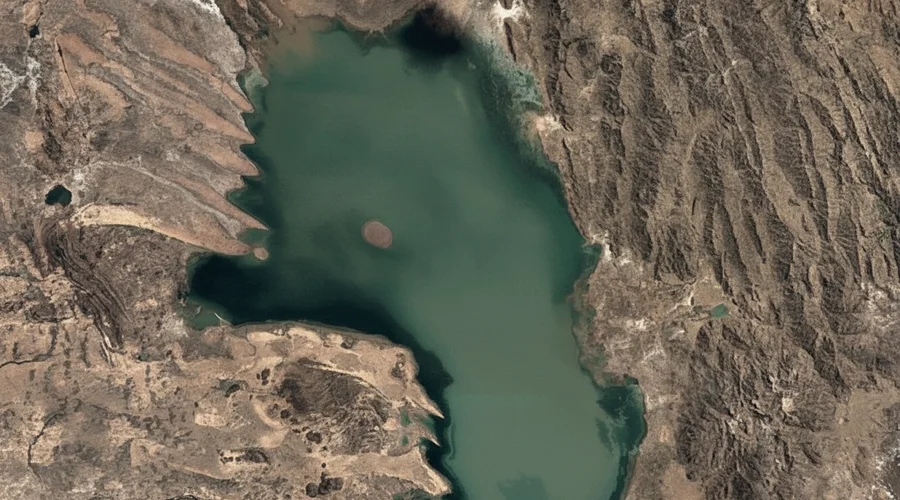
Global Water Crisis: Satellite Imagery Reveals Ten Disappearing Freshwater Sources
 world
world
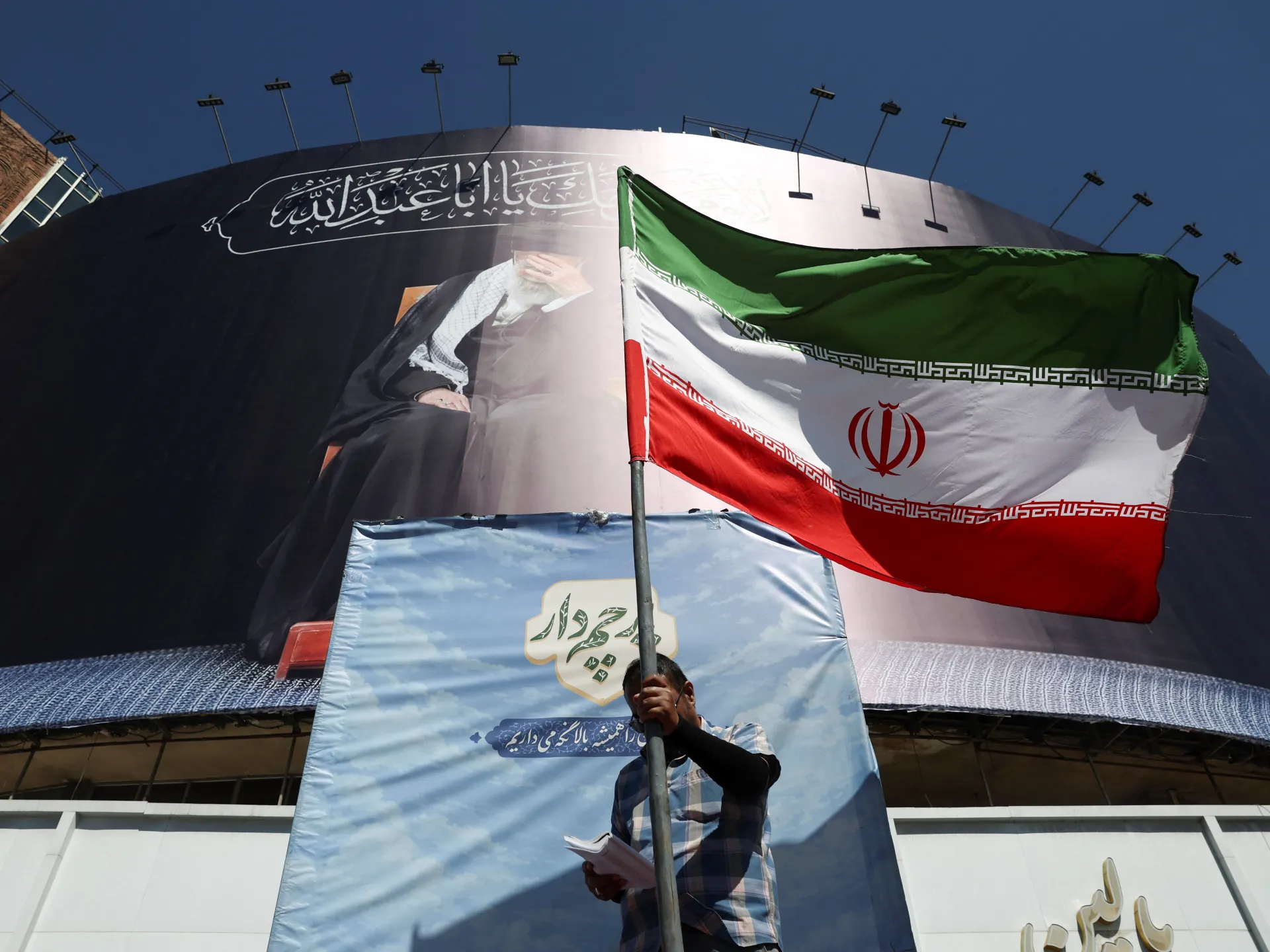
Escalating Tensions: Israeli Actions in Lebanon Jeopardize US-Iran Agreement
 world
world
G7 Leaders Pledge Enhanced Support for Ukraine and Stricter Sanctions on Russia
 world
world