
G7 Summit Addresses Iran Deal and Ukraine Conflict
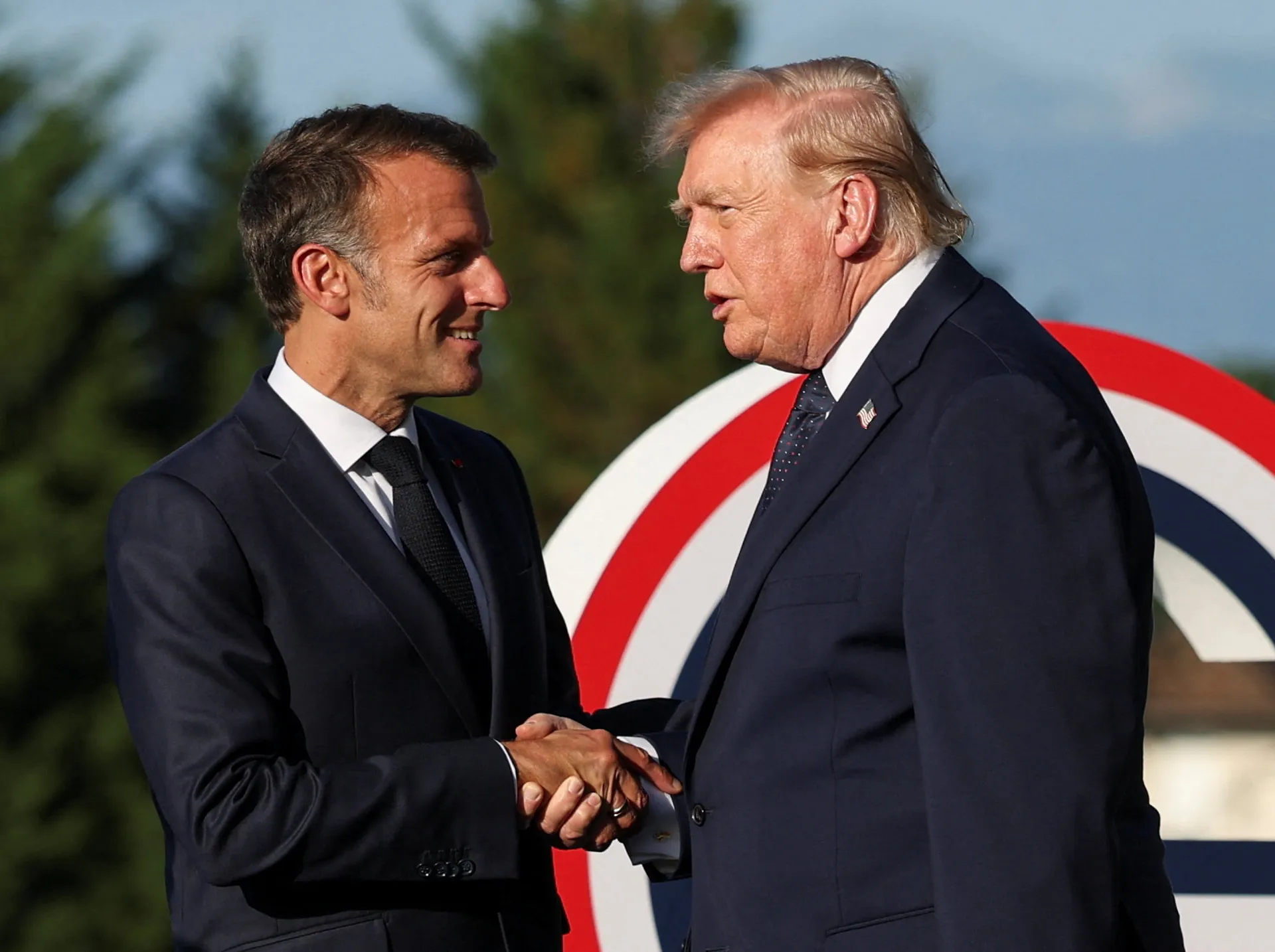
The leaders of the Group of Seven (G7) nations have convened in Evian-les-Bains, France, for a summit expected to center on two critical international matters: the preliminary agreement regarding Iran's nuclear program and the persistent conflict in Ukraine. French President Emmanuel Macron, the host of this high-profile gathering, emphasized the necessity of finalizing a robust and serious agreement with Iran, particularly concerning the Strait of Hormuz.
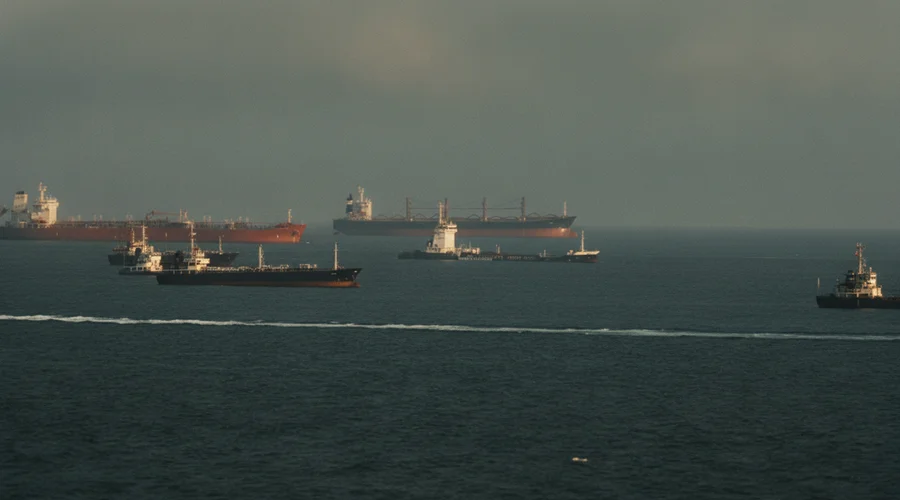
President Macron indicated that a key agenda point for Tuesday's working lunch would be strategies to reopen the Strait of Hormuz, a vital maritime passage. Discussions included the potential for a Franco-British-led naval mission and the exploration of alternative energy routes to bypass the strait. US President Donald Trump, who arrived in France following the preliminary agreement with Tehran, expressed optimism regarding the Strait of Hormuz, stating it would be "completely open" by Friday, coinciding with the formal signing of the agreement in Geneva.
The agreement, digitally signed on Monday, initiates a 60-day period for intricate negotiations. These talks are anticipated to cover sensitive issues such as Iran's highly enriched uranium and the potential lifting of international sanctions. The G7, comprising the United States, France, the United Kingdom, Canada, Germany, Italy, Japan, and the European Union, serves as a crucial platform for these discussions.
In addition to the G7 members, leaders from the United Arab Emirates, Qatar, and Egypt are participating in Tuesday's discussions. However, diplomatic sources suggest their involvement will not extend to detailed deliberations on Iran's nuclear program. President Trump, arriving in France, conveyed his positive outlook on the preliminary deal, asserting, "The Iran deal will bring a lot of success."
Prior to the summit, a joint statement was issued by the leaders of France, Germany, Italy, and the UK, later joined by Canada, congratulating the US, the Iranian government, and the mediators on what they termed a "diplomatic breakthrough." This statement underscored the importance of swift implementation of the deal and detailed negotiations to facilitate the reopening of the Strait of Hormuz for tanker traffic. President Macron further affirmed France and its Western allies' readiness to act promptly to peacefully restore maritime security in the strait, echoing the UK's similar commitment to a mission aimed at achieving this objective.
Focus on "Building Peace in Ukraine"
Beyond the Iran deal, European leaders have signaled that the G7 summit would also be a critical opportunity to influence President Trump's perspective on the Russia-Ukraine conflict. There is a desire to convey that previous US proposals to resolve the war have been perceived as overly favorable to Moscow.
Ukrainian President Volodymyr Zelenskyy is scheduled to participate in the initial session on Tuesday, which is dedicated to the theme of "building peace in Ukraine." There is also a possibility of a separate meeting between President Zelenskyy and President Trump. On Monday, President Zelenskyy extended an offer to meet with Russian President Vladimir Putin at the G7 summit. This offer follows a similar proposal made earlier in the month in an open letter, which President Putin reportedly rejected, citing a lack of purpose in a meeting without a pre-prepared agreement.
European Commission President Ursula von der Leyen, speaking to reporters in Evian, provided an update on the situation in Ukraine. She highlighted Ukraine's resilience, noting that it is "holding the front line and even partially regaining territory." Von der Leyen further emphasized Ukraine's advancements, stating, "Ukraine has developed the capability to strike strategic targets deep inside Russia. And Ukraine has become a world-leading producer of cutting-edge military equipment." Conversely, she pointed out the impact of sanctions on Russia, asserting that "Putin’s war economy has never been as weak."
Despite these developments, talks between Russia and Ukraine have remained stalled, with both sides continuing to engage in intensified attacks. European nations aim to convey their willingness to engage in dialogue with President Putin, while simultaneously advocating for tightened sanctions on Russia and increased military aid for Ukraine. Diplomatic sources indicate that the objective is to emphasize that Moscow, rather than Kyiv, is perceived as obstructing progress towards a peaceful resolution.
President Trump, reflecting on recent conversations, stated that he had productive discussions on Sunday with both President Zelenskyy and President Putin. He expressed his belief that both leaders were "open to do something about the war," suggesting a potential avenue for future diplomatic efforts.
Source: Al Jazeera
Related Articles
 world
world
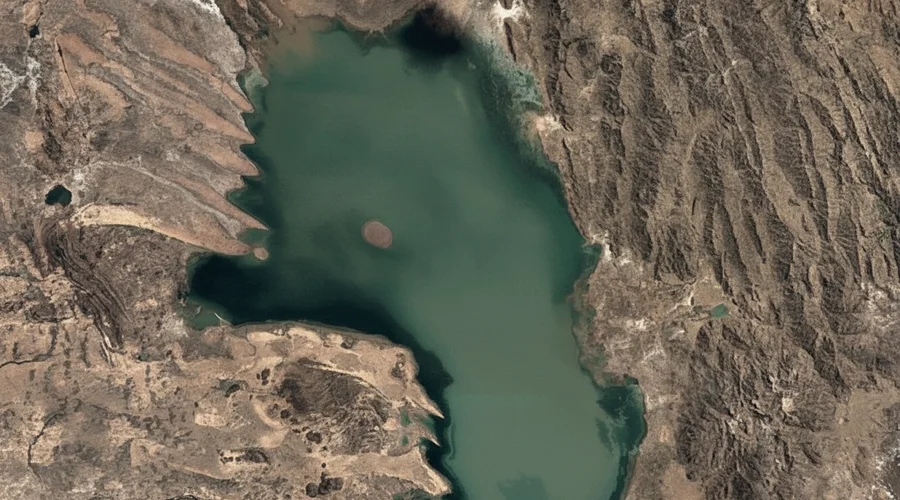
Global Water Crisis: Satellite Imagery Reveals Ten Disappearing Freshwater Sources
 world
world
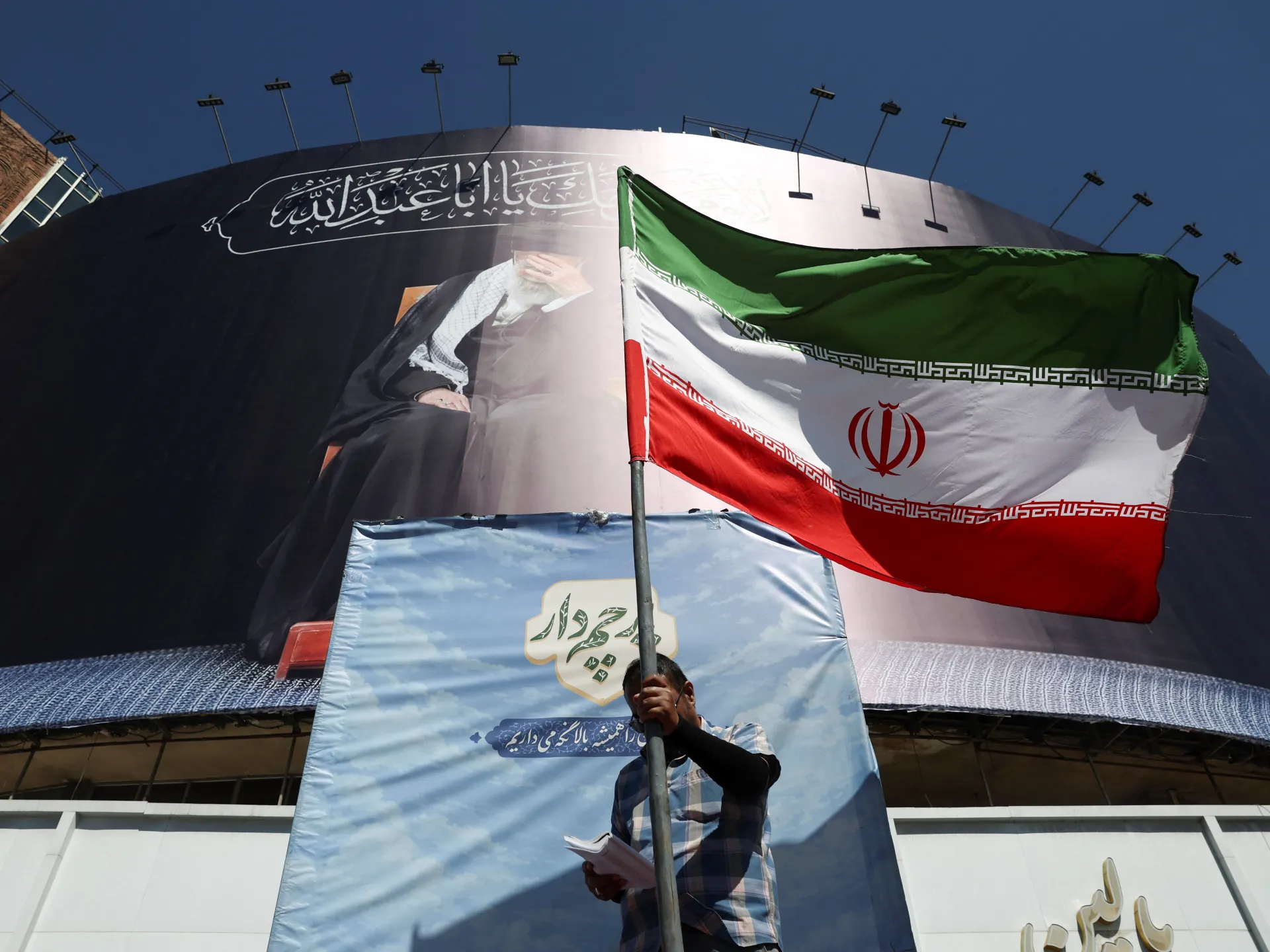
Escalating Tensions: Israeli Actions in Lebanon Jeopardize US-Iran Agreement
 world
world
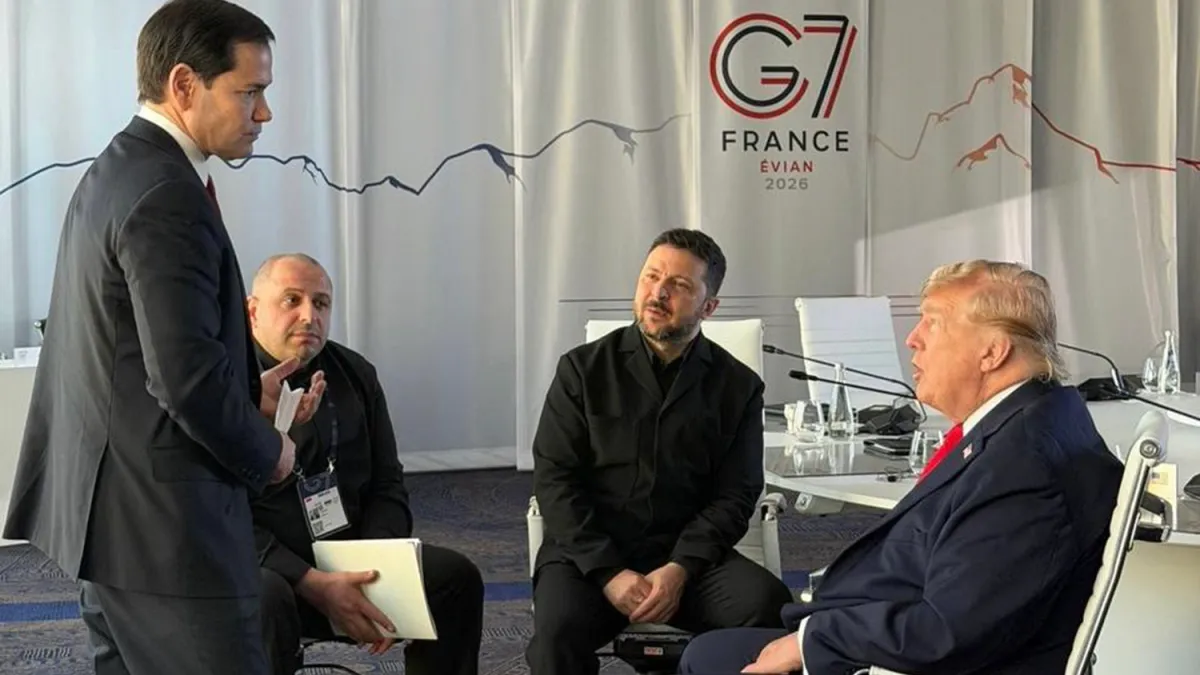
G7 Leaders Pledge Enhanced Support for Ukraine and Stricter Sanctions on Russia
 world
world