
Context of Maritime Operations and Regional Tensions
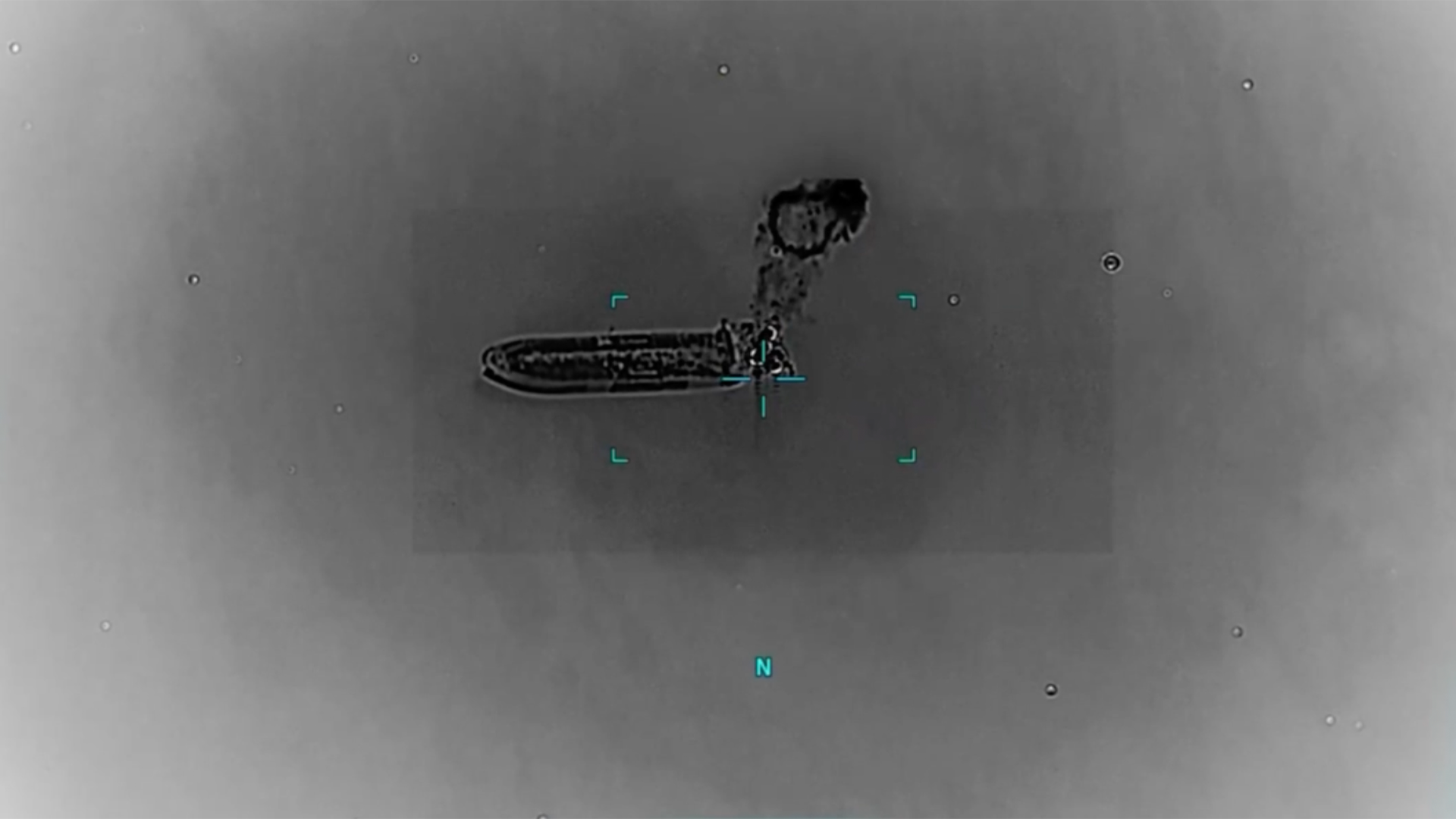
Recent maritime activities in strategically important waterways have highlighted ongoing international tensions, particularly concerning oil shipments and regional security. A US military action against an oil tanker has led to the tragic deaths of three Indian seafarers. This incident is part of a series of events underscoring the complexities and dangers faced by commercial shipping in areas of geopolitical contention.
The vessel in question was reportedly targeted due to suspicions of its involvement in transporting oil from Iran, a practice that is currently subject to international sanctions. Such interdictions are often part of broader efforts to enforce economic restrictions and maintain regional stability, though they carry inherent risks, especially to civilian personnel aboard the involved ships.
Specifics of the Incident
The strike occurred on June 11, 2026, and its immediate aftermath confirmed the fatalities of the three Indian nationals working on the tanker. Details surrounding the exact nature of the strike, including the type of ordnance used and the specific location of the attack, remain under investigation. However, the outcome has been a significant loss of life, bringing renewed attention to the safety of maritime workers in conflict-prone zones.
This particular event is notable not only for its tragic human cost but also because it represents the second occasion within a short three-day period where a vessel carrying Indian crew members has been subjected to such an attack. This pattern raises concerns about the broader implications for Indian seafarers, who constitute a significant portion of the global maritime workforce and are frequently employed on international shipping routes.
International Law and Maritime Security
The targeting of commercial vessels, particularly those alleged to be involved in illicit activities, operates within a complex framework of international law. Nations assert varying rights regarding interdiction on the high seas, especially when national security interests or international sanctions regimes are perceived to be violated. However, these actions must also contend with the principles of freedom of navigation and the protection of non-combatant civilians.
Maritime security analysts often point to the delicate balance between enforcing international norms and preventing escalation. The presence of civilian crew members on tankers, even those suspected of sanctions violations, complicates military responses. The incident prompts questions about the protocols followed to ensure the safety of non-combatants and whether alternative methods of interdiction or investigation could be pursued to mitigate risks to human life.
Impact on Indian Seafarers and Diplomatic Implications
India is a major contributor to the global seafaring community, with hundreds of thousands of its citizens working on international merchant ships. The repeated involvement of Indian crew members in such incidents is likely to prompt a review of safety protocols and potentially lead to diplomatic engagement aimed at protecting its citizens. The Indian government would typically seek detailed information regarding the circumstances of the strike and assurances for the future safety of its nationals.
From a diplomatic perspective, the incident could create friction, as any loss of life involving foreign nationals in a military operation often leads to calls for accountability and compensation. The international community, including bodies like the International Maritime Organization (IMO), may also weigh in on the need for enhanced measures to protect seafarers and ensure adherence to international humanitarian law during maritime security operations.
Broader Geopolitical Ramifications
The strike also fits into a larger narrative of geopolitical tensions surrounding Iran's oil exports. Sanctions imposed by various countries aim to limit Iran's revenue from oil sales, which are seen as funding activities deemed destabilizing by some nations. However, Iran often seeks to circumvent these sanctions, leading to a cat-and-mouse game on the high seas. This dynamic often places commercial shipping and its crews at the forefront of these international disputes.
Such incidents can have ripple effects on global energy markets, insurance rates for shipping, and the overall perception of security in key maritime chokepoints. The risk premium for operating in certain regions may increase, potentially impacting global trade flows and the cost of goods. The tragic loss of life serves as a stark reminder of the human element often caught in the crossfire of international political and economic rivalries.
Source: Original Article
Related Articles
 news
news
Escalation in Middle East as Iran Retaliates Against US Strikes, Closes Vital Strait
 news
news
Thai Court Imposes Death Penalty on Two for 2015 Bangkok Shrine Bombing
 news
news
Belfast Experiences Second Night of Anti-Immigration Unrest Amidst Stabbing Charges
 news
news