
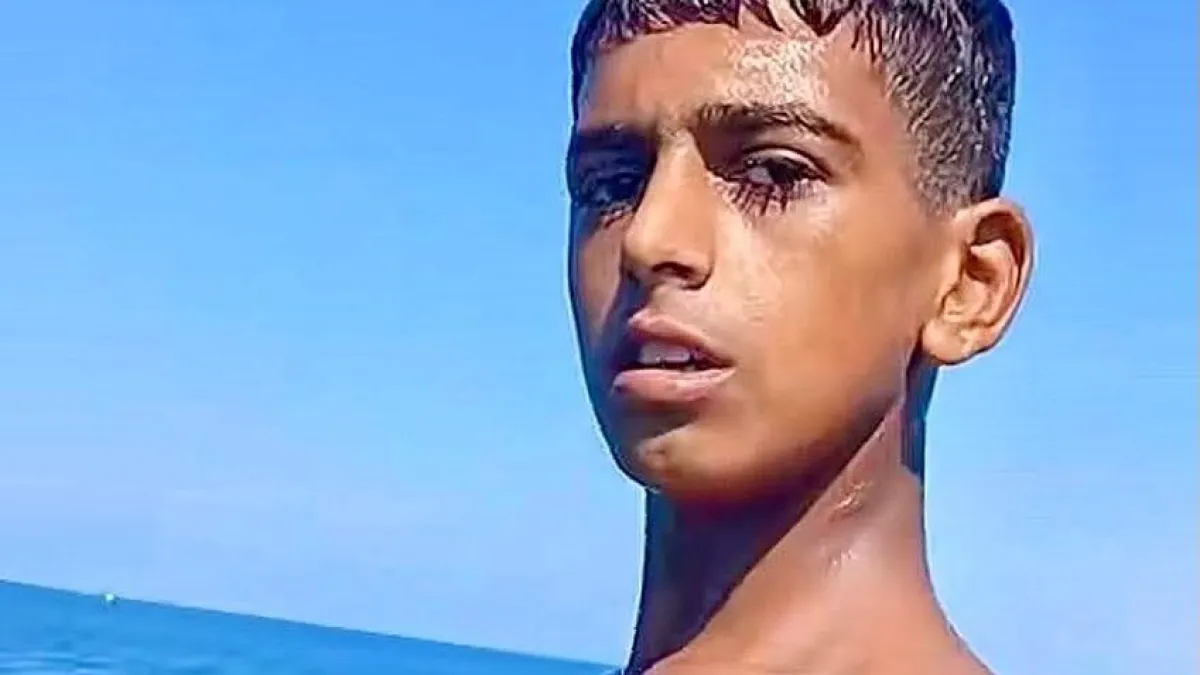
A Life Interrupted: Mohammad Abu Giab's Story
The waters off the Gaza Strip, a source of livelihood and solace for many, became the scene of a tragic event recently, drawing international scrutiny to the ongoing tensions in the region. Mohammad Abu Giab, a 15-year-old Palestinian fisherman, was reportedly killed by Israeli forces off the coast of Deir el-Balah. Footage released prior to the incident depicted the teenager engaging in the activity he loved, diving into the sea, a stark contrast to the somber news that followed.
Mohammad's death underscores the significant risks faced by those who rely on fishing for their sustenance in Gaza. The incident has reignited discussions about the maritime boundaries, the enforcement of restrictions, and the safety of civilians operating within these contested waters. For many in Gaza, fishing is not merely an occupation but a tradition passed down through generations, essential for economic survival in an area severely impacted by blockades and conflict.
The Broader Context: Risks Faced by Gaza's Fishermen
The Fishermen's Syndicate in Gaza has reported a substantial number of casualties among its members over recent years. According to their statistics, at least 238 fishermen have been killed by Israeli forces since October 2023. These figures highlight a grim reality for the fishing community, where the pursuit of their trade often places them in dangerous situations, caught between their economic necessities and the geopolitical complexities of the region.
Fishing zones off Gaza are subject to stringent restrictions imposed by Israel, which cites security concerns. These restrictions dictate how far fishermen can venture from the coast, and any perceived deviation can lead to warnings, arrests, or, in tragic instances, fatalities. Palestinian officials and human rights organizations frequently criticize these limitations, arguing that they are overly restrictive and constitute a form of collective punishment, severely impeding the economic well-being of the Gaza Strip's inhabitants.
The international community has often called for a de-escalation of tensions and greater protection for civilians in the Palestinian territories, including fishermen. Incidents like Mohammad Abu Giab's death invariably prompt renewed calls for investigations and accountability, as well as for mechanisms to ensure the safety and rights of those living under occupation or blockade.
Economic Hardship and the Struggle for Livelihood
The fishing industry in Gaza, once a vibrant sector, has been significantly hampered by the ongoing conflict and restrictions. Fishermen often operate with limited resources, using small boats and traditional methods, making their work inherently challenging even without the added layer of security risks. The shrinking fishing zones mean that available fish stocks are quickly depleted, forcing fishermen to venture further out, sometimes inadvertently crossing into areas deemed off-limits by Israeli authorities.
This constant struggle for livelihood has a ripple effect across the entire Gaza Strip, where unemployment rates are high and economic opportunities are scarce. The loss of a fisherman, particularly a young one like Mohammad, not only represents a personal tragedy for his family but also a blow to the community's collective resilience and its ability to sustain itself.
Calls for Investigation and Protection
Following such incidents, there are typically immediate calls from Palestinian authorities and international human rights groups for independent investigations. These calls aim to establish the precise circumstances surrounding the deaths, determine whether international law was adhered to, and hold responsible parties accountable. The objective is often to prevent similar tragedies from occurring in the future and to ensure that the rights of civilians, even in conflict zones, are respected.
The broader implications of these events extend beyond individual cases, contributing to the narrative of hardship and human rights concerns in the Israeli-Palestinian conflict. They serve as poignant reminders of the human cost of protracted disputes and the urgent need for peaceful resolutions that prioritize the safety and well-being of all populations.
The tragic death of Mohammad Abu Giab serves as a stark illustration of the severe challenges and dangers faced by the fishing community in Gaza. It highlights the complex interplay of economic necessity, security concerns, and human rights, urging a closer examination of the conditions under which these communities operate and the imperative for greater protection and stability in the region.
Source: Video shows Gaza teen fisherman before Israeli forces killed him at sea
Related Articles
 news
news
Escalation in Middle East as Iran Retaliates Against US Strikes, Closes Vital Strait
 news
news
Thai Court Imposes Death Penalty on Two for 2015 Bangkok Shrine Bombing
 news
news
Belfast Experiences Second Night of Anti-Immigration Unrest Amidst Stabbing Charges
 news
news