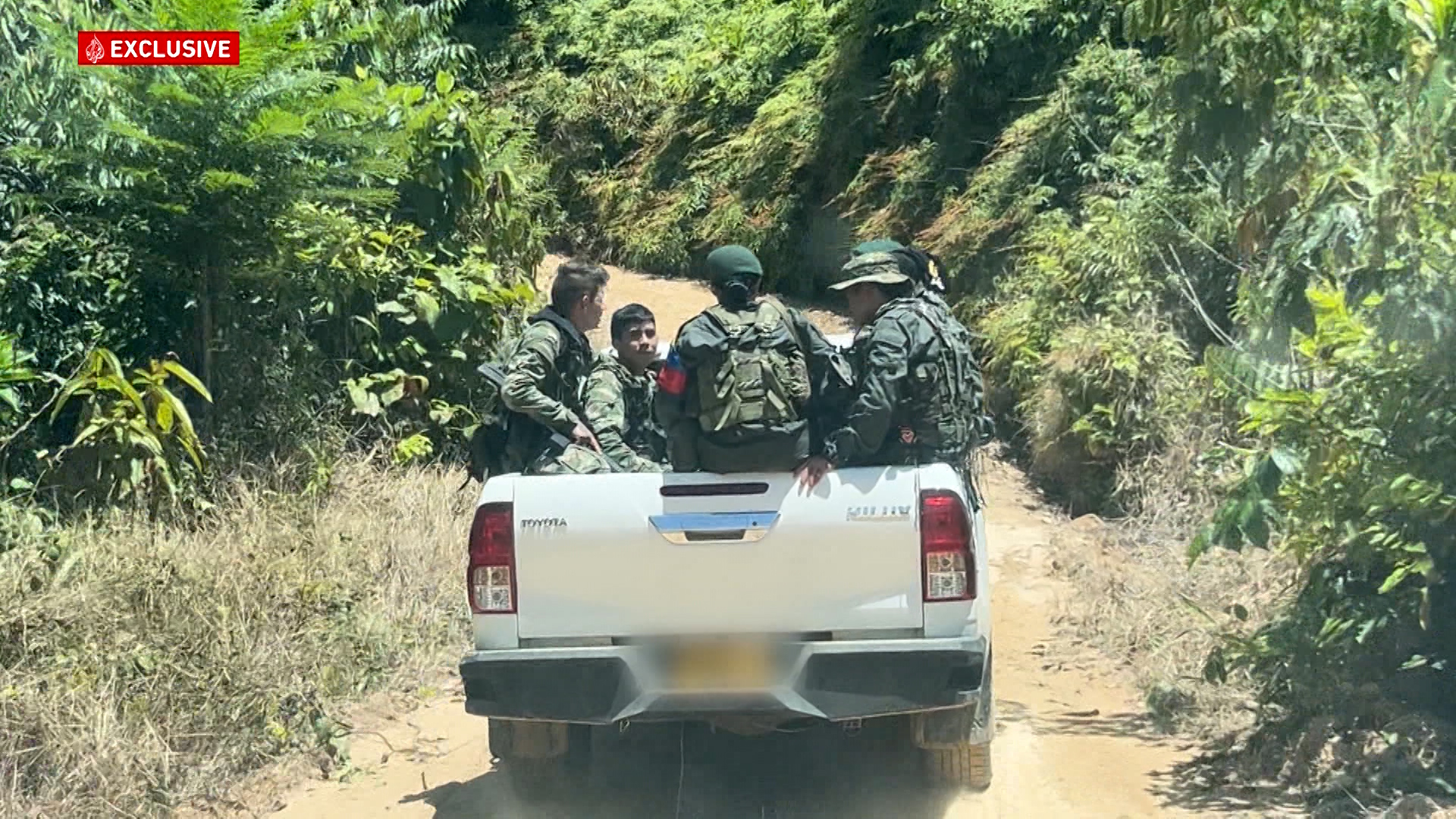
Return to Arms: A FARC Dissident Perspective
A dissenting faction of the Revolutionary Armed Forces of Colombia (FARC) has provided insights into its decision to abandon the 2016 peace agreement and re-engage in armed conflict. Members of this group assert that the landmark accord, intended to end decades of internal strife, ultimately failed to provide the promised security and stability, prompting their return to guerrilla warfare.
Unfulfilled Promises and Security Concerns
The 2016 peace deal between the Colombian government and the FARC was hailed as a historic achievement, aiming to demobilize the rebel group and integrate its members into civilian life. However, certain elements within the FARC argue that the government did not uphold its end of the agreement, particularly regarding the safety of former combatants and their communities.
According to statements from these dissidents, the period following the peace accord was marked by persistent threats and violence against former FARC members and their families. They claim that the state's presence in remote areas, historically controlled by the FARC, remained insufficient, leaving a power vacuum exploited by other armed groups, including drug traffickers and illegal mining operations. This environment, they contend, made it impossible for them to transition safely into civilian life or participate effectively in political processes.
"We returned to war because the peace deal did not deliver the security it promised. Our comrades were being killed, and our communities remained vulnerable."
Economic Disparities and Alternative Livelihoods
Beyond security, economic integration was another cornerstone of the peace agreement. The deal aimed to provide former combatants with opportunities for sustainable livelihoods, preventing their relapse into illegal activities. However, FARC dissidents report that these economic programs were either inadequate, poorly implemented, or failed to reach many former fighters. The lack of viable economic alternatives in rural areas, coupled with the dangers posed by other armed actors, pushed many back towards illicit economies, which they argue made their re-armament inevitable.
The dissidents emphasize that their return to conflict is not a rejection of peace itself, but a response to what they perceive as the Colombian state's failure to create the conditions necessary for a lasting peace. They highlight a sentiment of betrayal and abandonment, leading them to believe that armed struggle is once again their only recourse for protection and to pursue their political objectives.
Impact on Colombia's Peace Process
The re-emergence of FARC dissident groups poses significant challenges to Colombia's fragile peace process. Their actions contribute to ongoing violence in various regions, particularly those rich in natural resources or strategic for drug trafficking routes. The Colombian government has consistently condemned these groups, labeling them as criminal organizations rather than political actors, and has launched military operations against them.
The international community, which largely supported the 2016 peace accord, views the rise of dissident factions with concern. While acknowledging the complexities and challenges of implementing such a comprehensive agreement, there is a general call for all parties to recommit to peaceful resolutions and ensure the protection of human rights. The narrative presented by these FARC dissidents underscores the critical importance of robust security guarantees, economic opportunities, and effective state presence in post-conflict zones to prevent a resurgence of violence.
The situation in Colombia remains dynamic, with ongoing efforts by the government to consolidate peace and address the root causes of conflict. However, the statements from FARC dissidents serve as a stark reminder of the intricate challenges involved in transitioning from war to sustainable peace, especially when trust between former adversaries remains elusive and security provisions are perceived as insufficient.
Source: Al Jazeera exclusive interview with rebel FARC faction in Colombia