Overview of Recent Developments
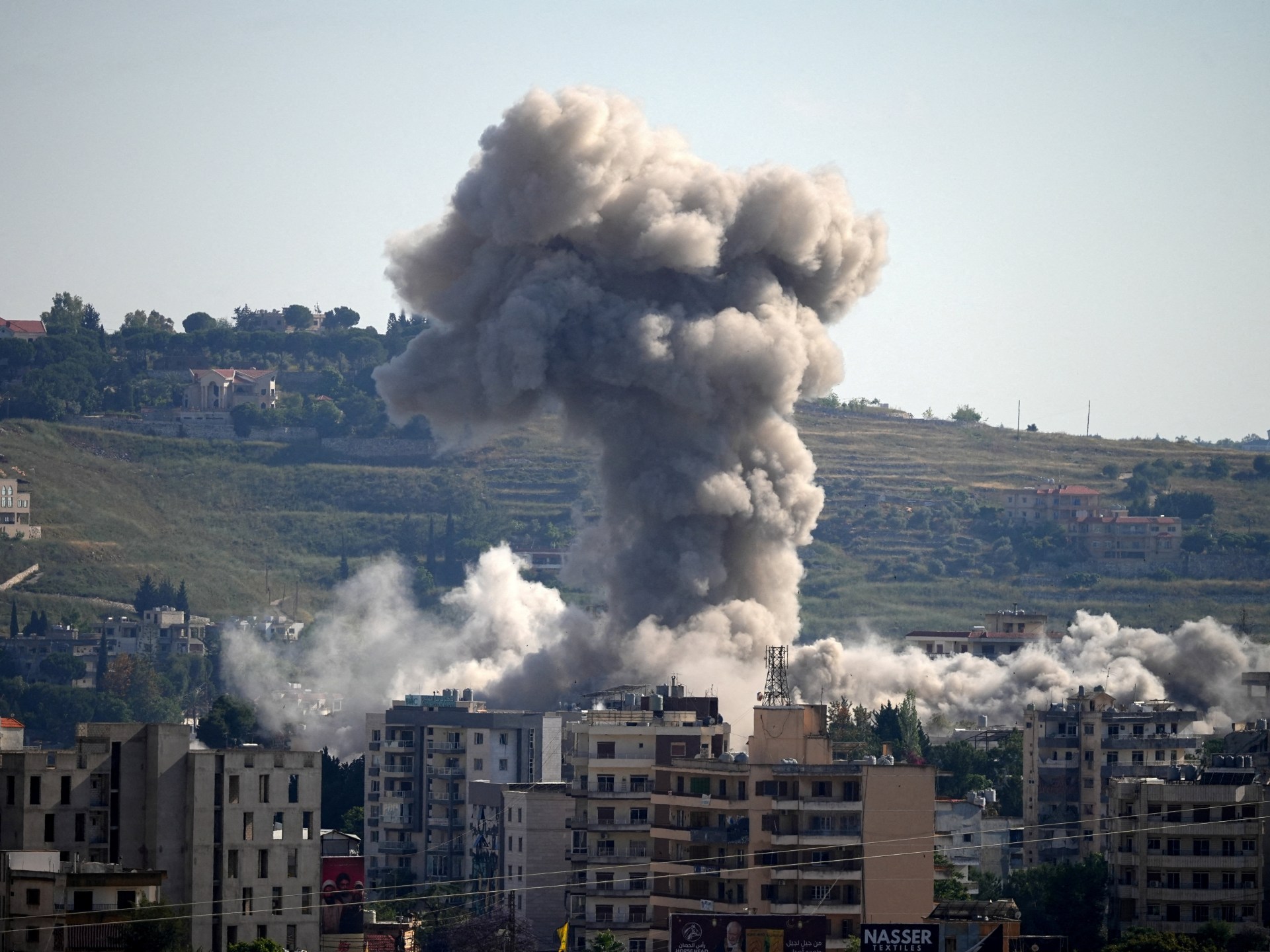
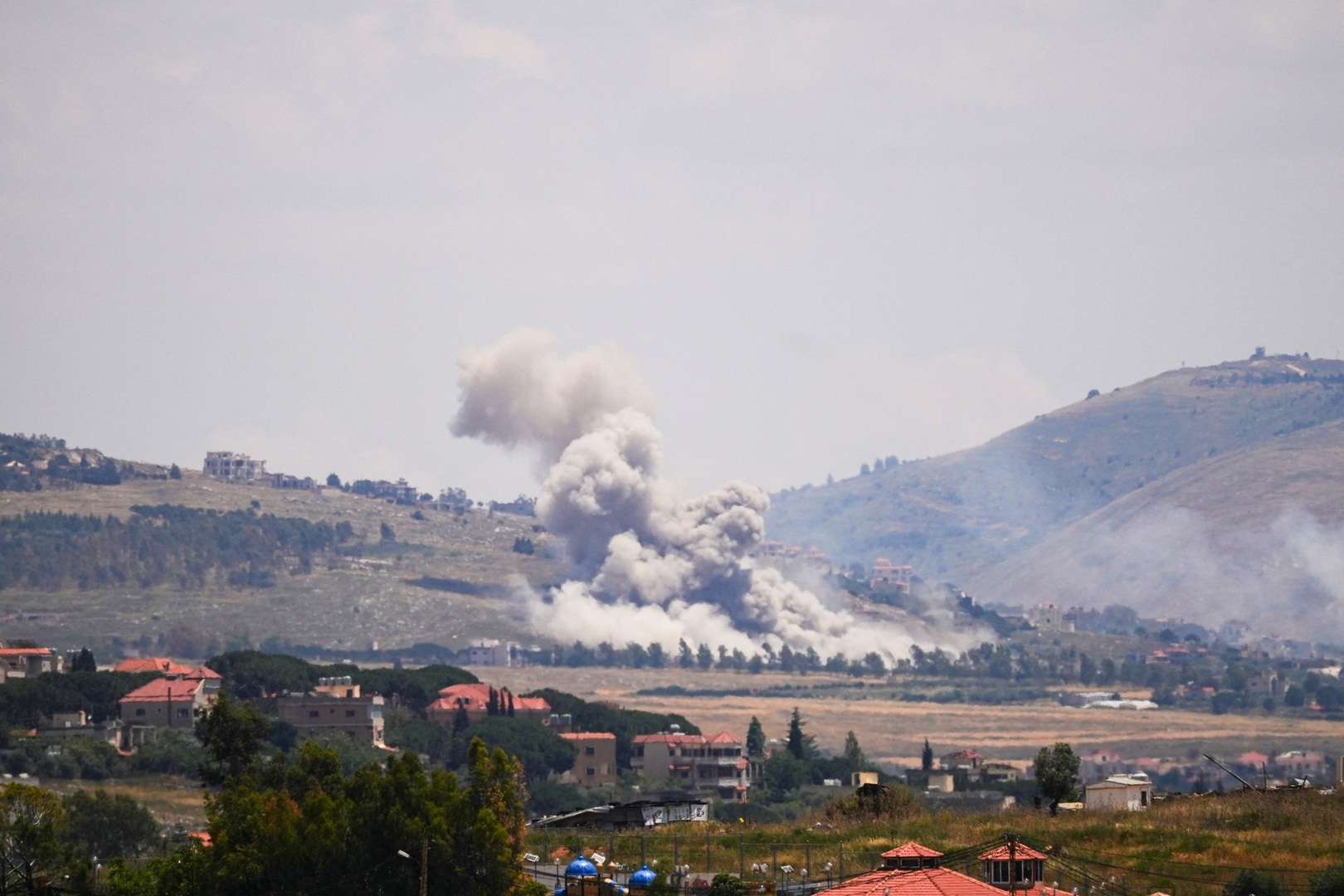
Recent military actions have seen Israeli ground forces extend their presence further into Lebanon, with troops now reported to have crossed the Litani River. This movement signifies an escalation in the current conflict, impacting an area that has historically been a point of contention and strategic importance.
Geographical Significance of the Litani River
The Litani River holds considerable geographical and strategic importance in southern Lebanon. Flowing entirely within Lebanese borders, it has often been considered a natural barrier and a key demarcation line in previous conflicts. Its crossing by Israeli forces represents a notable shift in the operational scope of the current invasion.
Context of the Broader Conflict
The expansion of Israel's ground invasion into Lebanon is part of a larger, ongoing conflict in the region. The broader context involves a history of geopolitical tensions, cross-border skirmishes, and military engagements that have periodically flared up. Each movement of forces is typically viewed through the lens of these historical dynamics and potential future implications for regional stability.
International and Regional Reactions
Such developments invariably draw significant international attention and elicit various reactions from regional and global actors. International bodies often call for de-escalation and adherence to international law, while neighboring countries express concerns about the potential for wider regional destabilization. The humanitarian impact on civilian populations in the affected areas also becomes a primary concern for aid organizations and governments alike.
Impact on Civilian Populations
When military operations expand into new territories, the civilian population often bears the brunt of the consequences. Displacement, disruption of essential services, and increased risk of harm are common outcomes. Humanitarian organizations typically mobilize to provide assistance, but access and security remain persistent challenges in conflict zones.
Historical Precedents and Future Implications
The history of conflicts in the Middle East is marked by numerous instances of cross-border military operations. Analysts often look to these historical precedents to understand the potential trajectory of current events. The crossing of the Litani River could have various implications, ranging from intensified fighting to shifts in diplomatic efforts aimed at resolving the conflict. The long-term impact on the political landscape of both Lebanon and the wider region remains a subject of ongoing analysis.
Source: Al Jazeera