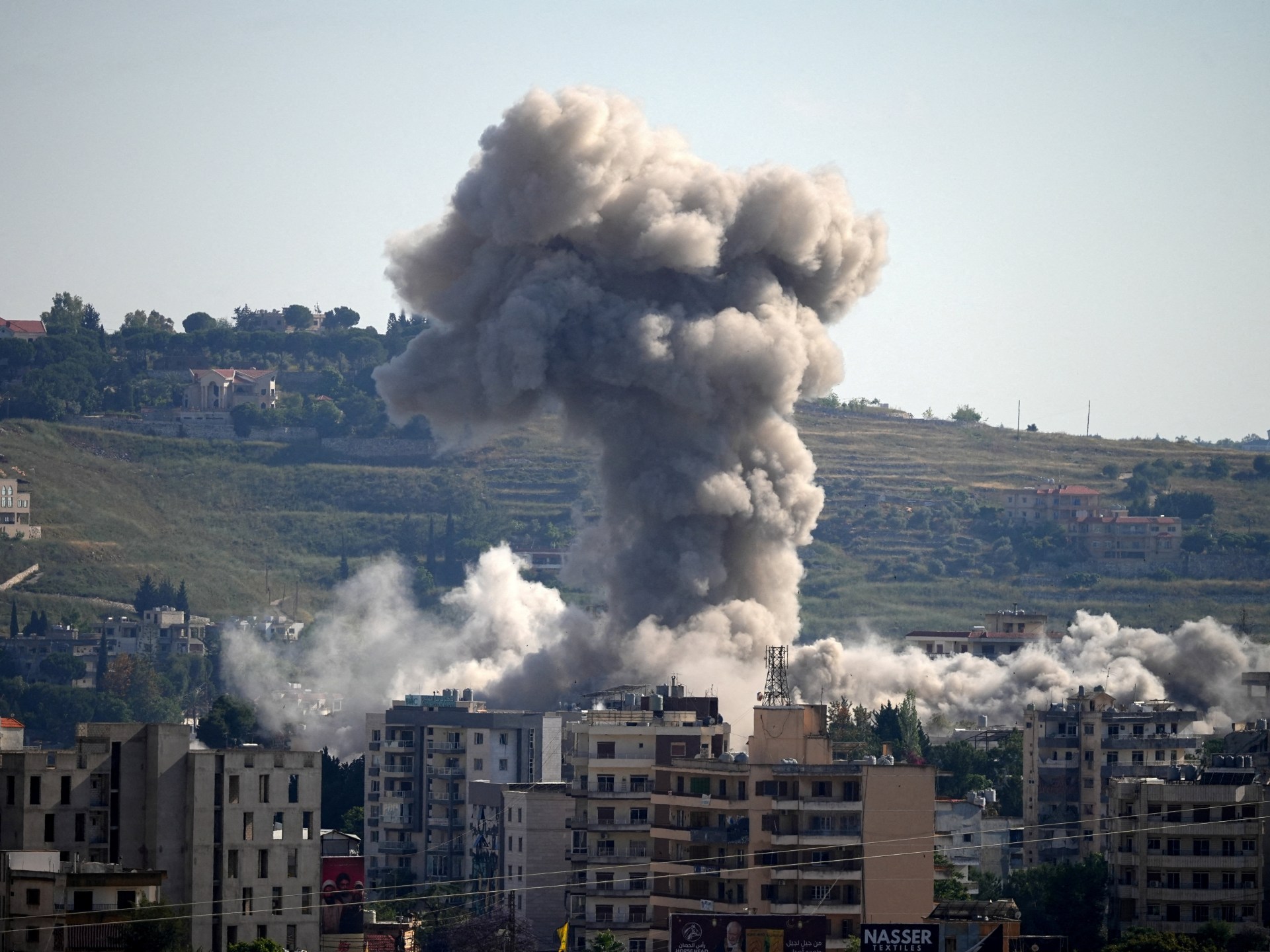

Renewed Hostilities Cloud Diplomatic Horizon
Recent reports indicate a resurgence of hostilities between the United States and Iran, even as diplomatic channels are ostensibly open for dialogue. This development introduces a new layer of complexity to an already delicate geopolitical situation, prompting international observers to scrutinize the efficacy of ongoing peace initiatives.
Ceasefire Under Strain
A ceasefire, which was publicly announced and reportedly came into effect on April 8, aimed to de-escalate tensions and provide a conducive environment for discussions between Washington and Tehran. However, the latest series of alleged attacks suggests that this agreement may be under significant strain, or perhaps was never fully observed by all parties.
The nature and specific locations of these new attacks have not been fully detailed in public statements from either side, leading to speculation and uncertainty. Information remains fragmented, making it challenging to ascertain the exact sequence of events or the full extent of the damage incurred. Both nations have previously accused each other of provocative actions, a pattern that appears to be continuing.
Historical Context of US-Iran Relations
Relations between the United States and Iran have been characterized by decades of mistrust and periodic confrontation. Following the 1979 Iranian Revolution, diplomatic ties were severed, and the two nations have since engaged in a protracted geopolitical rivalry that has played out across the Middle East. Key flashpoints have included Iran's nuclear program, its regional influence, and the presence of US military forces in the Persian Gulf.
Various administrations in Washington have pursued different strategies, ranging from sanctions and military pressure to attempts at diplomatic engagement. Similarly, successive Iranian governments have adopted diverse approaches to managing the relationship with the US, often oscillating between calls for resistance and conditional openness to negotiation.
The current situation underscores the fragility of ceasefires in regions marked by deep-seated animosities and competing strategic interests. The challenge lies not only in securing an agreement but in ensuring its consistent adherence by all involved factions.
Implications for Regional Stability
The renewed exchange of attacks carries significant implications for regional stability. The Middle East is already a volatile region, grappling with numerous conflicts, humanitarian crises, and complex power dynamics. Any escalation between the US and Iran has the potential to reverberate across the region, impacting oil markets, international shipping lanes, and the security of allied nations.
Furthermore, the perceived failure or weakening of a ceasefire agreement can erode trust, making future diplomatic efforts even more arduous. It can empower hardliners on both sides who advocate for military solutions over negotiation, thus trapping the region in a cycle of violence and retaliation.
The Path Forward
As the international community watches closely, the immediate priority for all parties involved will be to re-establish the ceasefire and create conditions for meaningful dialogue. This would likely involve clear communication channels, verifiable commitments, and potentially the involvement of neutral third-party mediators to monitor compliance.
The core issues driving the US-Iran rivalry, including security concerns, regional influence, and economic grievances, will ultimately need to be addressed through comprehensive and sustained diplomatic engagement. Without such efforts, the cycle of attacks and counter-attacks risks spiraling into a wider, more destructive conflict.
Source: Al Jazeera