
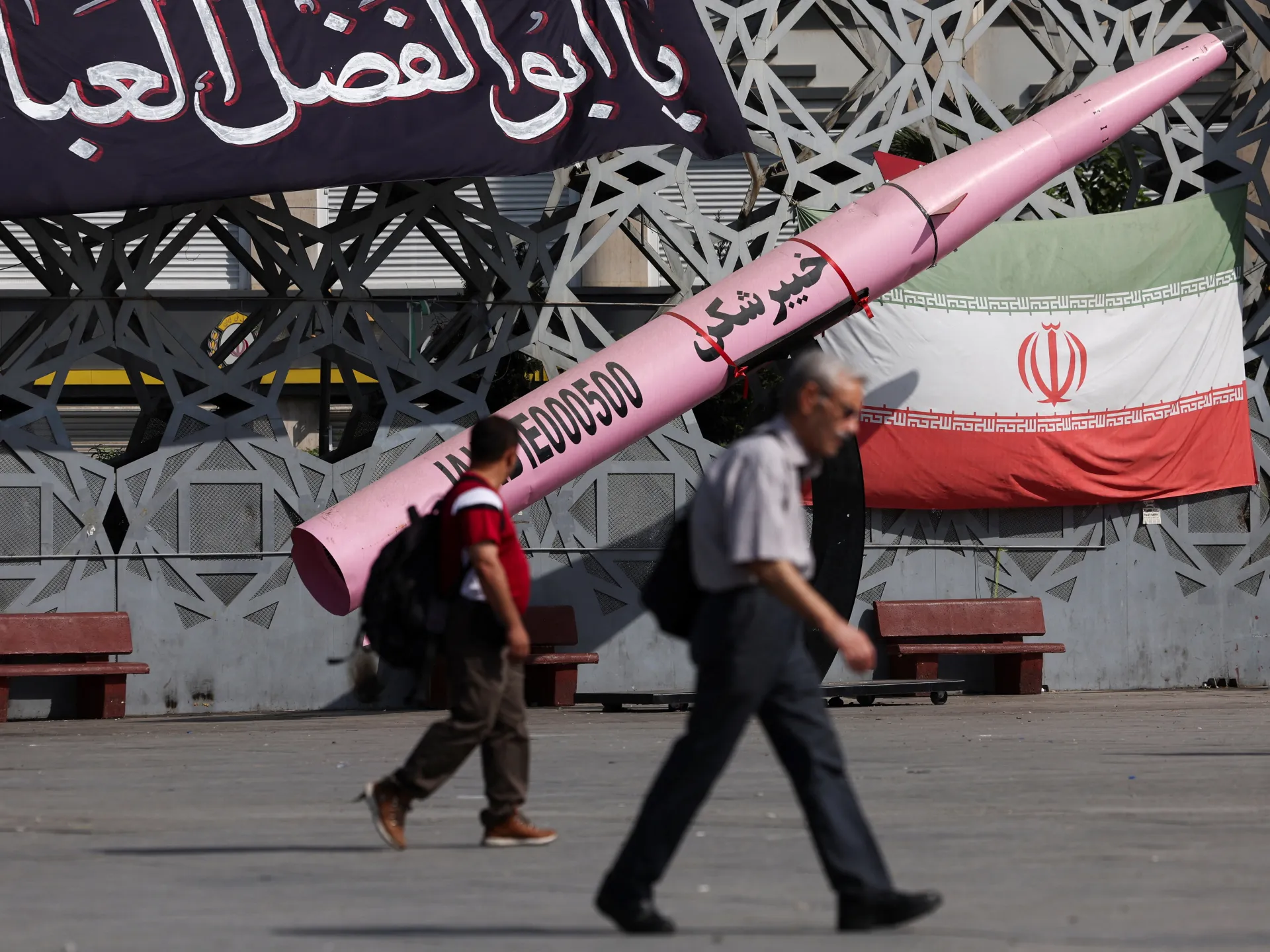
Regional Instability Intensifies
The geopolitical landscape of the Middle East has entered a period of severe instability, marked by a series of aggressive military exchanges between Iranian forces and the United States military. Reports indicate a significant escalation of hostilities, prompting widespread concern among international observers and regional nations about the prospect of a full-scale war. The situation has rapidly deteriorated, with both sides engaging in actions that have drawn the attention of global powers and created a palpable sense of unease across the strategic region.
The current crisis follows a period of simmering tensions, which have now boiled over into open conflict. The implications of this escalation are far-reaching, potentially impacting global energy markets, international trade routes, and the broader security architecture of the Middle East. Analysts are closely monitoring developments, with many highlighting the critical need for de-escalation to prevent a wider conflagration.
Iranian Military Actions and Claims
Iranian military entities have reportedly initiated a series of offensive operations, utilizing an array of weaponry against several neighboring states. Claims from Tehran indicate that missile and suicide drone attacks have been directed towards targets in Jordan, Bahrain, Kuwait, Qatar, and Oman. These actions, if confirmed, represent a significant expansion of the conflict beyond direct engagements with US forces and suggest a deliberate strategy to demonstrate reach and capability across the Gulf region.
Such deployments and strikes underscore Iran's capacity to project power and potentially disrupt regional stability. The use of both missile technology and unmanned aerial vehicles (UAVs), commonly referred to as suicide drones, highlights a sophisticated and multi-faceted approach to military operations. The selection of these specific targets could be interpreted as a message to countries perceived as aligning with or supporting US interests in the region, or as an attempt to create a buffer zone against potential counter-attacks.
United States Retaliatory Strikes
In response to perceived threats and actions, the United States military has confirmed launching retaliatory strikes within Iranian territory. Official statements from Washington indicate that US forces targeted over 140 locations across Iran. These strikes reportedly focused on various sites, with explosions observed in key Iranian port cities along the southern coast. Among the locations where significant blasts were reported are Bandar Abbas, Sirik, Chabahar, Bandar-e Deyr, Jask, and Asaluyeh.
The targeting of these coastal cities, many of which are vital for Iran's maritime trade and oil exports, suggests an effort by the US to degrade Iranian military infrastructure and potentially cripple economic capabilities that support its operations. The scale of the US response, encompassing more than a hundred targets, signals a firm and robust stance against Iranian aggression, aiming to deter further hostile acts. The precise nature of the targets struck by the US military has not been fully detailed, but it is understood to include military installations, command and control centers, and potentially missile or drone launch sites.
Strait of Hormuz Declaration
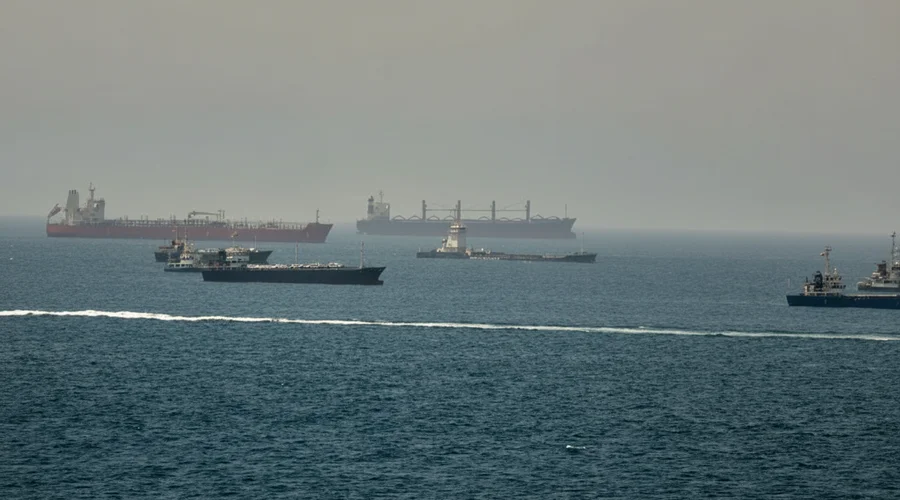
Adding another layer of complexity and concern to the situation, reports suggest that the Islamic Revolutionary Guard Corps (IRGC) has declared the Strait of Hormuz closed. This declaration, if enforced, carries immense global implications. The Strait of Hormuz is a narrow waterway that serves as a critical choke point for international maritime trade, particularly for oil shipments from the Persian Gulf to markets worldwide. A closure of this strait would severely disrupt global energy supplies, leading to potentially catastrophic economic consequences.
The IRGC's asserted reason for this declaration is cited as 'US interference,' indicating a direct challenge to American naval presence and operations in the region. Such a move would be a significant escalation, directly threatening international shipping and potentially inviting a more direct and forceful intervention from naval powers reliant on the strait for trade. The international community is likely to view any attempt to close the strait as an act of aggression against global commerce and a severe breach of international law, demanding an immediate and coordinated response.
Regional and International Reactions
The escalating conflict has prompted a flurry of diplomatic activity and expressions of concern from various international bodies and nations. Regional allies of the United States are on high alert, assessing their own security postures and preparing for potential spillover effects. Simultaneously, calls for de-escalation and restraint are emanating from the United Nations and other international organizations, urging both Washington and Tehran to step back from the brink of a full-scale war.
The potential for miscalculation remains a significant risk, with each side's actions potentially provoking an unintended and disproportionate response from the other. The current situation demands careful diplomacy and a clear communication of intentions to prevent the conflict from spiraling further out of control. The long-term stability of the Middle East, and indeed global economic security, hinges on a swift and peaceful resolution to the current hostilities.
Source: Original Article
Related Articles
 world
world
Diplomatic Efforts Intensify to De-escalate US-Iran Tensions Through Gulf Mediation
 world
world
Escalation in Gulf: Iran Responds to US Strikes with Regional Missile Attacks
 world
world
Escalating Tensions: US Forces Conduct Third Strike on Iran as Strait of Hormuz is Closed
 world
world