
Introduction to Regional Mediation
In a period marked by heightened geopolitical sensitivities, regional diplomatic efforts are intensifying to prevent a further escalation of tensions between the United States and Iran. Countries within the Persian Gulf, particularly Qatar and Oman, have emerged as pivotal mediators, engaging in a series of discussions and proposals aimed at fostering stability. These initiatives underscore a broader international concern regarding potential ramifications of increased friction between Washington and Tehran, especially in a region critical for global energy markets and maritime trade. The proactive engagement of these Gulf states reflects a strategic imperative to safeguard regional security and economic interests, which could be significantly disrupted by any major confrontation.
Qatar's Role in Facilitating Dialogue
Qatar has reportedly undertaken a significant role in attempting to bridge the diplomatic chasm between the United States and Iran. Recent reports indicate that Qatari officials have been actively involved in discussions in Tehran, the capital of Iran. While the precise details of these talks remain largely confidential, their objective is understood to be the exploration of pathways for de-escalation and the potential for direct or indirect communication channels between the two estranged nations. Qatar's long-standing policy of maintaining open lines of communication with various international actors, including those with strained relationships, positions it uniquely as a credible intermediary. The nation's diplomatic infrastructure and its track record in hosting sensitive negotiations provide a conducive environment for such delicate discussions. These efforts are not merely about preventing immediate conflict but also about laying groundwork for a more stable and predictable regional security architecture. The Qatari approach emphasizes discrete, behind-the-scenes engagement, which is often more effective in addressing complex and deeply entrenched geopolitical issues.
Oman's Maritime Security Proposal
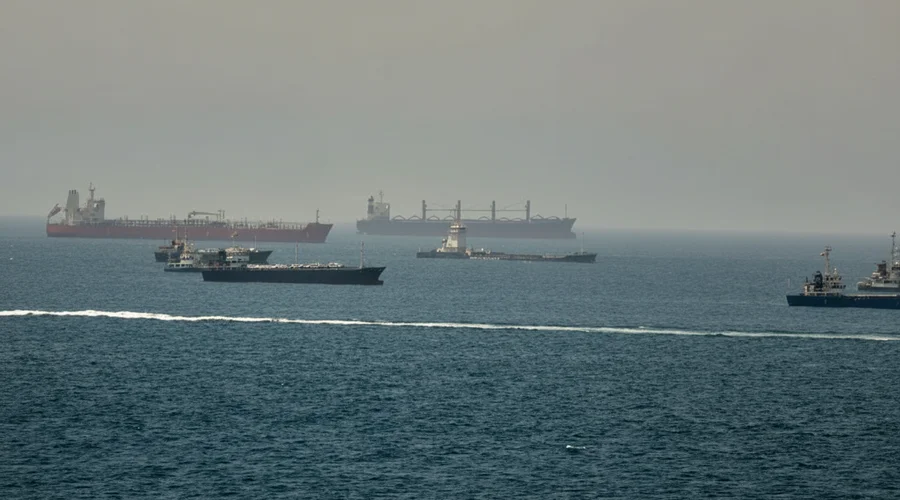
Concurrently, the Sultanate of Oman is advancing its own set of proposals, specifically focusing on the critical issue of maritime security in the Strait of Hormuz. This vital waterway is a choke point for a significant portion of the world's oil supply, and any disruption there could have profound global economic consequences. Oman's plan reportedly aims to establish a framework for managing shipping and ensuring the safe passage of vessels through the strait. Details of this proposal suggest an emphasis on collaborative mechanisms, possibly involving regional and international stakeholders, to reduce the risk of incidents and miscalculations that could lead to broader conflict. Oman has historically played a quiet but influential role in regional diplomacy, often serving as a discreet intermediary in various international disputes. Its geographical proximity to the Strait of Hormuz and its generally neutral stance lend credibility to its efforts to enhance maritime security. The Omani initiative seeks to create a more predictable and less volatile environment for commercial shipping, thereby mitigating one of the primary flashpoints for potential conflict between Iran and the United States. This proposal highlights the interconnectedness of security, trade, and diplomacy in the region, where a stable maritime environment is crucial for both regional prosperity and global energy security.
The Broader Context of US-Iran Relations
The current diplomatic overtures by Qatar and Oman are set against a backdrop of complex and often fraught relations between the United States and Iran. Decades of mistrust, compounded by recent geopolitical developments, have created an environment where direct engagement is challenging. Issues such as Iran's nuclear program, its regional influence, and sanctions imposed by the US continue to be significant points of contention. The involvement of third-party mediators becomes crucial in such circumstances, as they can facilitate preliminary discussions, convey messages, and explore potential areas of common ground without requiring direct recognition or concessions from either party. The mediators' efforts are not about resolving all outstanding issues but rather about creating space for dialogue and preventing a dangerous escalation that neither side may desire. The strategic importance of the Persian Gulf region, coupled with the potential for miscalculation, makes these mediation efforts particularly urgent and significant. The international community largely views these diplomatic initiatives as essential steps toward fostering regional stability and averting a wider conflict that could have devastating consequences.
Conclusion: A Path Towards De-escalation
The sustained diplomatic engagement by Qatar and Oman represents a concerted regional effort to navigate the complex dynamics between the United States and Iran. By facilitating dialogue and proposing concrete measures for maritime security, these nations are attempting to carve out a path towards de-escalation and greater stability in a volatile region. While the challenges are substantial and the road to comprehensive resolution remains long, the commitment of these mediators offers a glimmer of hope for averting further confrontation. Their actions underscore the vital role of regional diplomacy in addressing global geopolitical challenges and highlight the ongoing imperative to find peaceful solutions to intricate international disputes.
Source: Al Jazeera
Related Articles
 world
world
Escalating Tensions: Middle East on Edge Amidst Iran-US Confrontation
 world
world
Escalation in Gulf: Iran Responds to US Strikes with Regional Missile Attacks
 world
world
Escalating Tensions: US Forces Conduct Third Strike on Iran as Strait of Hormuz is Closed
 world
world