

Recent Developments in US-Iran Relations
The geopolitical landscape in the Middle East has seen a significant escalation in recent days, with reports indicating that United States military forces have executed a third round of strikes targeting Iran within a single week. This series of actions comes on the heels of a critical declaration by Iran's Islamic Revolutionary Guard Corps (IRGC), which announced the closure of the Strait of Hormuz, a vital international waterway for oil shipments and global trade.
The repeated military engagements by the US and the retaliatory measure by Iran in closing a strategic maritime choke point suggest a rapidly intensifying situation. Observers and analysts are closely monitoring these developments, as they carry potential implications for regional stability, international commerce, and energy markets.
Context of the Strikes
While specific details regarding the nature and targets of these recent US strikes remain limited in initial reports, the pattern of their occurrence—three times within a week—points to a deliberate and sustained military response. Such actions are typically undertaken in response to perceived threats, provocations, or to achieve specific strategic objectives. The timing of these strikes, following earlier engagements, indicates an ongoing and potentially deepening military confrontation between the two nations.
The US Department of Defense and other relevant agencies have not yet provided comprehensive statements detailing the rationale behind these particular strikes, nor have they elaborated on the damage assessment or the broader operational goals. However, the consistent nature of these military operations underscores a robust and assertive posture from the United States in the region.
The Strategic Importance of the Strait of Hormuz
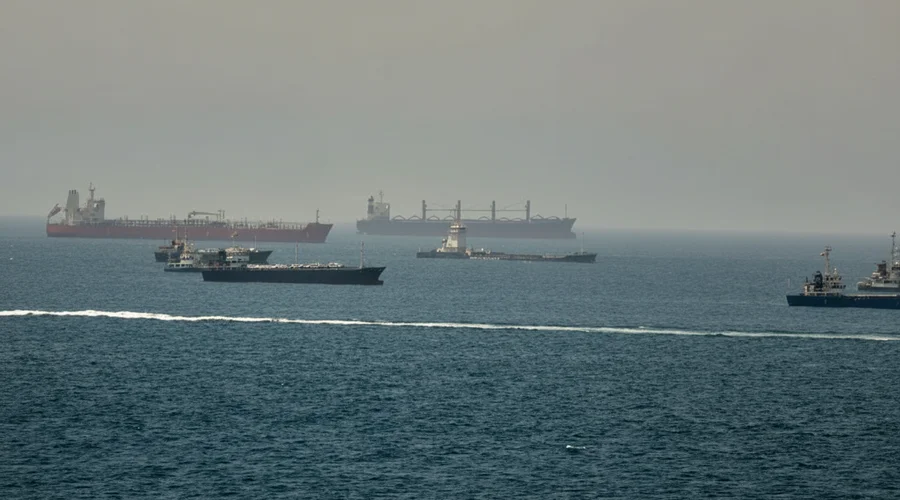
The Strait of Hormuz, a narrow passage between the Persian Gulf and the Gulf of Oman, is one of the world's most critical maritime chokepoints. Approximately one-fifth of the world's total oil consumption, including crude oil and petroleum products, passes through this strait daily. Its closure by Iran's IRGC, therefore, represents a significant geopolitical and economic maneuver with far-reaching consequences.
Historically, threats or actions to impede transit through the Strait of Hormuz have been viewed by the international community as a major escalation, capable of disrupting global energy supplies and triggering substantial economic repercussions. The IRGC's declaration suggests a direct challenge to international maritime law and the free flow of commerce, potentially aimed at leverage in the face of ongoing US military pressure.
International Reactions and Future Outlook
The dual events of repeated US strikes and the closure of the Strait of Hormuz are expected to elicit strong reactions from various international actors. Major global powers, dependent on the stability of energy markets and freedom of navigation, are likely to express concerns and call for de-escalation. The United Nations and other international bodies may also become involved in diplomatic efforts to mitigate the crisis.
The immediate future of the region appears uncertain. The interplay between military actions and strategic declarations could lead to further escalations or, conversely, prompt intensified diplomatic initiatives to prevent a wider conflict. The situation underscores the delicate balance of power in the Middle East and the complex, often unpredictable, dynamics of international relations.
Analysts are now focused on understanding the full scope of Iran's intentions behind closing the Strait, as well as the United States' subsequent responses. The coming days will be critical in determining whether these events represent a temporary spike in tensions or a more sustained shift towards a deeper confrontation.
Source: Al Jazeera
Related Articles
 world
world
Escalating Tensions: Middle East on Edge Amidst Iran-US Confrontation
 world
world
Diplomatic Efforts Intensify to De-escalate US-Iran Tensions Through Gulf Mediation
 world
world
Escalation in Gulf: Iran Responds to US Strikes with Regional Missile Attacks
 world
world