
Recent Developments in US-Iran Standoff
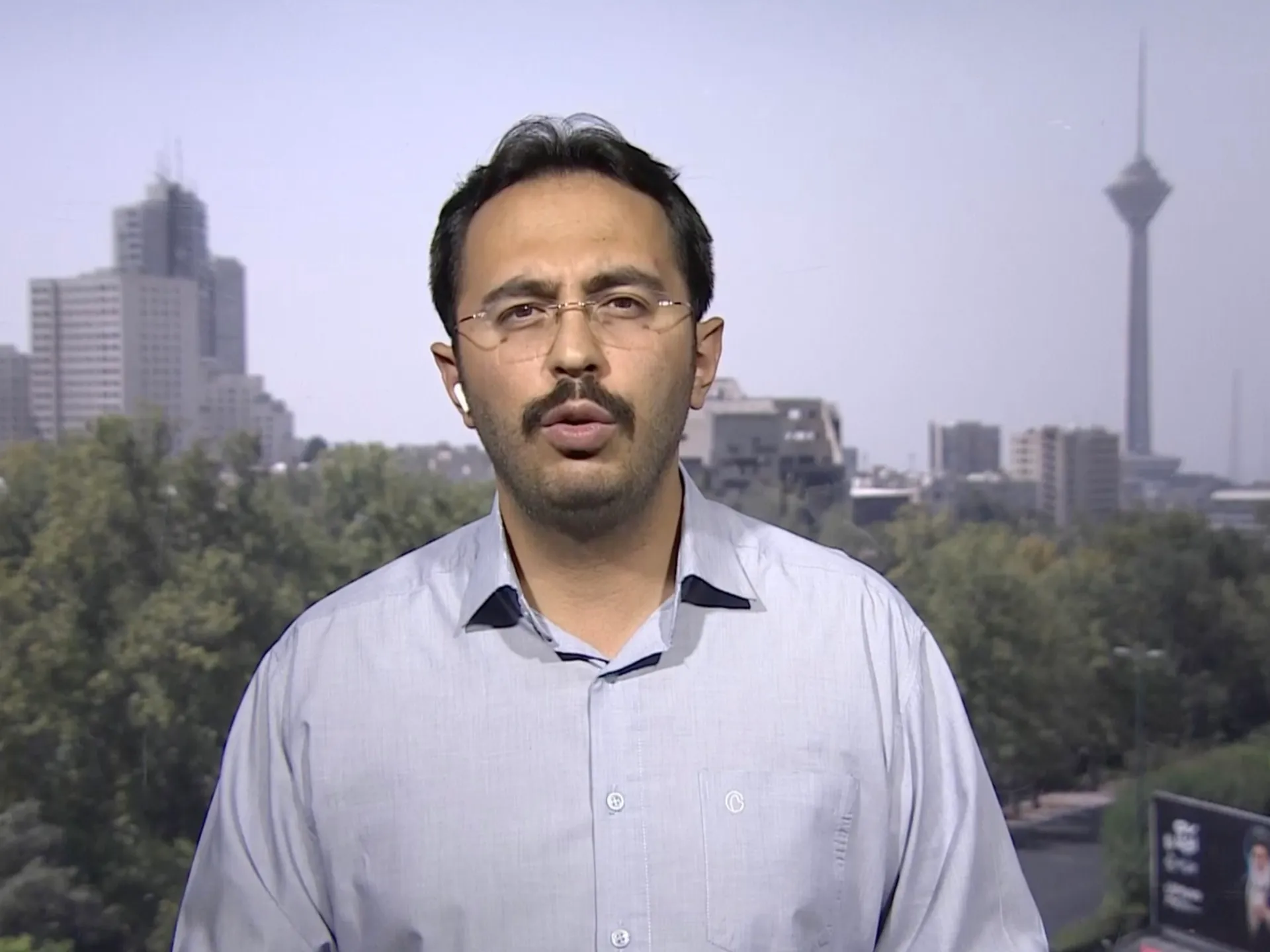
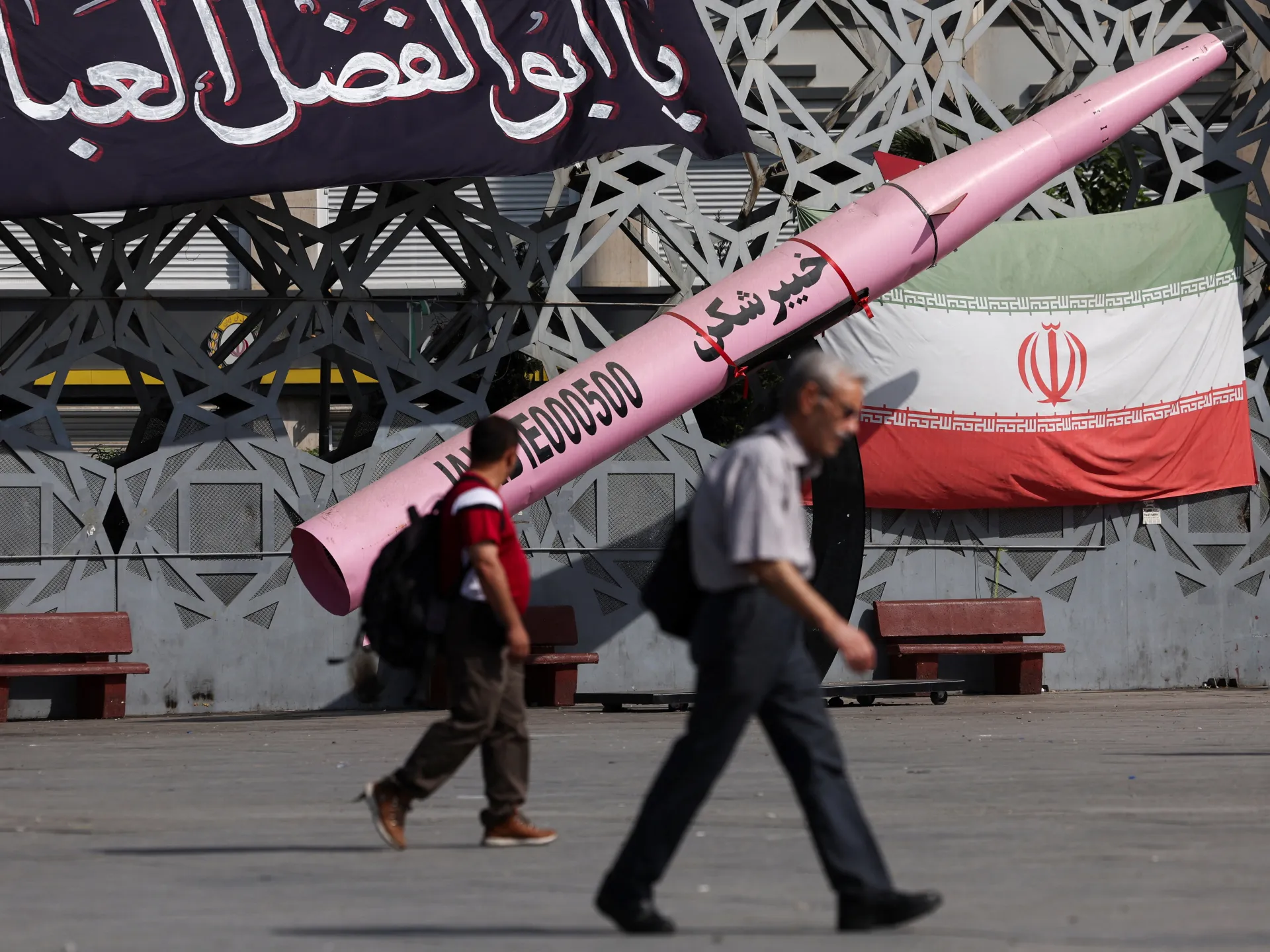
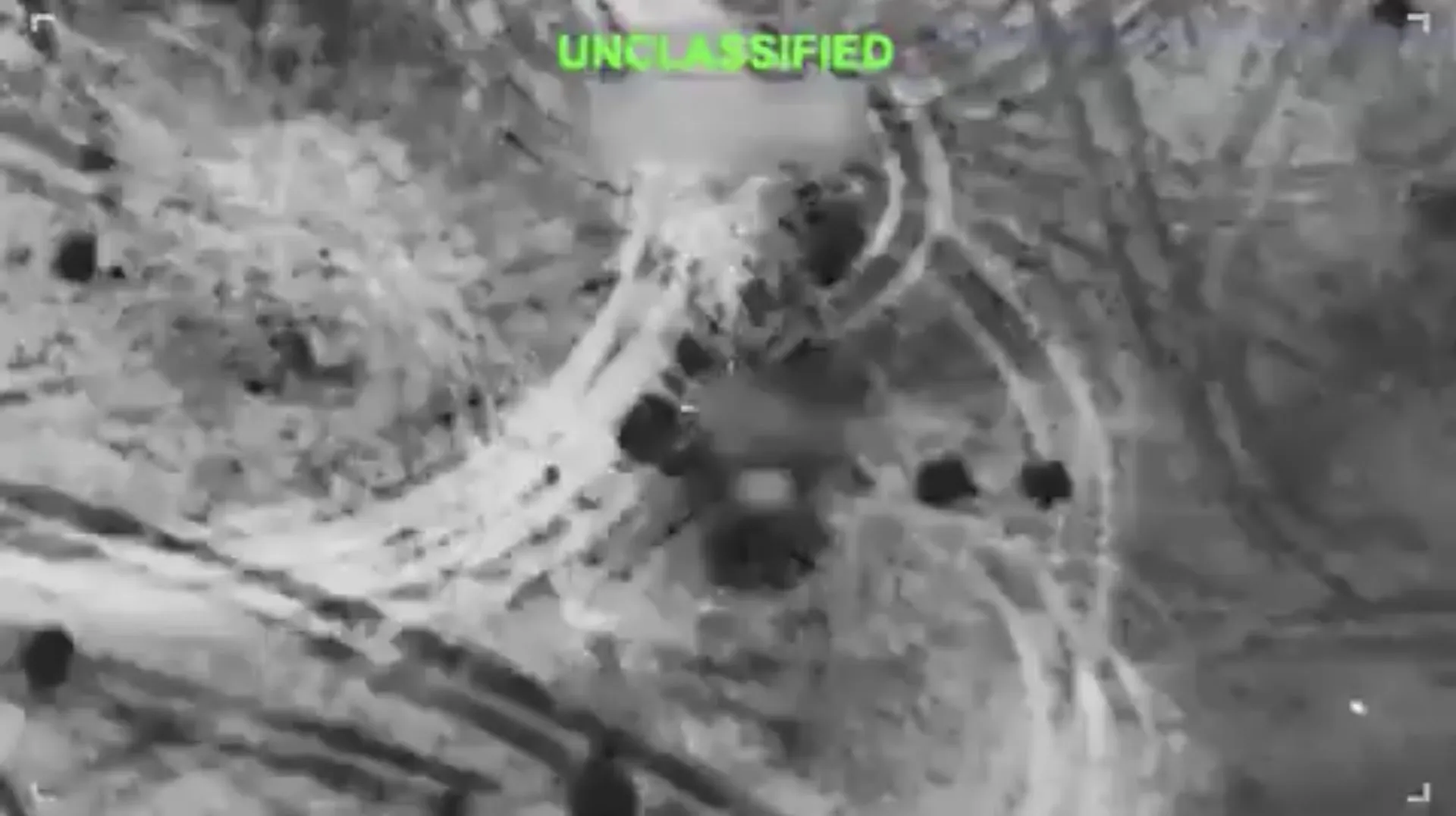
The Islamic Revolutionary Guard Corps (IRGC) of Iran has declared its intent to deliver a "crushing response" should the United States initiate any further military engagements within Iranian territory. This declaration emerges in the wake of a series of exchanges that have seen the United States conduct three rounds of strikes against Iranian targets over a seven-day period. These American actions were reportedly met with reciprocal strikes from Iran, which targeted US military installations situated across the broader Middle Eastern region.
Background to the Current Tensions
The current escalation represents a continuation of a protracted period of strained relations between Washington and Tehran. While the precise triggers for the most recent volley of strikes remain subject to detailed analysis, the pattern of tit-for-tat military actions suggests an increasingly volatile security environment. Both nations have previously engaged in indirect confrontations through proxy forces and direct military responses, often citing national security interests and deterrence as justifications for their actions. The repeated nature of these strikes within a short timeframe indicates a heightened state of alert and a potential for further escalation if a de-escalation pathway is not identified.
The IRGC's Stance and Implications
The IRGC's statement is significant given its pivotal role in Iran's defense and security apparatus. As a powerful military and political entity, its pronouncements carry considerable weight and are often interpreted as official policy. The term "crushing response" is a strong rhetorical choice, signaling a readiness to retaliate with substantial force, potentially beyond the immediate vicinity of any future US actions. This posture aims to deter further American military interventions and to demonstrate Iran's resolve in defending its sovereignty and interests. However, such declarations also risk further entrenching the cycle of escalation, as both sides may feel compelled to demonstrate strength and resolve.
International and Regional Reactions
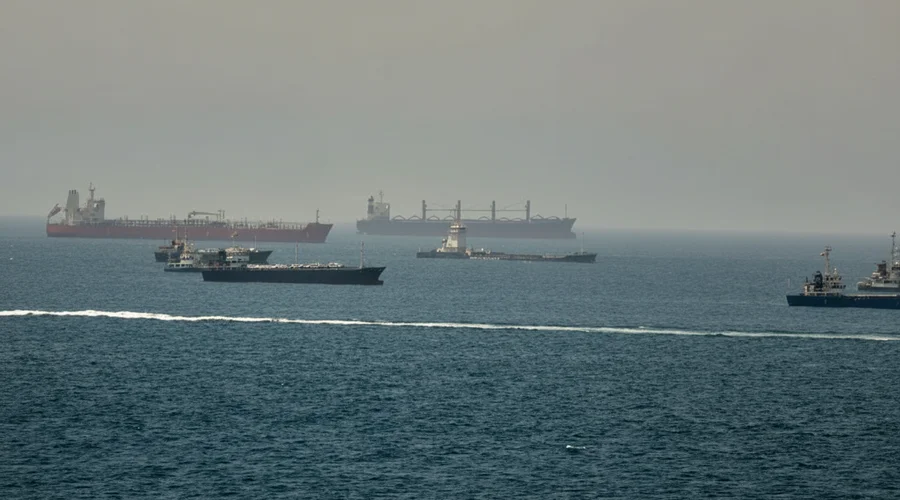
The ongoing military exchanges between the US and Iran have predictably drawn attention from international observers and regional actors. Many nations in the Middle East, already grappling with various geopolitical complexities and conflicts, view these developments with concern. The potential for a wider conflict in a region critical to global energy supplies and international trade routes underscores the urgency of diplomatic efforts to defuse the situation. International bodies and diplomatic channels are likely to be engaged in attempts to encourage restraint and open lines of communication between the two adversaries. The involvement of various regional actors, whether directly or indirectly, further complicates the security landscape, making a swift resolution challenging.
US Justifications and Strategy
From the American perspective, the strikes on Iranian targets are likely framed as defensive measures, intended to deter aggression, protect US personnel and assets, or respond to perceived threats. The US government typically emphasizes its commitment to stability in the region and its alliances, often asserting that its military presence is aimed at countering destabilizing forces. The specific nature of the targets in the recent US strikes, though not fully detailed in public reports, would likely be presented as legitimate military objectives. However, the consistent Iranian response suggests that Tehran views these actions as provocative and an infringement on its sovereignty, necessitating a counter-response.
The Path Forward: De-escalation or Further Conflict?
The current trajectory of US-Iran relations appears to be at a critical juncture. The repeated military exchanges, coupled with strong rhetoric from both sides, raise serious questions about the potential for further escalation. The international community's focus will likely be on encouraging dialogue and seeking diplomatic solutions to prevent a broader conflict. Without clear channels of communication and a willingness from both parties to de-escalate, the risk of miscalculation and unintended consequences remains high. The future stability of the Middle East hinges significantly on how these tensions are managed in the coming weeks and months.
Source: Original Article
Related Articles
 world
world
Escalating Tensions: Middle East on Edge Amidst Iran-US Confrontation
 world
world
Diplomatic Efforts Intensify to De-escalate US-Iran Tensions Through Gulf Mediation
 world
world
Escalation in Gulf: Iran Responds to US Strikes with Regional Missile Attacks
 world
world