Overview of the Situation in Southern Lebanon
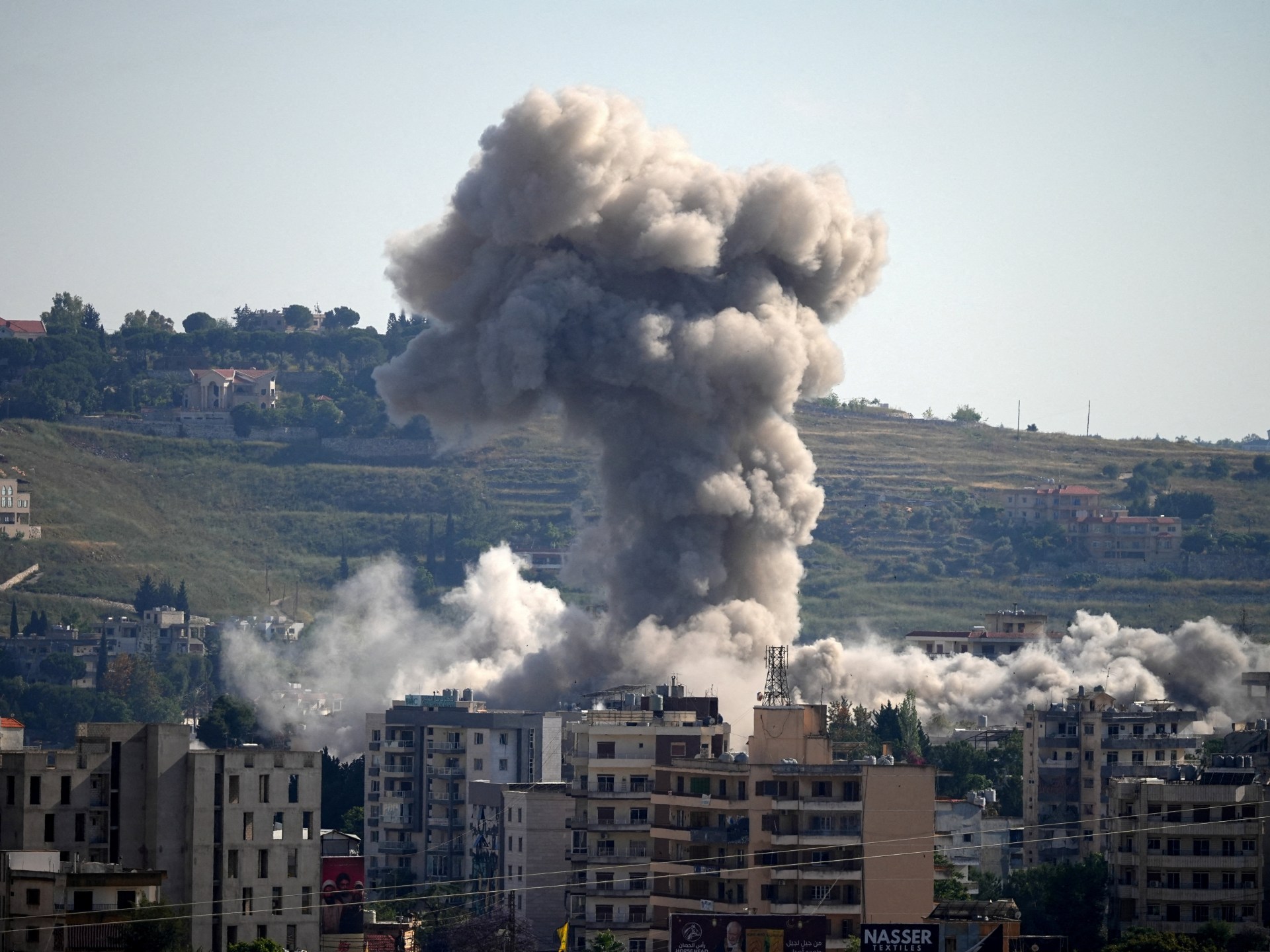
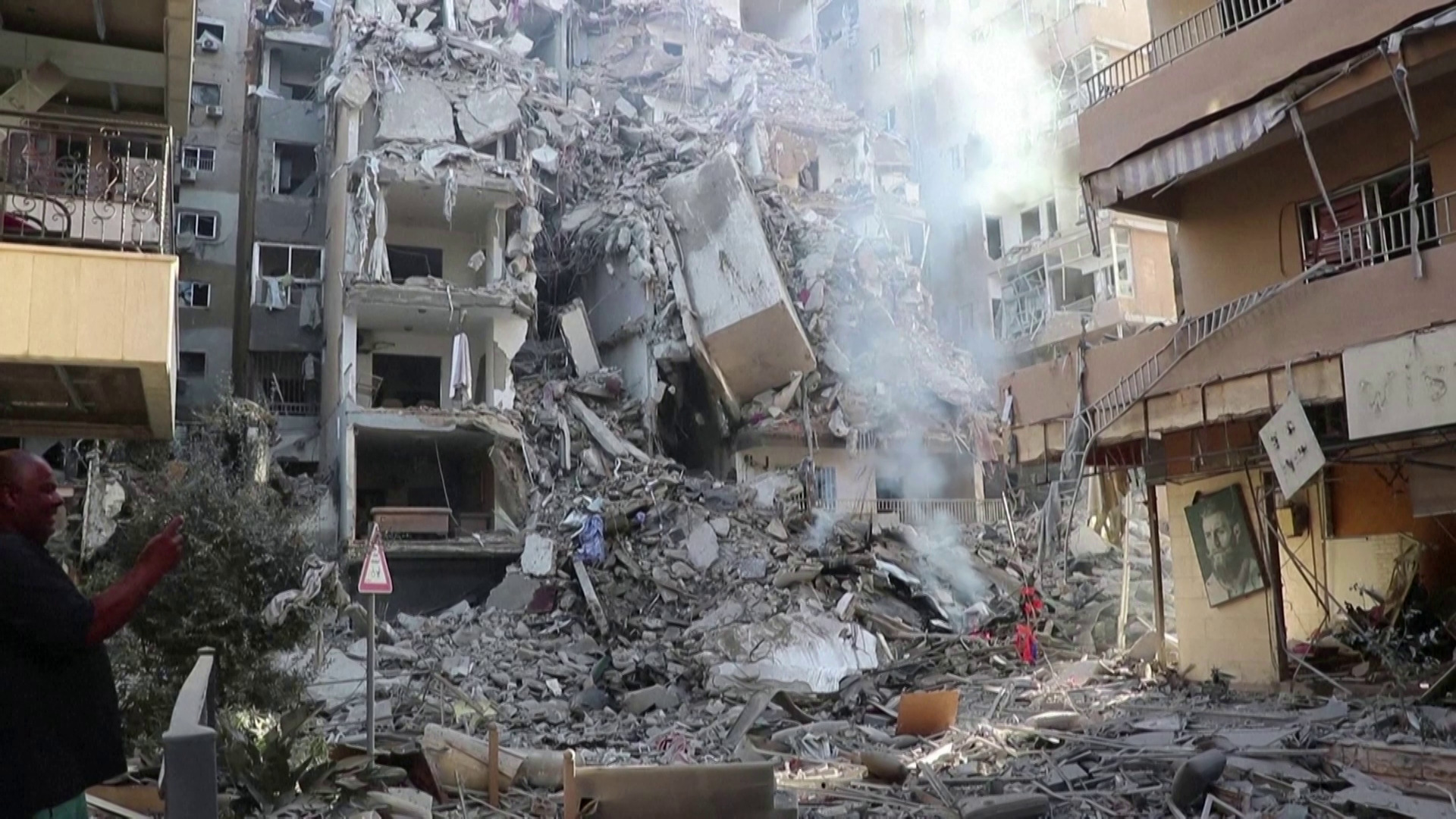
The southern regions of Lebanon are currently experiencing significant upheaval, characterized by a notable increase in Israeli military activities. This escalation has led to a substantial displacement of the local population, with numerous residents undertaking mass evacuations from their homes.
Reports from the ground indicate a heightened state of alert and a deteriorating security situation. The ongoing operations are reportedly widespread, affecting multiple communities along the border areas. Residents are seeking safety in more central parts of Lebanon, leaving behind their homes and livelihoods.
Impact on Civilian Populations
The primary consequence of the expanding military actions is the severe impact on civilian life. Families are being uprooted, often with little time to gather personal belongings. The humanitarian implications of such large-scale displacement are considerable, placing strain on host communities and aid organizations.
- Many evacuated individuals are seeking refuge with relatives or in temporary shelters.
- Concerns are growing regarding access to essential services, including food, water, and medical care, for those displaced.
- The long-term effects on the social and economic fabric of southern Lebanon are anticipated to be profound.
Regional Implications and International Response
The escalating situation in southern Lebanon is not isolated; it forms part of broader regional tensions. International bodies and various governments are closely monitoring the developments, with calls for de-escalation and the protection of civilians being voiced.
Observers suggest that the current intensification of activities poses a significant risk to the fragile stability of the wider Middle East, potentially leading to a broader regional confrontation if not managed effectively.
Efforts to mediate a ceasefire or to establish humanitarian corridors are likely to become more pressing as the situation evolves. The international community's response will be crucial in mitigating the immediate suffering and preventing further deterioration of the conflict.
Historical Context of Border Tensions
The border between Lebanon and Israel has historically been a flashpoint for conflict. Decades of geopolitical complexities and unresolved disputes have contributed to a volatile environment. The current expansion of Israeli attacks is viewed by many as a continuation of this long-standing pattern, albeit with increased intensity.
Understanding this historical context is vital for comprehending the current dynamics and the deep-seated fears among the civilian population. Each escalation adds another layer to the complex narrative of the region, making a lasting peace increasingly challenging to achieve.
Source: Al Jazeera