
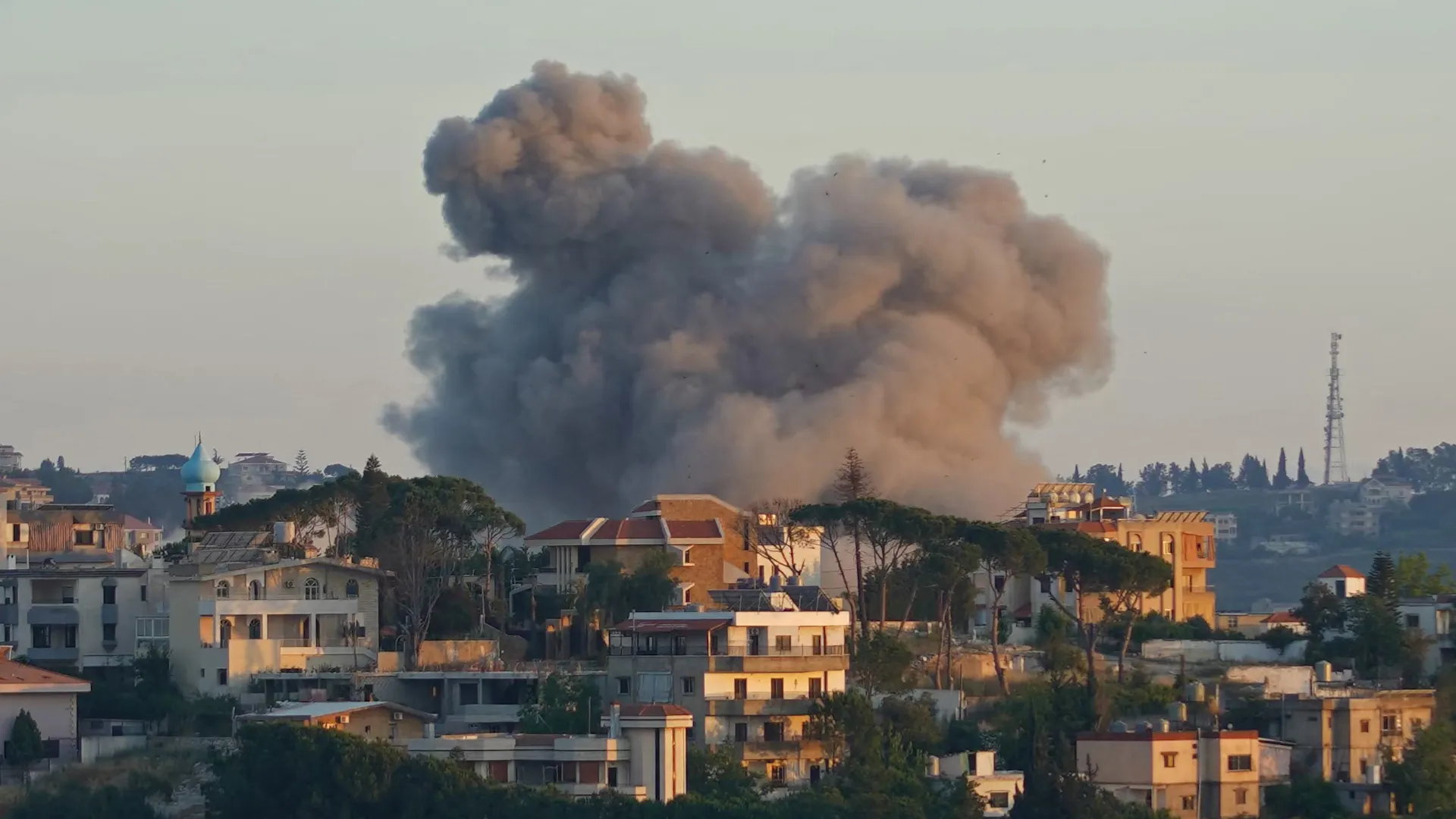
Continued Military Actions in Southern Lebanon
Recent reports indicate that Israeli military forces have maintained their operational activities in southern Lebanon. These actions have included aerial bombardments and other forms of engagement, particularly targeting towns and villages in the region. The sustained nature of these operations has reportedly led to renewed displacement orders for residents, exacerbating an already challenging humanitarian situation in the border areas.
Observers note that the continuation of these military activities occurs amidst a complex geopolitical landscape, where various international and regional actors are reportedly exploring avenues for de-escalation and potential diplomatic resolutions. The ongoing strikes and their humanitarian consequences highlight the persistent volatility in the region, drawing attention to the intricate balance between military strategy and diplomatic efforts.
Humanitarian Impact and Displacement
The impact of the ongoing military actions on the civilian population in southern Lebanon has been a significant concern. Reports from the ground describe a pattern of bombardment that has particularly affected residential areas. These strikes have reportedly prompted authorities to issue fresh displacement orders, compelling a considerable number of residents to evacuate their homes and seek refuge in safer locations.
The act of displacement, whether forced or voluntary due to fear, invariably places immense strain on individuals and communities. Families are uprooted, livelihoods are disrupted, and access to essential services such as healthcare, education, and shelter becomes precarious. Humanitarian organizations operating in the region face considerable challenges in providing adequate support to those affected, often contending with logistical hurdles and security risks. The cyclical nature of these displacements further complicates long-term recovery and stability efforts, creating a persistent state of uncertainty for the local populace.
"The humanitarian consequences of prolonged conflict are always severe, and the recent displacement orders in southern Lebanon underscore the urgent need for a cessation of hostilities and a focus on civilian protection," noted one aid worker familiar with the situation.
Regional Diplomatic Context
The ongoing military actions in southern Lebanon are unfolding within a broader regional context characterized by various diplomatic initiatives and discussions. Notably, statements have emerged from regional powers, including Iran, suggesting that Israel was part of a potential memorandum of understanding (MOU) with the United States. Such reports, if accurate, would signify a complex interplay between military actions on the ground and high-level diplomatic engagements.
A memorandum of understanding typically outlines a framework for cooperation or a mutual understanding between parties, often serving as a precursor to more formal agreements. The notion that Israel might be included in such a document, particularly one involving the United States, points to ongoing efforts to manage regional tensions and potentially establish new parameters for engagement among key players. However, the exact nature, scope, and implications of such a reported MOU remain subject to further clarification and confirmation from all involved parties.
Geopolitical Implications and Future Prospects
The juxtaposition of sustained military operations with reported diplomatic overtures creates a complex and often contradictory picture of the current geopolitical climate in the Middle East. It underscores the challenges inherent in achieving lasting peace and stability in a region marked by deep-seated conflicts and competing interests.
Analysts suggest that the continued military actions, even in the face of potential diplomatic pathways, could serve various strategic objectives. These might include maintaining deterrence, responding to perceived threats, or asserting military capabilities. Conversely, the diplomatic efforts, if successful, could offer a mechanism for de-escalation and the prevention of broader regional conflict. The ultimate outcome will likely depend on the willingness of all parties to adhere to any potential agreements and to prioritize long-term stability over short-term military gains.
The international community continues to monitor the situation closely, with many calling for restraint and a renewed focus on diplomatic solutions to address the underlying causes of the conflict. The path forward remains uncertain, but the current events highlight the urgent need for comprehensive and sustained efforts to mitigate humanitarian suffering and foster a more stable regional environment.
Source: Israel attacks Lebanon despite being included in potential peace deal
Related Articles
 world
world
Global Water Crisis: Satellite Imagery Reveals Ten Disappearing Freshwater Sources
 world
world
Escalating Tensions: Israeli Actions in Lebanon Jeopardize US-Iran Agreement
 world
world
G7 Leaders Pledge Enhanced Support for Ukraine and Stricter Sanctions on Russia
 world
world