
Strait of Hormuz Becomes Perilous for Indian Seafarers Amid US-Iran Standoff
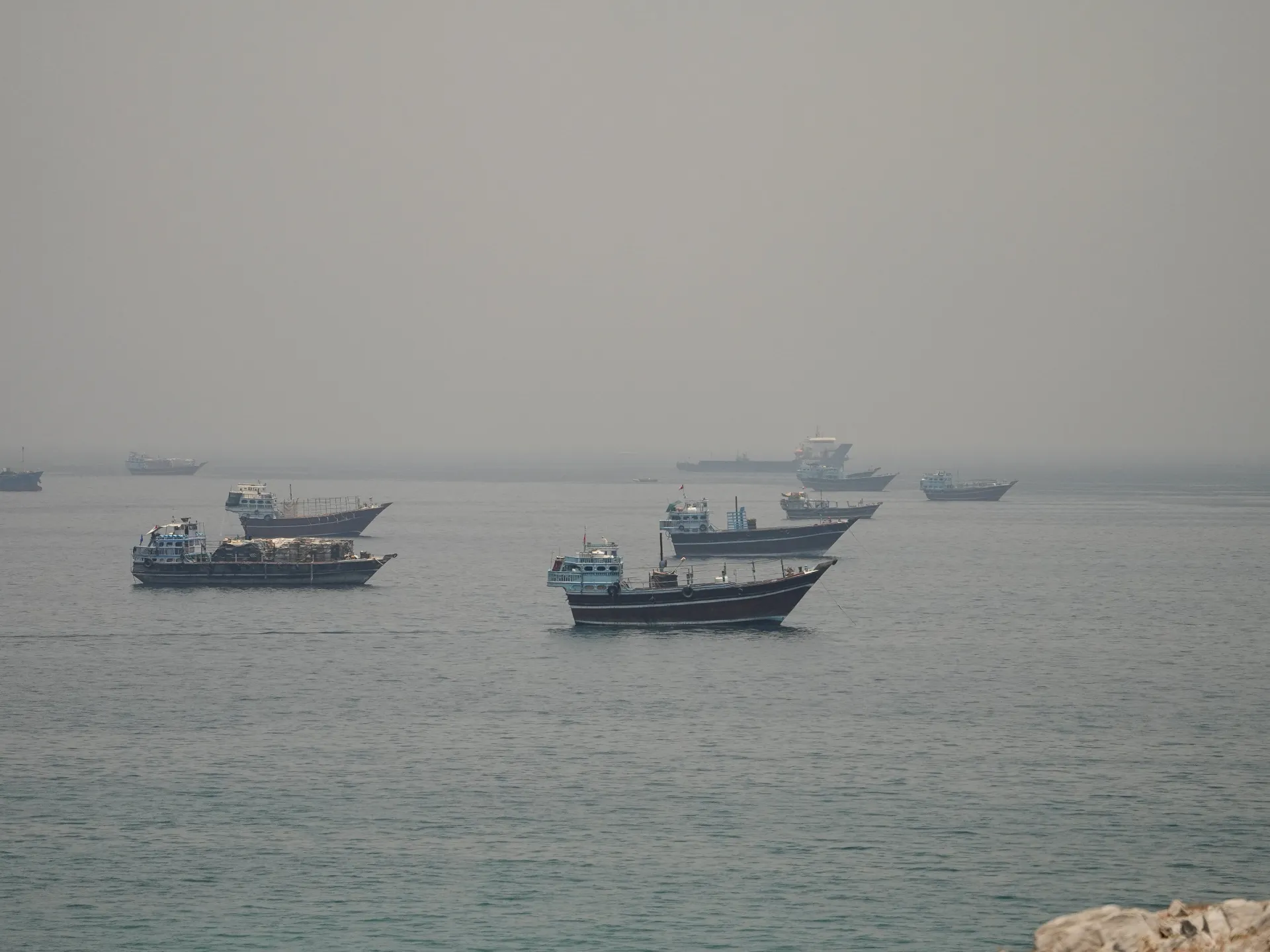
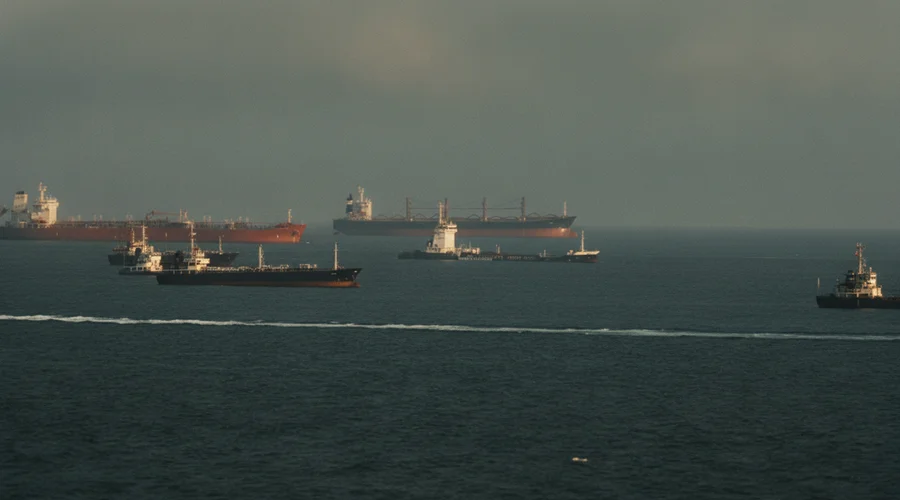
The Strait of Hormuz, a critical global shipping lane, has recently become a deadly flashpoint for Indian merchant sailors, despite ongoing diplomatic efforts to maintain a ceasefire between the United States and Iran. In a series of incidents this week, US military actions targeting commercial vessels suspected of violating a naval blockade against Iranian ports have led to the deaths of three Indian seafarers. This development has not only intensified the humanitarian crisis for those working in the region but also strained the diplomatic relationship between Washington and New Delhi.
The Indian government has reacted strongly to these events, summoning a senior US diplomat in New Delhi to demand clarification regarding the strikes. These incidents occurred even as US President Donald Trump and Iranian officials expressed cautious optimism about extending a ceasefire, initially brokered in April by Pakistan, highlighting the complex and often contradictory dynamics at play in the region.
Details of Recent Attacks
Over the past four days, the US military has targeted at least three commercial vessels, each with Indian crew members aboard. The first reported incident involved the Palau-flagged Marivex ship. Manoj Yadav, general secretary of the Forward Seamen’s Union of India, recounted receiving urgent distress calls from the crew on Monday. Messages described a missile strike on the engine room, a fire onboard, and the vessel taking on water. All 24 Indian crew members were subsequently rescued by the Omani military.
US Central Command (CENTCOM) later confirmed that an F-18 Super Hornet fighter jet from the USS Abraham Lincoln aircraft carrier had fired a precision munition into the ship's engineering and steering spaces to disable what it described as a sanctioned vessel. The following day, the Palau-flagged Settebello was struck, resulting in the deaths of three Indian sailors. US forces justified this action by stating the vessel had violated the ongoing blockade of Iranian ports. The remaining 21 Indian crew members were successfully rescued.
A third incident on Thursday involved the MT Jalveer, with 20 Indian crew members, off Oman’s Shinas port. CENTCOM also reported disabling another tanker in the Gulf of Oman for attempting to transport Iranian oil, further underscoring the aggressive enforcement of the blockade. Yadav expressed grave concern over the escalating attacks, suggesting that the US military's use of lethal force against commercial ships, rather than non-lethal interdiction methods, is directly endangering civilian lives. He questioned the necessity of firing missiles at unarmed commercial vessels, which are not warships and pose no direct threat.
International and Diplomatic Reactions
Iran's foreign ministry spokesperson, Esmaeil Baghaei, condemned the US actions as 'brutal attacks' and 'state piracy,' calling on the international community to hold the United States accountable for its conduct, which he argued threatens global peace, security, and freedom of navigation. The Secretary-General of the International Maritime Organization (IMO), Arsenio Dominguez, also issued a strong condemnation, emphasizing that any actions endangering seafarers' lives and international shipping safety are 'unacceptable.'
India's response has been firm. Besides summoning the US diplomat, India's Shipping Minister Sarbananda Sonowal confirmed the tragic deaths aboard the MT Settebello. Randhir Jaiswal, spokesperson for India's foreign ministry, reiterated the call for an immediate cessation of these attacks and urged for dialogue and diplomacy to restore peace and stability in the region. The incidents are expected to be a significant point of discussion when US President Donald Trump meets his Indian counterpart, Narendra Modi, at the upcoming G7 summit in France.
Legality of Targeting Non-Combatant Vessels
The legality of these strikes on non-combatant ships in the Strait of Hormuz is a contentious issue. The Strait, while passing through the territorial waters of Oman and Iran, is subject to international maritime law, specifically the United Nations Convention on the Law of the Sea (UNCLOS). UNCLOS Article 38 grants all ships and aircraft the 'right of transit passage,' which cannot be suspended. Furthermore, Article 17 allows foreign ships 'innocent passage' through territorial waters, provided it is not 'prejudicial to the peace, good order or security of the coastal state.'
Under international humanitarian law, deliberately targeting non-combatant ships is illegal. Jason Chuah, a professor of maritime law, noted that while a blockade might be permissible under the laws of war, the question of proportionality is critical. He argued that firing on a tanker and killing its crew likely exceeds what is considered proportionate force. While acknowledging that the threshold of force for enforcing a blockade in wartime might be higher than in peacetime, potentially allowing for capture or destruction in narrow circumstances, Chuah asserted that justifying or excusing the intentional killing of civilian merchant seafarers would be an 'intellectual contortion.'
Protections for Indian Seafarers
With over 300,000 Indian sailors serving global fleets, their safety is a significant concern for India. The Merchant Shipping Act, 1958, provides a framework for grievances and redressals, and protects seafarers' rights, including those injured at sea. In cases of death or injury on a foreign-registered ship in international waters, the flag administration is responsible for the investigation, with India participating as an observer. If such an incident occurs near the Indian coast, an Indian officer can investigate.
The Maritime Union of India also offers legal and financial aid, supplementing the insurance and compensation provided by ship owners. However, an anonymous Indian merchant navy captain highlighted that protections are minimal if a ship chooses to transit through blockaded straits. He suggested that flag states should initiate collective action through multinational naval task forces, such as the United Nations, to ensure the protection of merchant ships during passage.
This ongoing situation underscores the severe risks faced by civilian seafarers in conflict zones and the urgent need for adherence to international maritime law to prevent further loss of innocent lives.
Source: Original Article
Related Articles
 world
world
Global Water Crisis: Satellite Imagery Reveals Ten Disappearing Freshwater Sources
 world
world
Escalating Tensions: Israeli Actions in Lebanon Jeopardize US-Iran Agreement
 world
world
G7 Leaders Pledge Enhanced Support for Ukraine and Stricter Sanctions on Russia
 world
world