
Introduction to the Diplomatic Engagements
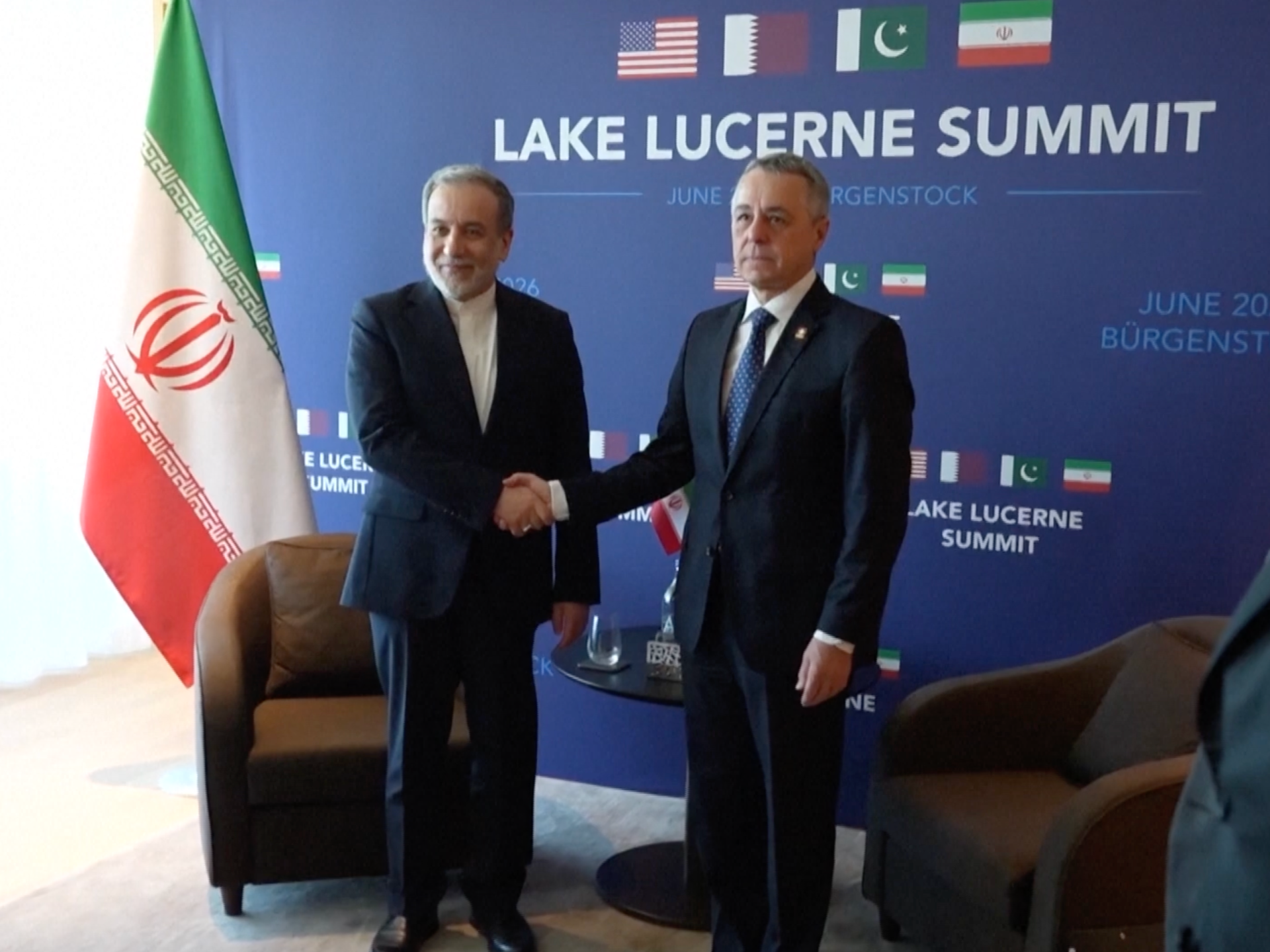
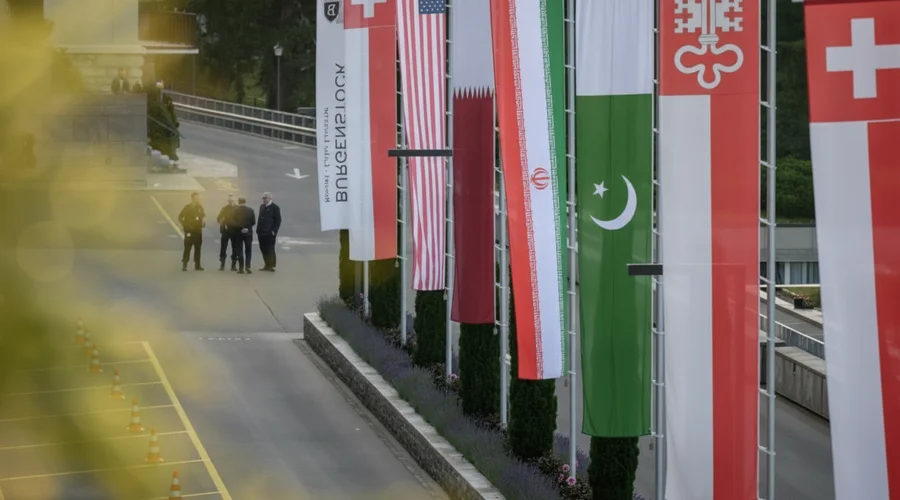
In a significant development for international diplomacy, delegations from the United States and Iran have arrived in Switzerland to participate in high-level talks. These discussions, taking place at a hotel, represent a concerted effort to foster dialogue and potentially de-escalate tensions between the two nations. The presence of senior officials from both sides underscores the gravity and potential impact of these diplomatic endeavors.
The current round of meetings is being facilitated by various parties, highlighting the complex web of international relations and the role of neutral intermediaries in fostering communication between states with strained relationships. Switzerland has historically served as a critical venue for such sensitive diplomatic interactions, leveraging its long-standing tradition of neutrality to create an environment conducive to negotiation and understanding.
Key Representatives Present
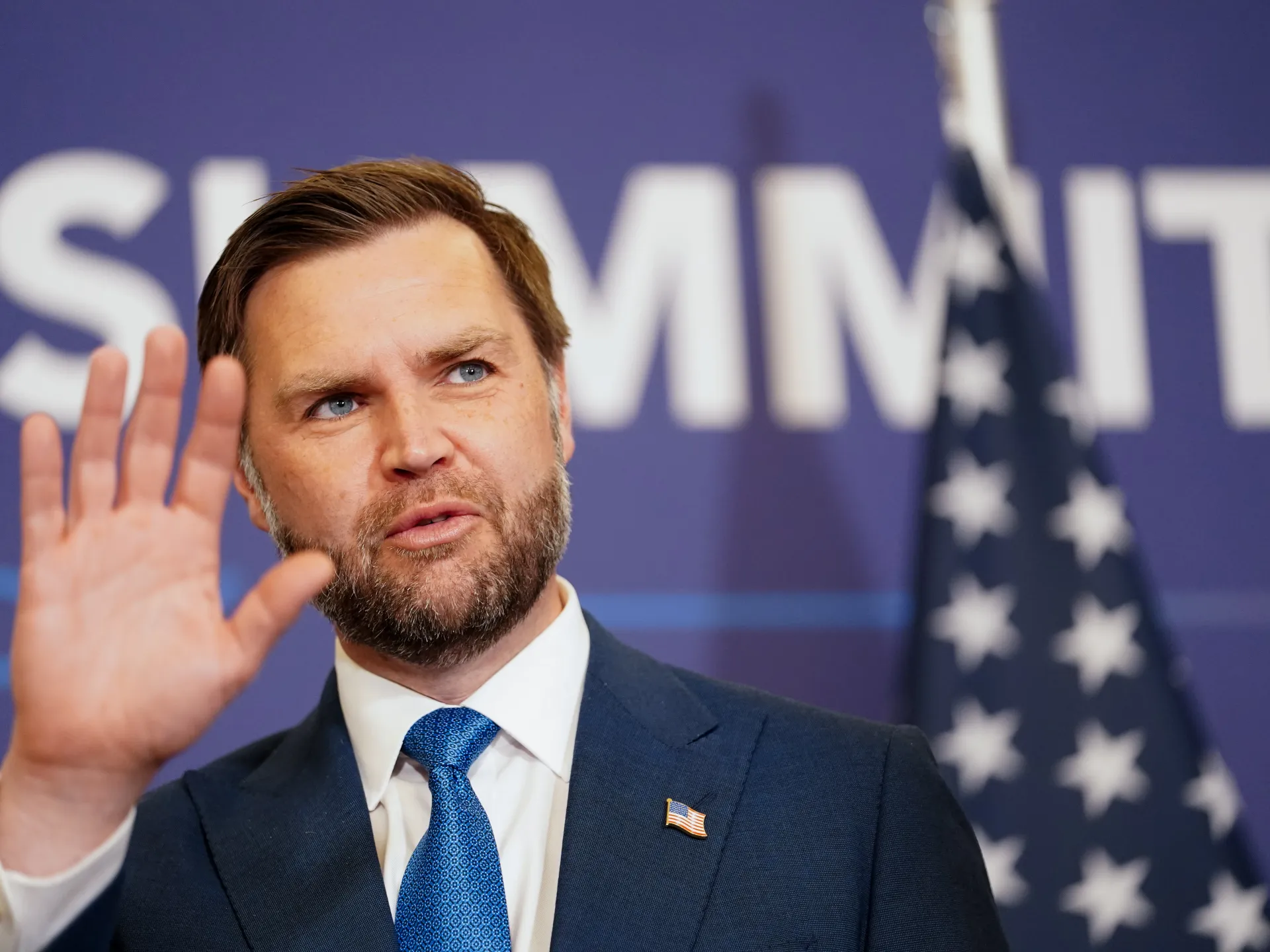
On the American side, a delegation including notable figures such as JD Vance, Steve Witkoff, and Jared Kushner has been observed engaging with Pakistani mediators. The involvement of such high-profile individuals from the U.S. suggests a serious commitment to the discussions. Their presence indicates that the U.S. administration is keen on exploring all avenues for dialogue and resolution, potentially through various channels of communication.
The participation of Pakistani mediators is particularly noteworthy. Pakistan has, at various points, played a role in facilitating communications between the U.S. and Iran, reflecting its unique geopolitical position and its relationships with both countries. This mediation effort could be instrumental in bridging gaps and conveying messages between the primary parties, offering an additional layer of diplomatic engagement.
Meanwhile, Iranian officials, including Foreign Minister Abbas Aragchi and chief negotiator Bagher Ghalibaf, have met with their Swiss hosts. The presence of Iran's Foreign Minister signifies the high level of authority and importance the Iranian government places on these discussions. Foreign Minister Aragchi, a seasoned diplomat, has been involved in numerous international negotiations previously, bringing a wealth of experience to the table.
Bagher Ghalibaf, as chief negotiator, is expected to articulate Iran's positions and objectives during these talks. His role is crucial in outlining the specific points of discussion and potential areas of agreement or disagreement from the Iranian perspective. The direct engagement with Swiss hosts further emphasizes the structured and formal nature of these diplomatic proceedings.
The Broader Context of US-Iran Relations
The convening of these talks occurs against a backdrop of complex and often fraught relations between the United States and Iran. For decades, the two nations have been at odds over a range of issues, including Iran's nuclear program, regional security concerns, human rights, and economic sanctions. These points of contention have frequently led to periods of heightened tension, making direct dialogue all the more critical.
Previous attempts at diplomacy have yielded mixed results, with some breakthroughs followed by renewed impasses. The current talks in Switzerland, therefore, carry significant weight as both countries seek to navigate these long-standing challenges. The international community largely views such direct engagements as essential for promoting stability in the Middle East and preventing further escalation of conflicts.
“The path to resolution between nations with deep-seated differences is often long and arduous, but direct dialogue remains the most vital tool in preventing conflict and fostering mutual understanding. Switzerland's role as a neutral ground is indispensable in these delicate processes.”
Potential Aims and Outcomes
While the specific agenda for these high-level talks has not been fully disclosed, it is reasonable to infer that a multitude of critical issues are on the table. Discussions may encompass topics related to regional security, aiming to reduce proxy conflicts and stabilize areas of mutual concern. Economic relations, including the impact of sanctions and potential avenues for economic relief, are also likely to be central to the conversations.
Furthermore, the talks could address humanitarian concerns and explore ways to improve bilateral communication channels to prevent misunderstandings and miscalculations. The ultimate goal for both sides is likely to find common ground that could lead to a more stable and predictable relationship, even if a full normalization of ties remains a distant prospect.
The role of mediators, such as Pakistan, alongside the neutral hosting by Switzerland, is crucial in facilitating open communication and ensuring that each party's perspectives are heard and understood. These intermediaries can help to bridge diplomatic gaps and build trust, which is often a prerequisite for progress in such sensitive negotiations.
Looking Ahead
As the talks progress in Switzerland, observers worldwide will be closely watching for any signs of breakthroughs or, conversely, any indications of continued deadlock. The very act of high-level delegations meeting is, in itself, a positive step, signaling a willingness from both the U.S. and Iran to engage directly on critical matters. The outcome of these discussions could have far-reaching implications for regional stability and international relations.
The diplomatic process is inherently incremental, and significant resolutions rarely emerge from a single round of talks. However, establishing and maintaining channels of communication, particularly between adversaries, is a fundamental component of effective foreign policy. The ongoing meetings in Switzerland represent a continuation of these vital diplomatic efforts, offering a glimmer of hope for future progress in US-Iran relations.
Source: Al Jazeera
Related Articles
 world
world
US Vice President Vance Arrives in Switzerland for Critical US-Iran Peace Negotiations Amid Regional Tensions
 world
world
High-Stakes Diplomatic Efforts Underway Between US and Iran in Switzerland
 world
world
US and Iran Engage in High-Level Talks in Switzerland Amidst Regional Tensions
 world
world