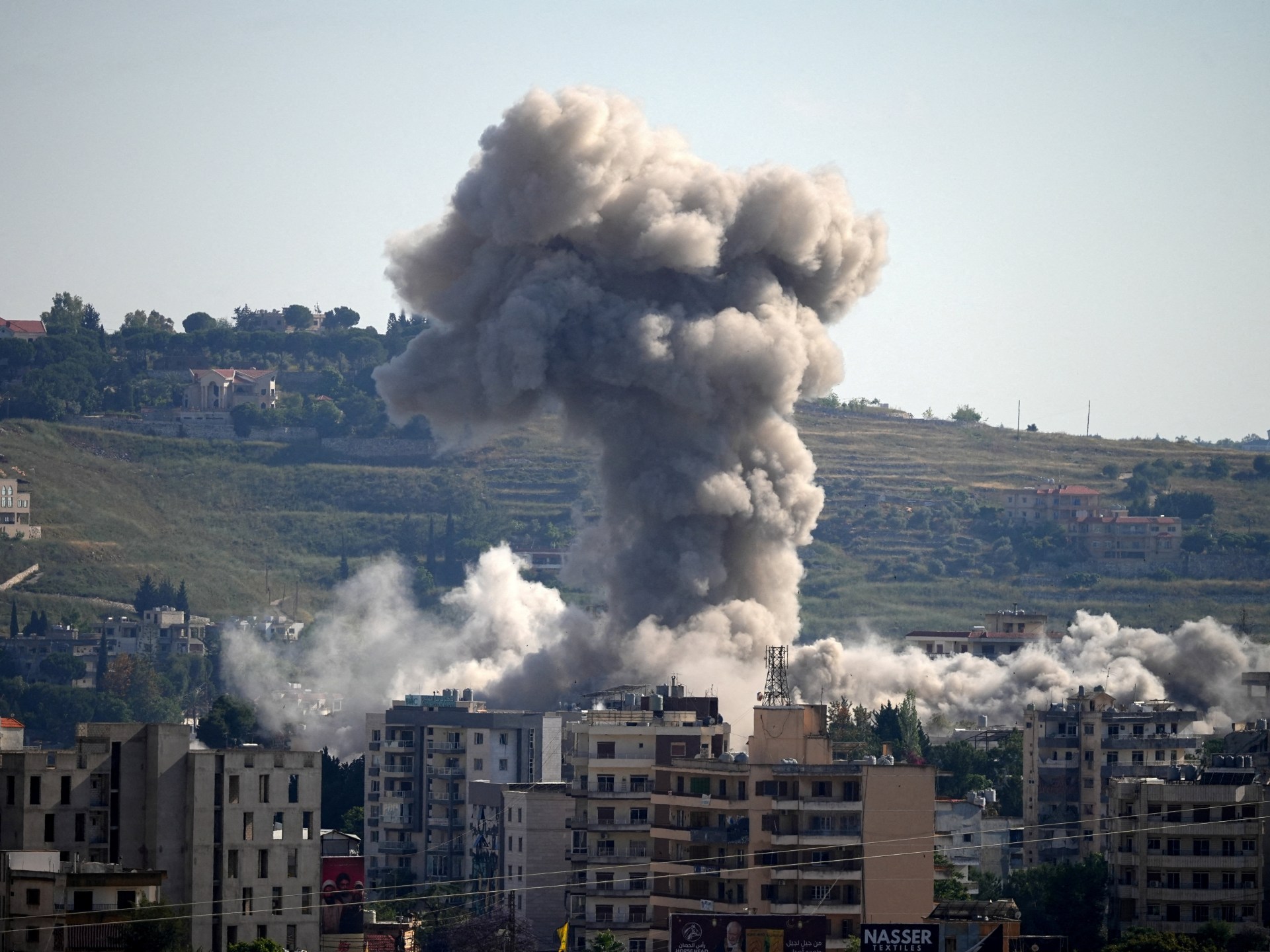
Escalation of Hostilities
The ongoing conflict between Ukraine and Russia has recently witnessed an uptick in cross-border military actions, with both nations employing drone technology and other weaponry. These exchanges have resulted in damage to critical infrastructure and disruptions to essential services, affecting residents in various regions.
Impact on Ukrainian Infrastructure
In Ukraine, the southeastern city of Zaporizhzhia experienced significant power outages following recent strikes. Reports indicate that approximately 13,000 residents in the area were left without electricity. Such incidents highlight the vulnerability of civilian infrastructure to the ongoing hostilities and the direct impact on daily life for those living in conflict zones.
Russian Facilities Targeted
Concurrently, Ukrainian forces have reportedly targeted Russian territory, with a particular focus on energy infrastructure. One notable incident involved a drone strike on a Russian oil facility. While specific details regarding the extent of the damage and the facility's location were not immediately available, such attacks suggest an ongoing strategy to disrupt Russia's economic and military capabilities through strikes on key resources.
Broader Context of the Conflict
These recent events are part of a broader pattern of tit-for-tat attacks that have characterized the conflict for an extended period. Both Kyiv and Moscow have frequently accused each other of initiating strikes on civilian areas and vital infrastructure. The use of unmanned aerial vehicles (UAVs), or drones, has become a prominent feature of the conflict, allowing for targeted strikes at a distance, though often with unintended consequences for civilian populations.
The strategic objectives behind these attacks vary. For Ukraine, targeting Russian energy infrastructure may aim to exert economic pressure and disrupt the logistical support for Russian military operations. For Russia, strikes on Ukrainian cities and infrastructure are often described as responses to perceived Ukrainian aggressions or as attempts to degrade Ukraine's ability to resist.
The continuous exchange of strikes underscores the persistent and evolving nature of the conflict, with both sides adapting their tactics and targets in response to the operational environment.
Humanitarian Concerns
Beyond the immediate material damage, these intensified strikes raise significant humanitarian concerns. Power outages, as experienced in Zaporizhzhia, can affect heating, water supply, and communication, particularly challenging for vulnerable populations. The constant threat of attacks also contributes to psychological distress and instability among residents in affected regions.
International observers continue to monitor the situation, often reiterating calls for de-escalation and protection of civilian lives and infrastructure. However, the current trajectory suggests a continued reliance on military action, with significant implications for regional stability and the well-being of the civilian populations caught in the crossfire.
Source: Original Article