Shifting Dynamics in the Strait of Hormuz
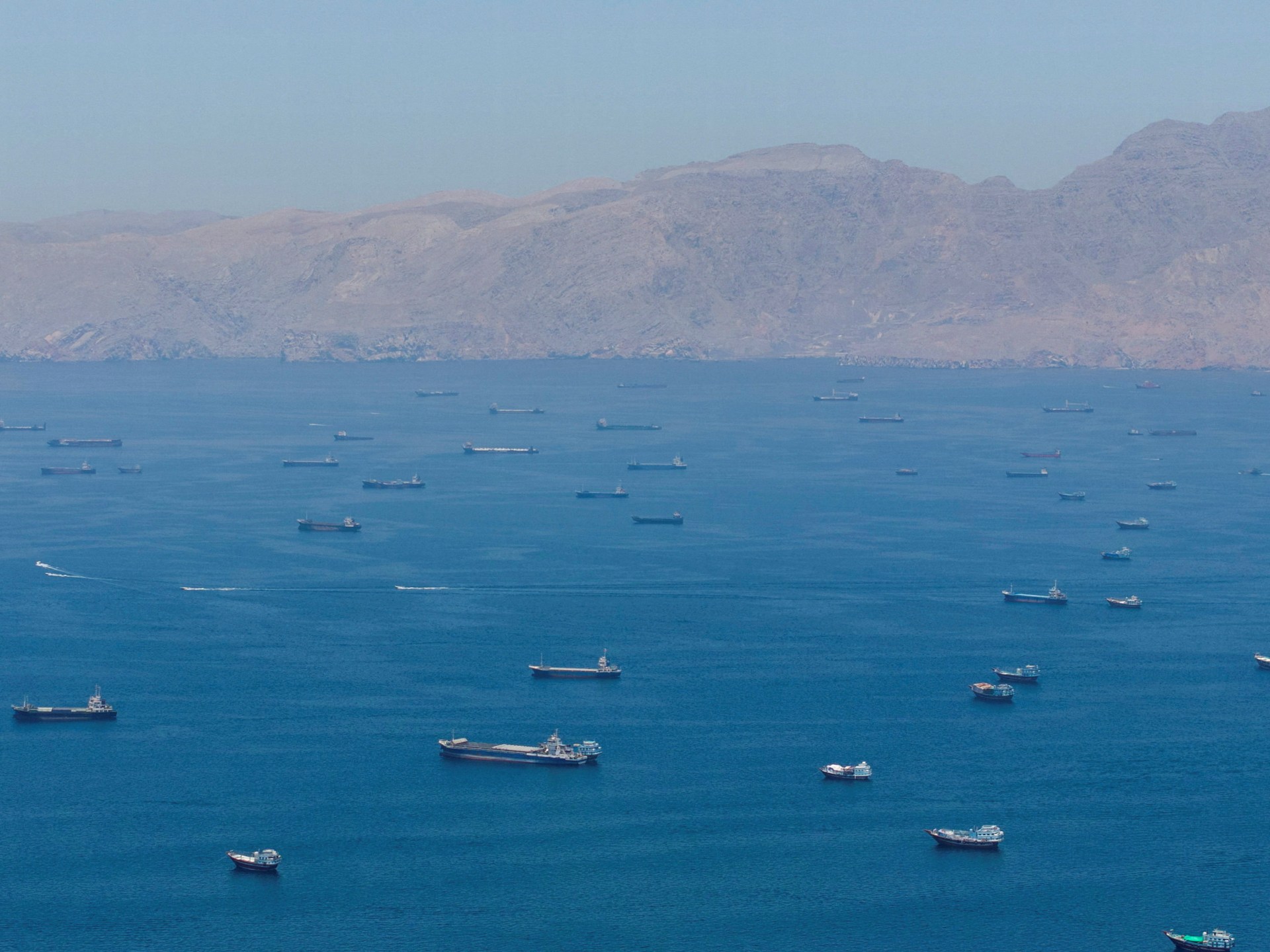
The Strait of Hormuz, a critical maritime chokepoint, has historically been viewed through the lens of potential closure. However, the evolving geopolitical landscape suggests that its future may be characterized not by outright blockage, but by a more nuanced concept of conditional access. This shift implies that even if the strait remains physically open, the certainty of unhindered passage for international shipping, particularly oil tankers, could be significantly diminished. This new paradigm has profound implications for global energy markets, international trade, and the confidence of nations reliant on this vital waterway.
The Erosion of Unconditional Access
For decades, the principle of freedom of navigation through international straits has been a cornerstone of global maritime law and trade. The Strait of Hormuz, linking the Persian Gulf with the Arabian Sea and beyond, has been a testament to this principle, facilitating the transit of a substantial portion of the world's oil supply. The recent period of heightened tensions and security incidents in the region, however, has begun to erode this long-held assumption of unconditional access. Even without a full closure, the threat of harassment, interdiction, or arbitrary restrictions by regional actors introduces an element of unpredictability that is detrimental to global supply chains.
This erosion of confidence stems from several factors. The increased militarization of the region, the deployment of advanced naval capabilities by various states, and the willingness of some actors to challenge established norms of international shipping contribute to an environment where passage is no longer guaranteed. Shipowners and insurers, facing escalating risks and premiums, are compelled to factor in these new uncertainties, potentially leading to higher transportation costs and altered shipping routes.
Economic Repercussions and Strategic Adjustments
The economic repercussions of conditional access are far-reaching. For oil-exporting nations in the Persian Gulf, the reliability of their export routes is paramount. Any perceived instability in the Strait of Hormuz can deter investment, impact oil prices, and force a reevaluation of energy export strategies. Importing nations, particularly those heavily dependent on Middle Eastern oil, will also face increased vulnerability. The strategic imperative to diversify energy sources and shipping routes will likely intensify, prompting investments in alternative pipelines, liquefied natural gas (LNG) terminals, and renewable energy projects.
The shift from an assumption of open access to one of conditional access fundamentally alters the risk calculus for global trade and energy security. This is not merely a tactical adjustment but a strategic recalibration with long-term implications.
Furthermore, the uncertainty surrounding the strait's accessibility could accelerate efforts by some countries to develop bypass routes or enhance their strategic oil reserves. This could include expanding pipeline networks that circumvent the strait or investing in port infrastructure outside the Persian Gulf. While such measures offer a degree of resilience, they are often costly and time-consuming to implement, and may not fully mitigate the immediate risks.
Impact on Global Confidence and International Relations
Beyond the immediate economic and logistical challenges, the most significant long-term consequence of conditional access in the Strait of Hormuz may be the erosion of global confidence in the stability of international maritime trade. When a critical chokepoint becomes subject to political leverage or security threats, it undermines the predictability essential for a smoothly functioning global economy. This lack of confidence can deter foreign investment, disrupt long-term trade agreements, and even impact diplomatic relations between states.
International organizations and major maritime powers will likely face increased pressure to address the issue of conditional access. This could involve enhanced naval patrols, diplomatic initiatives to de-escalate regional tensions, or the establishment of new international frameworks to ensure freedom of navigation. However, given the complex interplay of regional rivalries and international interests, achieving a consensus on such measures will be a significant challenge.
In conclusion, the future of the Strait of Hormuz appears to be moving beyond the binary of open or closed. Instead, a more intricate reality of conditional access is emerging, one that demands a fundamental reassessment of global energy security, trade logistics, and international cooperation. The task ahead for the international community is to navigate this new era, striving to restore a measure of predictability and confidence in this indispensable waterway.
Source: Al Jazeera