
Beijing Extends Support to Middle Eastern Nations
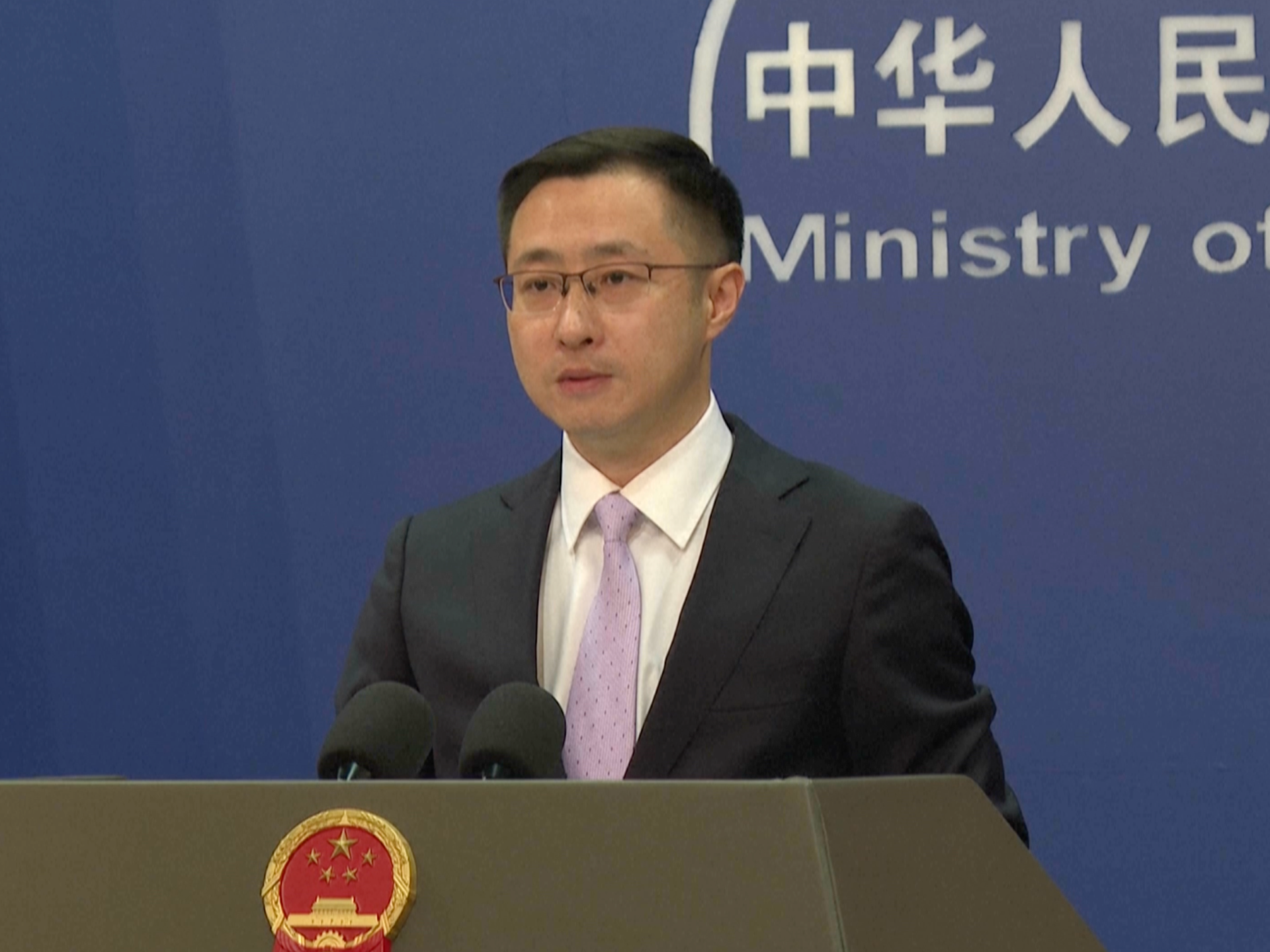
The People's Republic of China has announced a forthcoming delivery of humanitarian aid packages destined for Lebanon and Iran. This initiative is coupled with a broader commitment from Beijing to actively contribute to the promotion of peace and stability across the Middle East. The Chinese Ministry of Foreign Affairs articulated a deep sense of sorrow regarding the ongoing humanitarian crises impacting these nations, underscoring the urgency of international support.
This declaration comes at a time when both Lebanon and Iran are navigating complex socio-economic and political landscapes, exacerbated by regional tensions. Lebanon, in particular, has been grappling with a severe economic downturn, political instability, and the lingering effects of the 2020 Beirut port explosion, which devastated significant parts of its capital and displaced thousands. The country's healthcare system and essential services have been under immense strain, leading to widespread shortages of crucial supplies, including medicines and fuel. The continuous influx of refugees from neighboring conflict zones further compounds the humanitarian challenges, placing additional pressure on already stretched resources. International organizations and various governments have been providing assistance, but the scale of the crisis necessitates sustained and robust support.
Iran, on the other hand, has faced its own set of difficulties, including the impact of international sanctions, which have affected its economy and its ability to procure certain essential goods. The country has also been contending with natural disasters and health crises, which have placed a significant burden on its infrastructure and public services. While Iran possesses substantial natural resources, the intricate interplay of geopolitical factors and domestic challenges has created pockets of humanitarian need. China’s decision to extend aid to both countries reflects a recognition of these multifaceted challenges and an apparent desire to play a constructive role in alleviating suffering.
China's Evolving Role in Middle Eastern Diplomacy
Beyond the immediate provision of aid, China's statement emphasizes its intention to be an active participant in fostering regional peace. This aligns with a noticeable trend in recent years where Beijing has sought to expand its diplomatic footprint in the Middle East, moving beyond its traditional focus on economic engagement. China has increasingly positioned itself as a potential mediator in regional disputes, advocating for dialogue and de-escalation. This approach is rooted in China's foreign policy principles, which often stress non-interference in internal affairs while promoting multilateralism and peaceful resolution of conflicts.
The Middle East holds significant strategic importance for China, primarily due to its role as a crucial energy supplier and its position along the Belt and Road Initiative (BRI). Maintaining stability in the region is therefore vital for China's economic interests and its broader geopolitical ambitions. By offering humanitarian aid and signaling a commitment to peace, China aims to enhance its soft power and build goodwill among regional actors. This strategy contrasts with the approaches of some other global powers, which have historically been more directly involved in military and political interventions in the region.
Analysts suggest that China's growing engagement in the Middle East is part of a broader strategy to establish itself as a responsible global power and to offer an alternative model of international relations. Rather than forming exclusive alliances, China typically seeks to maintain good relations with multiple countries, focusing on economic cooperation and development. This allows Beijing to navigate the complex web of regional rivalries and maintain a degree of neutrality, which it believes can be conducive to mediation efforts.
The Scope and Impact of the Humanitarian Aid
While the specific details regarding the contents and logistics of the humanitarian aid packages have not been fully disclosed, such assistance typically includes essential items like food supplies, medical equipment, shelter materials, and other necessities for populations affected by crises. The impact of such aid can be significant, providing immediate relief to vulnerable communities and helping to stabilize critical sectors like healthcare and food security. For Lebanon, this aid could help address the severe shortages in medical supplies and food, while for Iran, it could mitigate some of the pressures on its public services.
The timing of this announcement is also noteworthy, coming amidst ongoing regional complexities. The gesture of humanitarian support can be seen as a diplomatic tool, reinforcing China's image as a compassionate global actor. It also sends a message to other international players about China's willingness to contribute to global stability and humanitarian efforts. As the Middle East continues to face a myriad of challenges, the role of international assistance and diplomatic engagement remains critical. China's pledge represents a tangible step in its evolving foreign policy towards a region of immense global importance.
Source: China pledges new humanitarian aid packages for Lebanon and Iran
Related Articles
 world
world
Global Water Crisis: Satellite Imagery Reveals Ten Disappearing Freshwater Sources
 world
world
Escalating Tensions: Israeli Actions in Lebanon Jeopardize US-Iran Agreement
 world
world
G7 Leaders Pledge Enhanced Support for Ukraine and Stricter Sanctions on Russia
 world
world