President Lula Expresses Concerns Over US 'Terror' Label for Brazilian Gangs
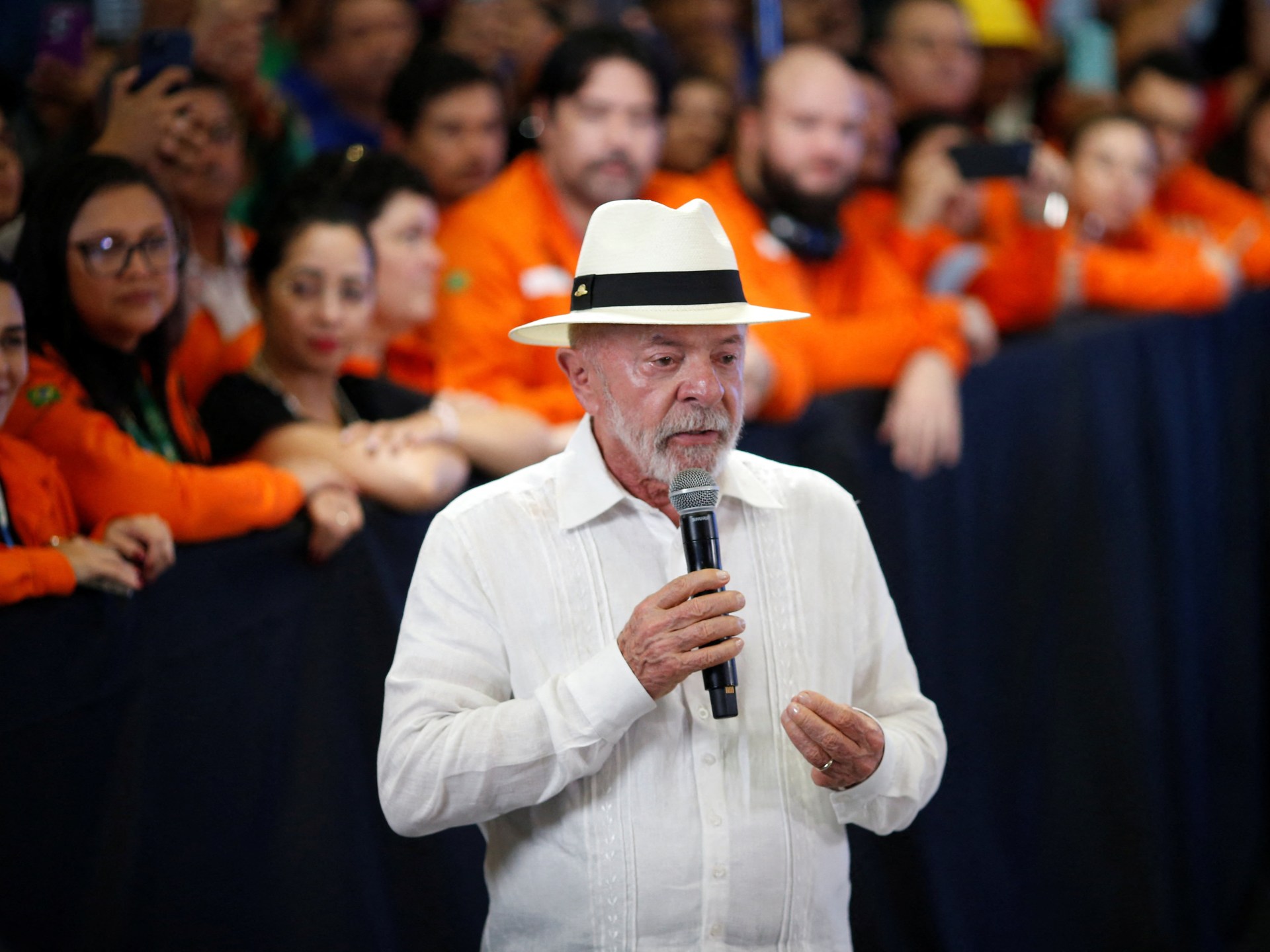
Brazilian President Luiz Inácio Lula da Silva has publicly criticized the notion of the United States designating Brazilian criminal networks as 'terrorist' organizations. Speaking out against such a move, President Lula indicated that this classification could potentially hinder and undermine the efforts of local law enforcement agencies within Brazil.
Potential Impact on Domestic Law Enforcement
The President's remarks highlight a concern that an external 'terror' designation might complicate, rather than assist, Brazil's ongoing battle against organized crime. He suggested that such a label could introduce new challenges or even legal obstacles for Brazilian authorities who are already engaged in complex operations to dismantle these groups. The specific mechanisms through which this undermining might occur were not detailed, but the general sentiment conveyed a potential disconnect between the international designation and practical, on-the-ground policing strategies.
Broader Implications for International Relations
While the immediate focus of President Lula's comments was on the operational impact within Brazil, the statement also carries broader implications for the diplomatic relationship between Brazil and the United States. Such a designation, if pursued by Washington, could be perceived by Brasília as an overreach or an attempt to impose a foreign framework on internal Brazilian issues. This could lead to diplomatic friction, particularly if Brazil feels its sovereignty in managing its internal security challenges is being challenged or bypassed.
Brazil has its own established legal and operational frameworks for addressing organized crime, which often involve a multi-faceted approach encompassing law enforcement, judicial processes, and social programs. The introduction of a 'terrorist' label from another nation might necessitate a re-evaluation of these domestic strategies or create a perceived need to align with international counter-terrorism protocols that may not perfectly fit the Brazilian context of combating drug trafficking, extortion, and other gang-related activities.
Historical Context of US Designations
The United States has a history of designating various groups worldwide as terrorist organizations, a move that typically triggers a range of sanctions, including asset freezes, travel bans, and restrictions on material support. These designations are often part of a broader foreign policy strategy aimed at disrupting the financial and operational capabilities of groups deemed a threat to U.S. national security or global stability. However, the application of such labels to criminal organizations operating primarily within a sovereign nation, without direct international terrorist links, can be a point of contention.
Brazilian criminal groups, while engaging in severe violence and illicit activities, are generally understood within Brazil as organized crime syndicates focused on profit and territorial control rather than ideological or political objectives typically associated with terrorism. This distinction is crucial for President Lula, as it suggests that the tools and tactics for combating these groups should remain within the realm of criminal justice and law enforcement, rather than being elevated to a counter-terrorism framework.
The Path Forward
The remarks from President Lula underscore the importance of dialogue and mutual understanding between Brazil and the United States on matters of security and crime. Should the U.S. consider such a designation, it would likely necessitate extensive consultations with Brazilian authorities to ensure that any actions taken are constructive and do not inadvertently complicate or hinder Brazil's existing efforts to maintain internal order and combat powerful criminal elements within its borders.
Source: Al Jazeera