
The Ideal of Unity and Present Realities
The FIFA World Cup 2026, which commenced on June 11, was designed as a collaborative venture between Mexico, the United States, and Canada, aiming to showcase a spirit of continental unity. This shared hosting arrangement, however, has been viewed by some as incongruous given the existing political dynamics, especially the United States' approach to international engagement and border management. The U.S. implements stringent visa regulations and travel prohibitions for citizens from numerous countries, which can limit access to the event for many, thereby undermining the World Cup's intended message of global camaraderie and inclusivity.
Furthermore, the U.S. shares a highly militarized border with Mexico, one of its co-hosts. Historical rhetoric from U.S. leadership has included threats of military action against Mexico and disparaging remarks about Mexican citizens. Reports in 2019 even suggested extreme measures for border control, such as proposals for shooting migrants or constructing moats. More recently, U.S. policy has effectively restricted asylum seekers and economic refugees at the border, a move that critics argue is particularly problematic given the U.S.'s perceived role in global instabilities that drive migration.
Economic Disparities and the Cost of the World Cup
The financial implications of the World Cup are significant, both for host nations and individuals. For instance, the cost of World Cup tickets can be substantial, often comparable to the funds migrants might pay to cross international borders in search of a safer or more economically viable life. This disparity highlights a stark contrast in priorities and circumstances globally.
Mexico's decision to co-host an expensive tournament has also faced internal criticism. Some argue that the extensive resources allocated to the World Cup could be better utilized addressing pressing domestic issues, such as the search for over 134,000 disappeared persons, many of whom vanished in the aftermath of the U.S.-backed 'war on drugs' initiated in 2006. The deployment of Mexican security forces, often associated with human rights concerns, around World Cup venues has also generated public discontent.
FIFA's Role and Controversies
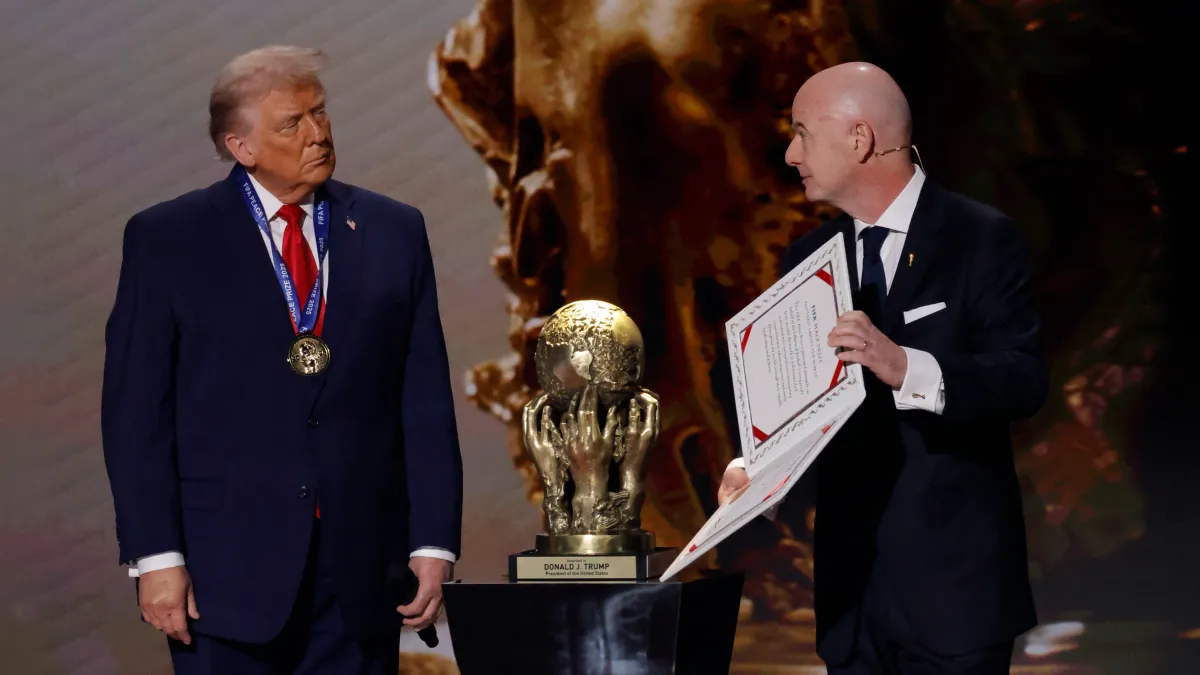
FIFA, the governing body of international football, has a history marked by allegations of corruption and ethical concerns. The organization's president, Gianni Infantino, has been criticized for actions perceived as politically motivated. Notably, he awarded the inaugural 'FIFA Peace Prize – Football Unites the World' to former U.S. President Donald Trump, an act that some interpreted as an attempt to curry favor. This award was presented despite ongoing global conflicts and criticisms of Trump's foreign policy, including his stance on the Israeli-Palestinian conflict and other international crises.
The awarding of this prize has been seen by some as incongruous with the principles of peace and unity, particularly given the documented casualties, including footballers, in conflicts like the one in Gaza. Canada, another co-host, also faces scrutiny regarding its involvement in international conflicts and arms trade, suggesting a broader pattern of geopolitical complexities among the host nations.
Border Policies and Tournament Participation
The U.S.'s border and immigration policies have directly impacted the World Cup's international participation. The Iranian football federation, for example, reportedly had its ticket allocation for matches in the U.S. revoked, and visas were denied to some of its staff. Similarly, a top Somali referee, Omar Artan, was denied entry to the U.S., preventing his participation in the tournament. Nationals from Haiti are also generally prohibited from entering the U.S., effectively barring Haitian fans from attending matches to support their team.
These restrictions are particularly notable given the historical involvement of the U.S. military in countries like Somalia and Haiti, creating a paradox where citizens from nations with a history of U.S. intervention are denied entry for a sporting event. The practice of mass detentions and deportations by the U.S. further complicates the notion of unity promoted by the World Cup. Additionally, the exorbitant cost of tickets has raised concerns about the event's accessibility, highlighting economic inequalities.
The Iranian World Cup team, for instance, has been based in Tijuana, Mexico, only permitted to enter the U.S. for matches before returning to Mexican soil. This arrangement mirrors past U.S. immigration policies that required non-citizens to remain in Mexico while awaiting U.S. immigration proceedings. Even for U.S. citizens, crossing the border can be a scrutinizing experience, as illustrated by an anecdotal account of a traveler being extensively questioned over a single piece of fruit.
The Politicization of the 'Beautiful Game'
While football has often provided a temporary escape from political realities, the current geopolitical landscape makes it challenging to separate the sport from broader international issues. Previous World Cups, such as the 2022 tournament in Qatar, offered moments of unifying beauty, like the Moroccan team's performance and their visible support for the Palestinian cause. However, the 2026 World Cup is unfolding against a backdrop of significant global tensions, particularly those fueled by U.S. foreign policy in the Middle East, which some argue diminishes the event's potential for universal joy and enthusiasm.
Despite these complexities, the appeal of the sport remains. The opening match between Mexico and South Africa still generated excitement for many viewers, even amidst the acknowledgment of the political undercurrents. However, the pervasive influence of U.S. border policies and international relations on the tournament means that the 'beautiful game' is inextricably linked to political realities, making it a less purely celebratory event for some.
Related Articles
 world
world
Global Water Crisis: Satellite Imagery Reveals Ten Disappearing Freshwater Sources
 world
world
Escalating Tensions: Israeli Actions in Lebanon Jeopardize US-Iran Agreement
 world
world
G7 Leaders Pledge Enhanced Support for Ukraine and Stricter Sanctions on Russia
 world
world