
North American Hosts Address Ebola Concerns for World Cup 2026
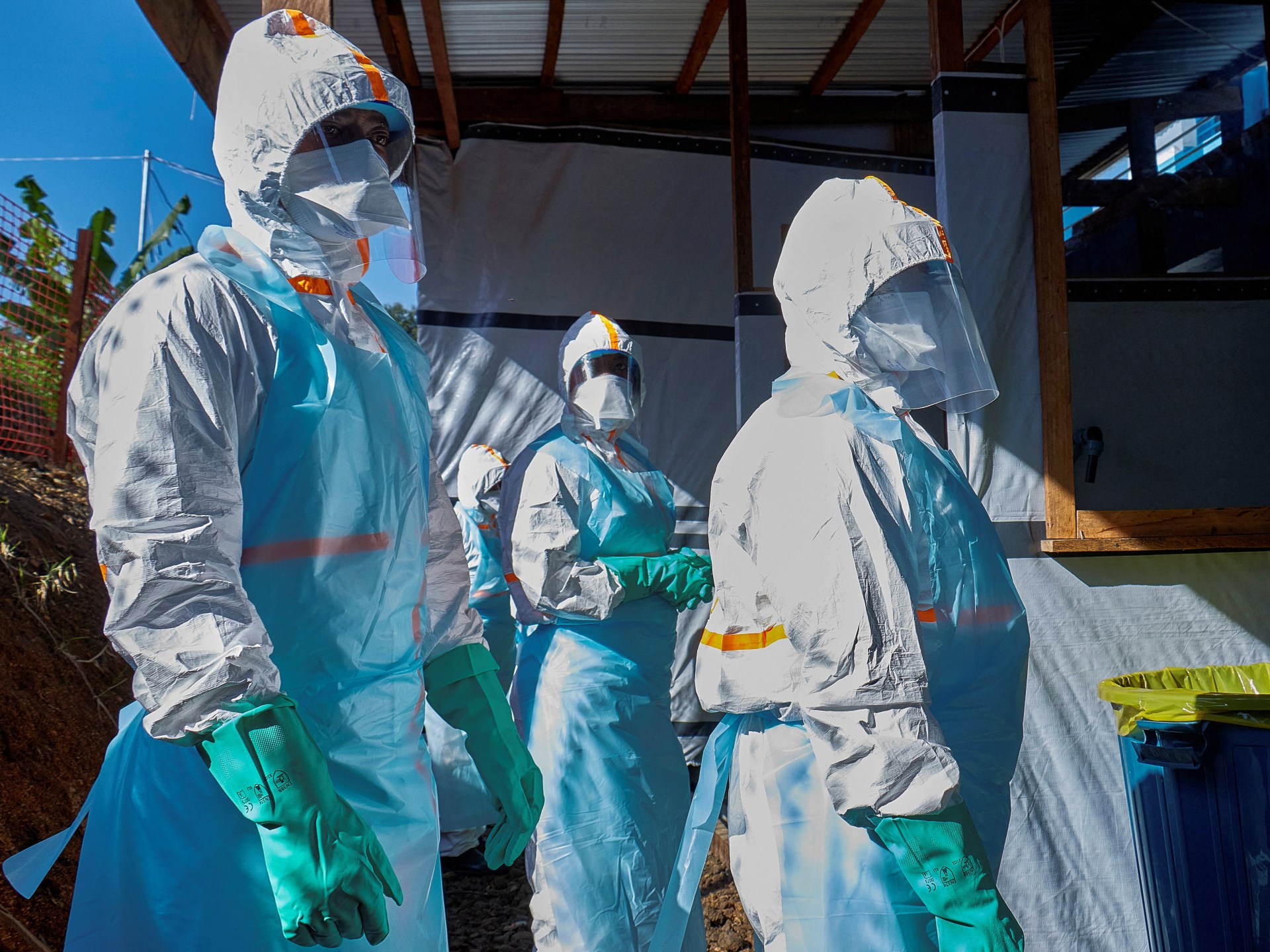
As the largest-ever World Cup approaches, set to be hosted across the United States, Canada, and Mexico, health officials in these nations are on high alert due to a significant outbreak of the Ebola virus in East Africa. The global sporting event is expected to draw over a million fans, prompting the hosts to enact comprehensive public health strategies to mitigate any potential spread of the virus.
The current outbreak, involving the rare Bundibugyo strain, was first identified in the Democratic Republic of the Congo (DRC) on May 15. Since then, it has tragically resulted in 86 deaths among 488 confirmed cases. The disease has also spread to neighboring Uganda, which has reported 19 cases and two fatalities. In response, Uganda has largely closed its western border with the DRC to control cross-border transmission, affecting local trade.
The World Health Organization (WHO) has officially declared this outbreak a “public health emergency of international concern.” The US Centers for Disease Control and Prevention (CDC) has cautioned that this could escalate into one of the most substantial Ebola epidemics on record, potentially rivaling the 2014-2016 West African crisis.
Travel Restrictions and Enhanced Screening Implemented
The three host nations have jointly announced “aligned public health travel measures for individuals coming from African regions at greatest risk from the Ebola virus.” While specific details of these coordinated measures were not fully disclosed in their joint statement, individual countries have outlined their protocols.
The United States, in May, prohibited entry to all non-citizens who had visited the DRC, Uganda, or South Sudan within the preceding 21 days. This ban was subsequently extended to include green card holders who had been in these countries during the same period. Several major US airports, including Washington Dulles and Hartsfield-Jackson Atlanta, have also initiated enhanced screening procedures for travelers arriving from affected regions.
Canada’s public health agency has imposed a temporary 90-day ban on residents from the DRC, Uganda, and South Sudan. Canadian citizens, permanent residents, and other foreign nationals who have been in these areas recently and are asymptomatic are required to quarantine for 21 days, a rule that became effective on May 30.
Mexico’s health secretary has similarly introduced tighter Ebola screening measures at airports, advising its citizens against non-essential travel to the DRC and recommending a 21-day quarantine for all arrivals from the country.
DRC Team Faces Preparatory Challenges
The Democratic Republic of the Congo, qualifying for the World Cup for the first time since 1974, has faced significant disruptions to its preparations. Due to the Ebola outbreak, the team canceled its planned training camp in the DRC and has instead based itself in Belgium.
Andrew Giuliani, executive director of the White House Task Force for the World Cup, confirmed that the Congolese delegation must maintain a strict 21-day isolation bubble in Belgium to be granted entry into the US. Further complications arose when a scheduled warm-up match against Chile in Spain was canceled over virus transmission fears. Juan Franco, the mayor of La Linea de la Concepcion, where the match was to be held, issued a decree banning the game. DRC coach Sebastien Desabre expressed the team's adaptability and offered to play the match behind closed doors.
During the tournament, the DRC team is scheduled to be based in Houston, Texas, for their opening Group K match against Portugal on June 17. Subsequent matches include Colombia in Guadalajara, Mexico, on June 24, and Uzbekistan in Atlanta, Georgia, US, on June 28.
Monitoring and Emergency Preparedness
To proactively address potential health concerns, Boston University’s Center on Emerging Infectious Diseases will be actively monitoring the World Cup for any outbreaks of infectious diseases. Their Biothreats Emergence Analysis and Communications Network (BEACON) program aims to keep health officials, participants, and the global community informed and safe.
Additionally, the National Special Pathogen System (NSPS) recently conducted a tabletop exercise, simulating responses to disease outbreaks during the tournament. This mock scenario, which focused on a Middle East Respiratory Syndrome outbreak, underscored the critical importance of timely actions, coordinated efforts, and comprehensive planning in emergency situations.
Low Risk for General Spectators
Despite these extensive preparedness measures, health experts largely agree that the risk to general World Cup attendees traveling to North America is very low. Oliver Johnson, a global health academic at King’s College London, noted that Ebola has historically not led to widespread transmission in high-income countries, even with occasional cases.
Johnson explained that Ebola is not airborne and typically requires direct contact with an individual who is quite ill. Effective contact tracing and rapid identification of cases in such settings usually prevent broader spread. He advised fans attending the tournament to practice basic hygiene, such as frequent hand washing, and to avoid close contact if feeling unwell.
Source: How the hosts are preparing for an Ebola outbreak during World Cup 2026
Related Articles
 news
news
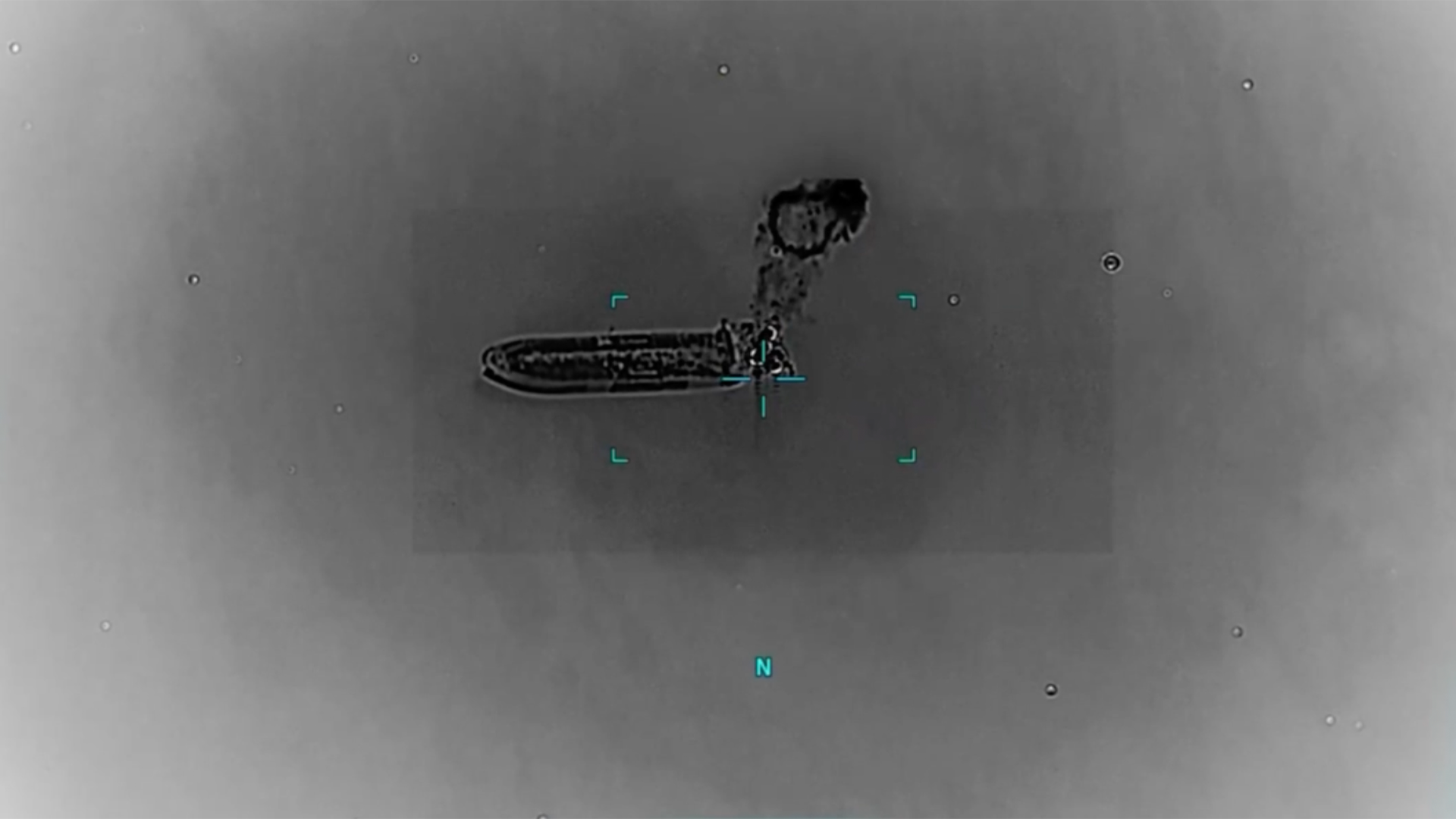
Escalation in Middle East as Iran Retaliates Against US Strikes, Closes Vital Strait
 news
news
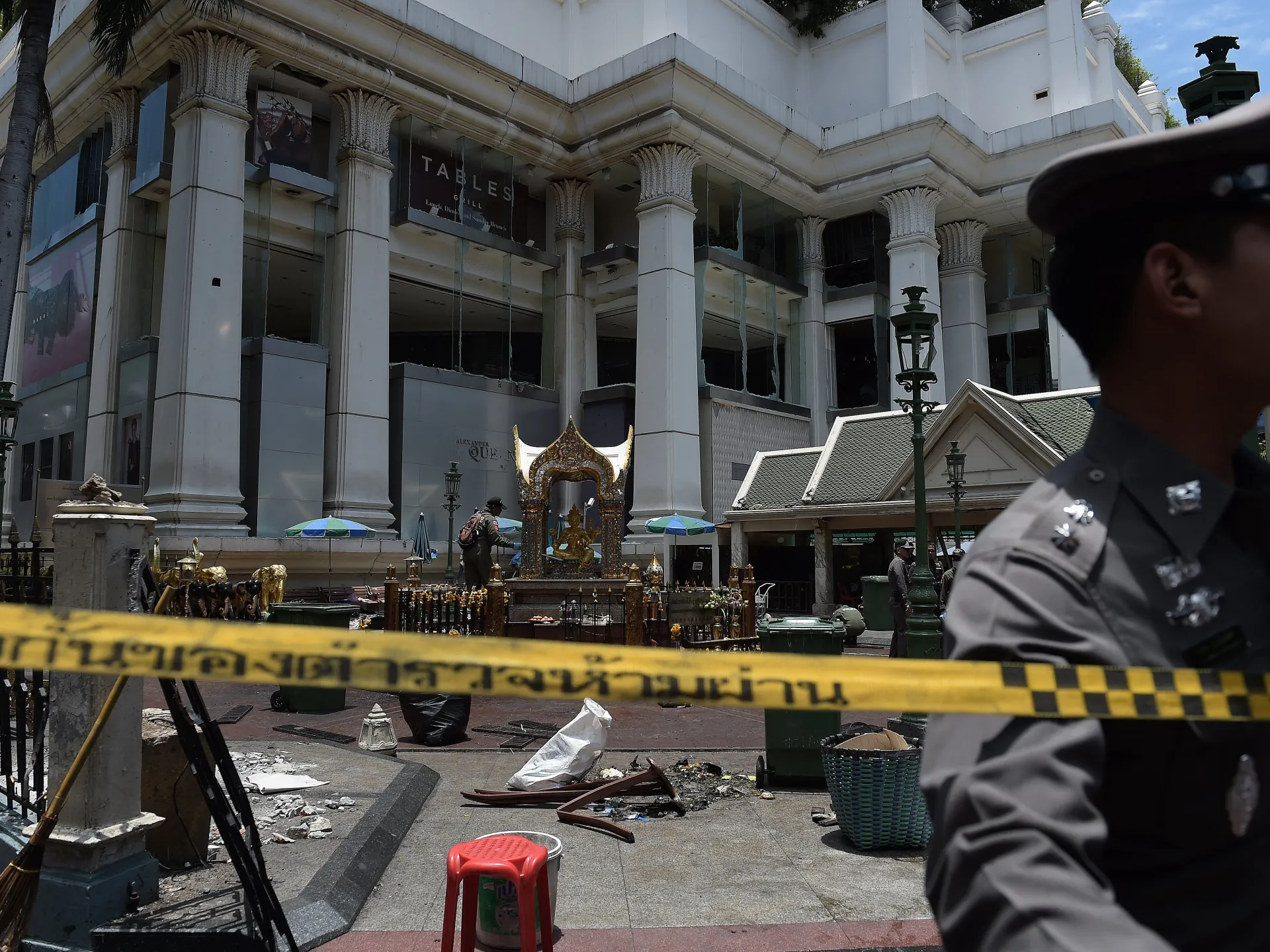
Thai Court Imposes Death Penalty on Two for 2015 Bangkok Shrine Bombing
 news
news
Belfast Experiences Second Night of Anti-Immigration Unrest Amidst Stabbing Charges
 news
news