
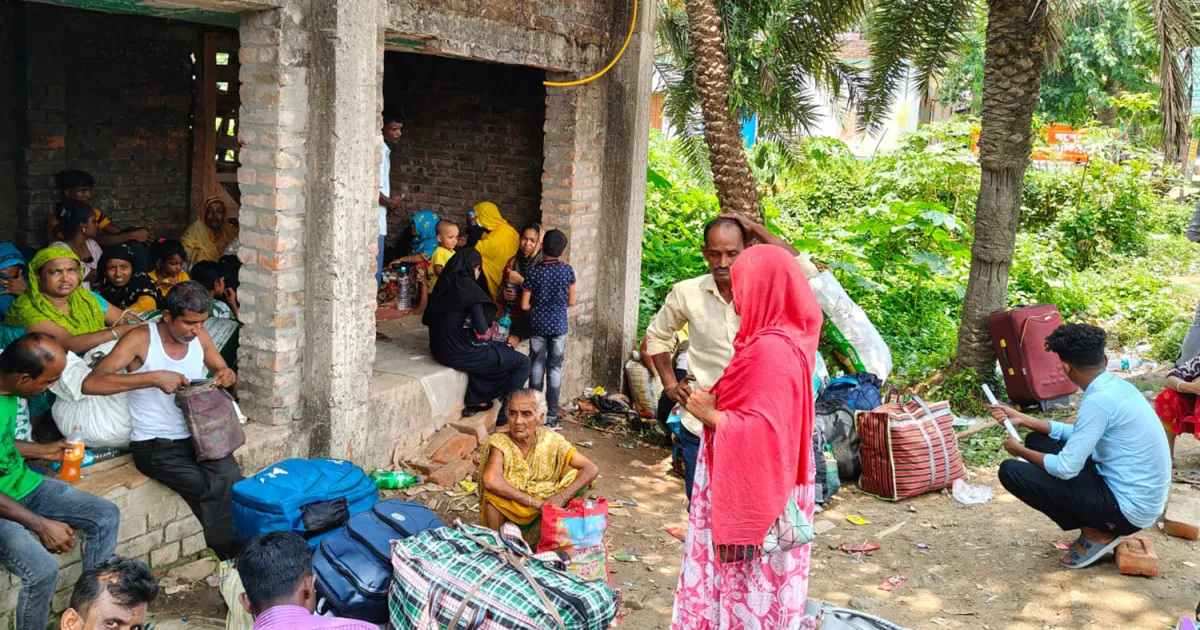
Crackdown on Undocumented Migrants in West Bengal
In India's West Bengal state, a new policy targeting undocumented migrants from Bangladesh has been implemented, leading to the detention and deportation of hundreds. This initiative, termed 'detect, delete and deport,' is being spearheaded by the recently elected Bharatiya Janata Party (BJP) state government. The policy has primarily focused on Muslim migrants, raising concerns about religious discrimination and deepening societal divisions.
Many individuals, like Raisul Islam, his wife Rebeka Khatun, and their two sons, have found themselves at border checkpoints such as Hakimpur. They endure harsh conditions, including extreme heat and a lack of basic amenities, while awaiting their fate. These families, often driven by economic hardship, had sought better livelihoods in India.
Economic Migrants Face Uncertain Future
Islam, originally from Satkhira district in Bangladesh, recounted his journey to India two years prior. He initially came for his wife's medical treatment but decided to stay due to better wage prospects compared to his home country. He paid a substantial sum to a facilitator to cross the border, settling in Kolkata where he and his wife worked as masons, collectively earning about $10 daily.
Their lives, however, took a drastic turn with the new government's directive. West Bengal's Chief Minister Suvendu Adhikari, upon assuming office, ordered the deportation of undocumented Bangladeshi migrants. Notably, this order came with a controversial caveat: it explicitly targeted Muslim Bangladeshis, exempting Hindus and individuals of other faiths under a contentious constitutional amendment that introduced a religious test for asylum seekers. Furthermore, Adhikari indicated that those detained would not necessarily undergo court proceedings before deportation, placing the onus on the individuals to prove their right to remain in India.
As a result, thousands have been rounded up across West Bengal in recent weeks. Many have been sent to detention centers, while others have been driven directly to the border by security forces for 'push-back' into Bangladesh. Islam and his family, fearing harassment, chose to surrender voluntarily rather than await apprehension.
Similar stories echo among other migrants at the Hakimpur border. Mirazul Ghazi, 42, along with his wife Sabina Yasmin and son Nayem, had lived in Kolkata for five years, working in construction and earning approximately $12 a day. They too decided to return to Bangladesh after their landlord asked them to vacate their premises following the government crackdown, fearing local hostility.
Rising Numbers at Border Crossings
Hakimpur and other border checkpoints in West Bengal have seen a steady influx of Bangladeshi migrants since late May. An anonymous police officer at Hakimpur reported that approximately 250-300 undocumented individuals arrive daily. Authorities are verifying citizenship and recording biometric details to maintain a digital record of migrants.
Chief Minister Adhikari stated that nearly 5,000 Bangladeshi citizens have been deported thus far, and 'holding centers' have been established across all districts. He added that 4,800 'infiltrators' have been deported from these centers, with another 836 currently awaiting deportation.
Diplomatic Ramifications
The deportation drive has strained diplomatic relations between New Delhi and Dhaka. Bangladesh's Foreign Affairs Adviser Shama Obaid confirmed that Dhaka has sent multiple letters to New Delhi regarding the issue, emphasizing the need for adherence to established procedures for verifying the nationality of undocumented migrants. She warned that the crackdown could negatively impact bilateral relations.
The Border Guard Bangladesh (BGB) has also reported thwarting at least 18 attempts by India's Border Security Force (BSF) to push approximately 180 migrants across the border into Bangladesh since June 4. Talks between the two border forces commenced recently to address the West Bengal deportations.
In response to Dhaka's criticisms, Indian foreign ministry spokesperson Randhir Jaiswal stated that a 'bilateral mechanism' is in place. He asserted that India has laws to deal with all foreign nationals residing illegally, including those from Bangladesh. Jaiswal mentioned that New Delhi has sent numerous requests to Bangladesh for nationality verification, many of which remain pending. Media reports indicate that India's foreign ministry has shared details of over 2,800 suspected Bangladeshis with Dhaka for this purpose.
Human Rights Concerns and Religious Tensions
Human rights organizations have voiced strong objections to India's actions. Elaine Pearson, Asia director of Human Rights Watch, expressed deep concern, highlighting that even detainees without valid documents should be afforded legal representation to prevent wrongful expulsions of Indian citizens. She labeled the deportations as 'illegal.'
The targeting of predominantly Muslim Bangladeshi migrants is also exacerbating religious tensions in West Bengal, a state where Muslims constitute 27 percent of the population. The BJP has historically campaigned against Bangladeshi migrants, with prominent figures like federal Home Minister Amit Shah referring to them as 'termites' during past election rallies. While India hosts numerous Buddhist refugees from Tibet and Tamil refugees from Sri Lanka, the BJP has consistently singled out Muslim migrants, including Bangladeshis and Rohingya, based on their religious identity.
This approach aligns with the BJP's broader political agenda, which critics argue aims to marginalize India's 200 million Muslims and transform the constitutionally secular nation into an ethnic Hindu state. Rights activist Teesta Setalvad contends that Indian authorities are acting on a 'preconceived agenda and rhetoric' against a specific community, accusing the government of disregarding its own guidelines when dealing with undocumented migrants.
Source: Original Article
Related Articles
 news
news
Escalation in Middle East as Iran Retaliates Against US Strikes, Closes Vital Strait
 news
news
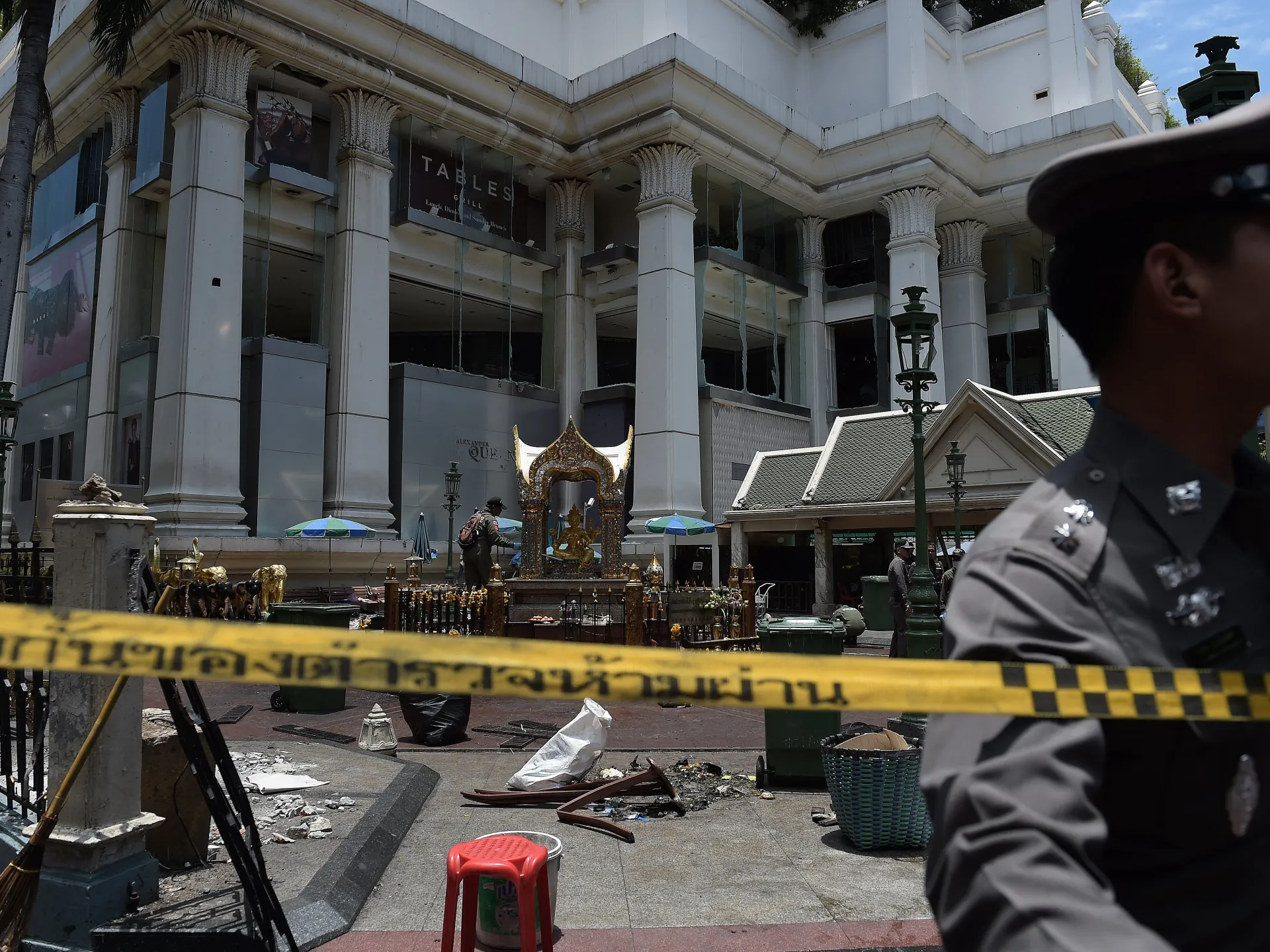
Thai Court Imposes Death Penalty on Two for 2015 Bangkok Shrine Bombing
 news
news
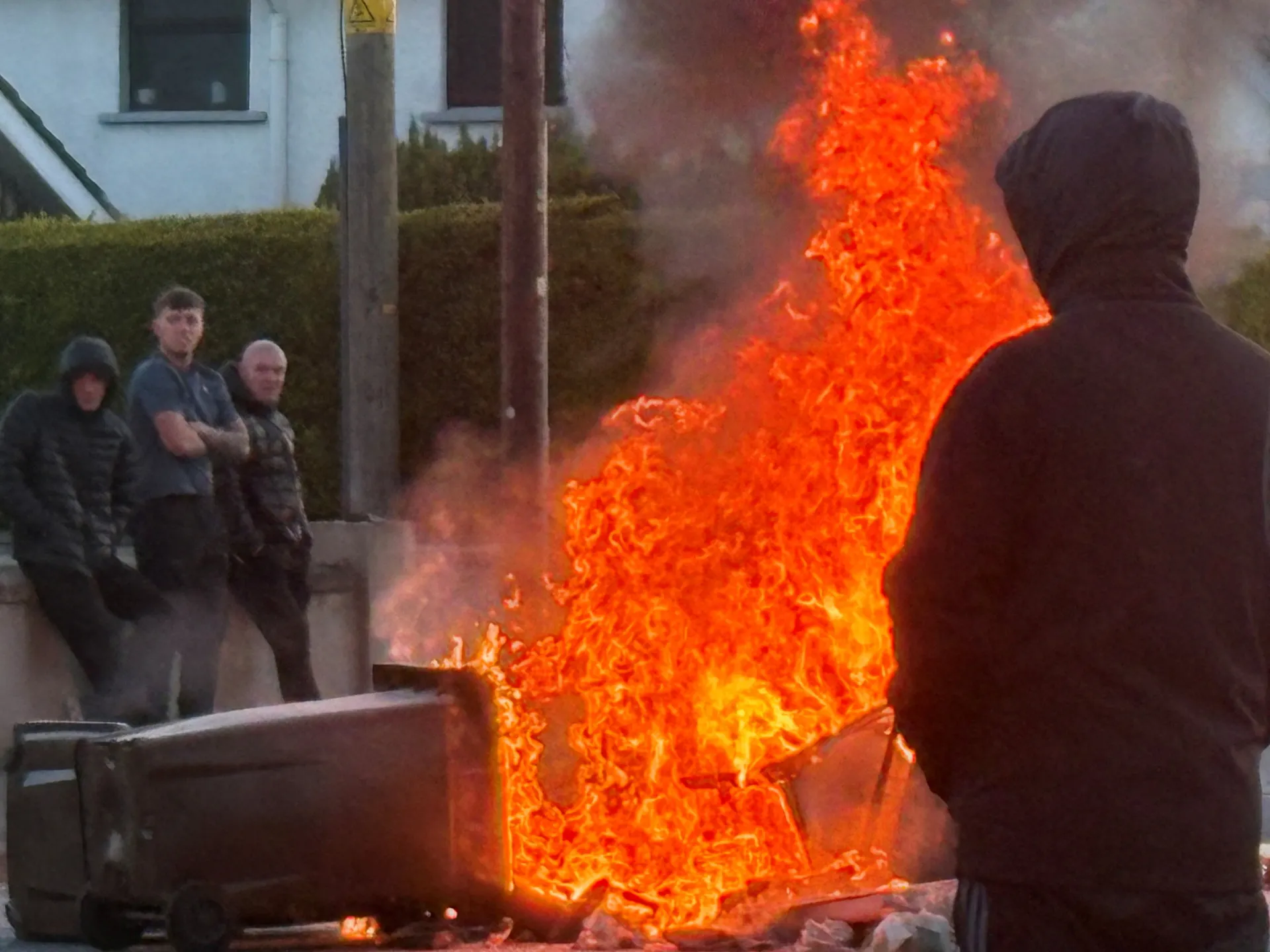
Belfast Experiences Second Night of Anti-Immigration Unrest Amidst Stabbing Charges
 news
news