
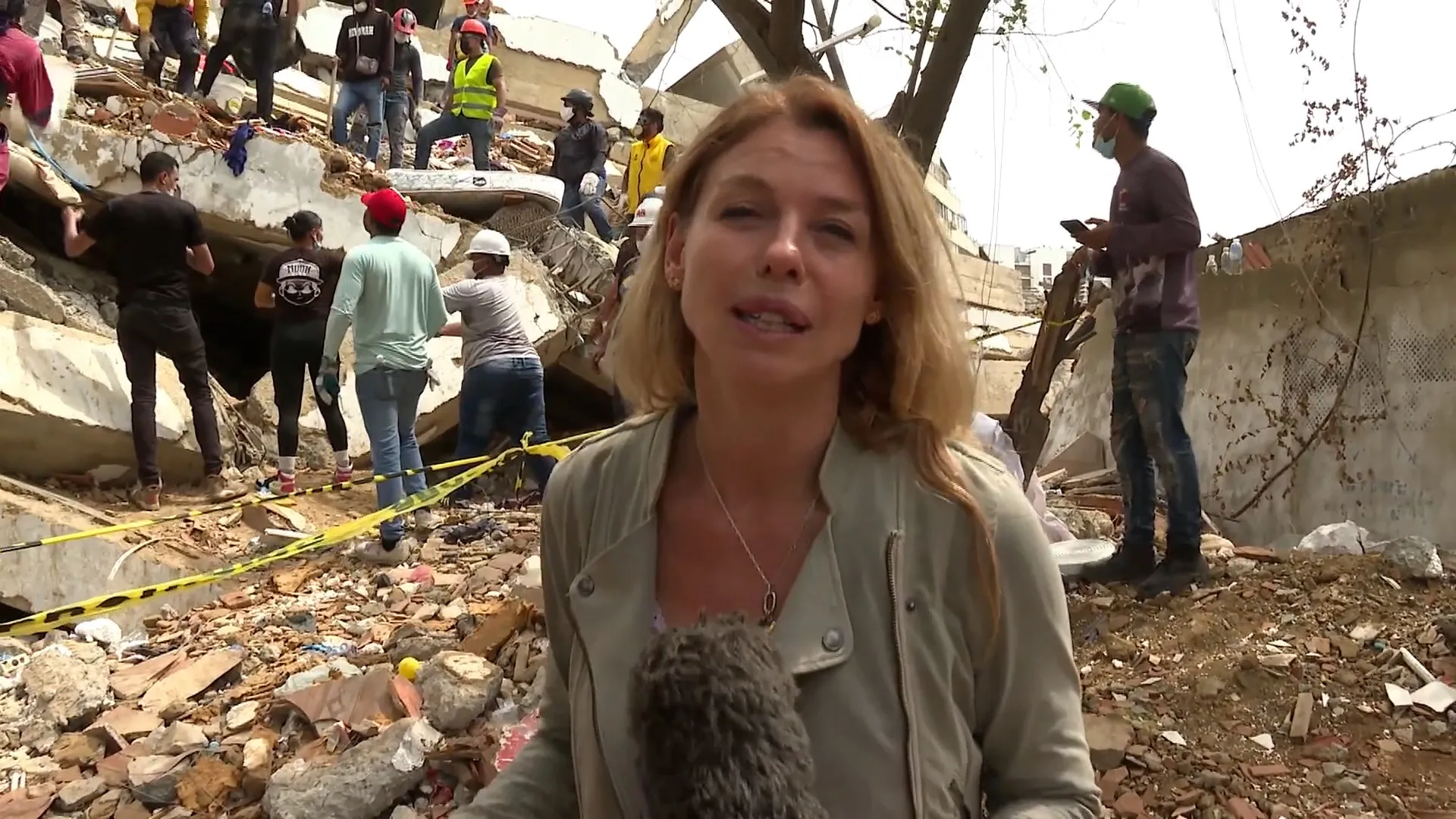
Dual Earthquakes Strike Venezuela
Venezuela has been impacted by a series of seismic events, including two significant earthquakes that have led to widespread damage and a challenging humanitarian situation. The tremors, occurring in close succession, have resulted in numerous building collapses and left an undetermined number of people trapped beneath the rubble. Emergency response teams, alongside local volunteers, are working tirelessly to navigate the affected areas and provide assistance to those impacted by the disaster.
The immediate aftermath of the earthquakes has been characterized by a concerted effort to locate survivors. Rescue operations are complex, often requiring specialized equipment and careful coordination to avoid further collapses. First responders are prioritizing areas where structural integrity has been severely compromised, focusing on buildings where residents were known to be present at the time of the quakes. The challenging conditions, including potential aftershocks and unstable structures, add to the inherent dangers faced by rescue personnel.
Community Appeals and Urgent Needs
Amidst the chaos, poignant appeals for help have emerged from the affected population. One mother, whose plea was captured amidst the ongoing rescue efforts, expressed her desperation, stating, “I’m still begging for people to help me get him out.” Such testimonies underscore the profound personal tragedies unfolding in the wake of the natural disaster. These calls for assistance highlight the urgent need for resources, including medical supplies, food, water, and temporary shelter for those displaced from their homes.
Local authorities and international aid organizations are beginning to assess the full extent of the damage. Initial reports indicate that infrastructure, including roads and communication networks, has been disrupted in several regions, complicating the logistics of rescue and relief operations. Efforts are underway to restore essential services and establish clear pathways for humanitarian aid to reach the most affected communities. The government has activated emergency protocols, deploying military and civil defense units to support the rescue missions.
Challenges in Rescue Operations
The nature of earthquake-induced collapses presents unique challenges for rescue teams. The debris is often unstable, requiring careful removal to prevent further injury to trapped individuals or rescue workers. The search for survivors also relies heavily on specialized equipment, such as acoustic sensors and search cameras, which can detect signs of life beneath tons of rubble. In many instances, the physical removal of debris is a painstaking process, often performed manually to ensure the safety of potential survivors.
Furthermore, the psychological toll on both victims and rescuers is significant. Witnessing the devastation and participating in the challenging work of extricating individuals from collapsed structures can be emotionally arduous. Psychological support services are often a critical, though sometimes overlooked, component of disaster response efforts, aimed at helping those affected cope with trauma and loss.
International Response and Future Outlook
The international community is beginning to mobilize in response to the Venezuelan earthquakes. Offers of assistance, including specialized rescue teams and humanitarian aid, are being coordinated. The effectiveness of these efforts will depend on clear communication channels and the ability to rapidly deploy resources to the areas most in need. The long-term recovery process is expected to be extensive, requiring significant investment in rebuilding infrastructure and supporting affected communities.
As rescue operations continue, the focus remains on finding survivors and providing immediate relief. The situation is fluid, with ongoing assessments of the damage and the needs of the population. The resilience of the Venezuelan people, coupled with the dedication of rescue workers and the support of the international community, will be crucial in overcoming the challenges posed by this natural disaster. The coming days will be critical in determining the full human cost and the path forward for recovery and reconstruction.
Source: Original Article
Related Articles
 news
news
Tragedy Strikes Pakistan: Unregistered Tutoring Center Roof Collapse Claims Young Lives
 news
news
Former Indonesian Education Minister Receives 10-Year Sentence in Corruption Case
 news
news
Unusual Red Sunset Graces Caracas Amidst Ongoing Rescue Operations
 news
news