
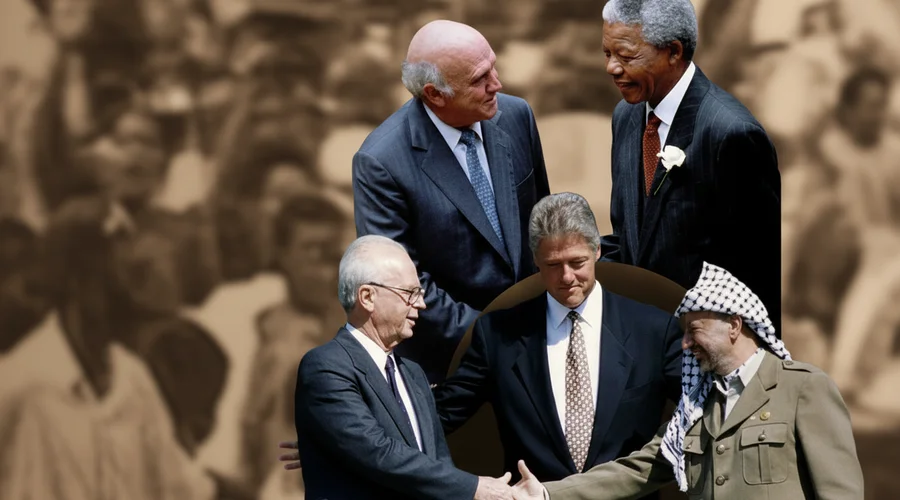
Navigating a Fragmented World
The contemporary global landscape is characterized by profound divisions, with conflicts and polarization evident in regions ranging from Gaza and Ukraine to Myanmar and Kashmir, and even within the United States and Europe. This era of heightened tension has made dialogue not only challenging but often perilous, as leaders frequently adopt uncompromising stances. The prevailing atmosphere of humiliation and fear often fuels violence, underscoring the urgent need for effective conflict resolution strategies.
In this complex environment, the role of a mediator becomes more delicate, yet simultaneously more crucial and inherently human. The eighth episode of 'The Possibilist' series delves into these dynamics, focusing on the insights of William Ury, a distinguished figure in the field of modern conflict resolution. As a co-founder of Harvard’s Program on Negotiation, Ury has dedicated his life to understanding and implementing the principles that underpin lasting peace.
William Ury's Legacy in Conflict Resolution
William Ury's extensive career offers a unique lens through which to examine the intricate mechanisms of peace-building. His work illuminates how trust can be cultivated even in situations where skepticism is profound, and how negotiations can endure amidst significant obstacles such as deeply entrenched egos, past traumas, and intense political pressures. A central theme of his philosophy is the preservation of humanity in circumstances that often push individuals and groups towards dehumanization.
Ury's contributions to the field of negotiation are widely recognized, particularly his emphasis on the 'third side' – a concept that encourages parties in a conflict to step back and adopt an objective perspective, thereby facilitating more constructive dialogue. His methodologies often involve identifying the underlying interests of all parties, rather than focusing solely on their stated positions, which can unlock pathways to mutually beneficial solutions. This approach is particularly relevant in today's environment, where positional bargaining often leads to stalemates.
The Anatomy of Peace: Beyond Formal Diplomacy
The series, 'The Possibilist,' ultimately posits that the pursuit of peace is not exclusively the domain of professional diplomats or international organizations. Rather, it is a responsibility that extends to every individual, permeating our homes, workplaces, and communities. This perspective broadens the scope of peace-building, suggesting that each person possesses a form of power that can contribute to conflict resolution.
While political power holds the capacity to enact laws and reshape societal structures, the film highlights the transformative potential of moral power. This encompasses the power of empathy, the courage to engage in difficult conversations, and the simple yet profound presence required to truly listen and understand others. These qualities, Ury suggests, possess the ability to change hearts and minds, fostering reconciliation and understanding at a fundamental level.
Building Trust Amidst Adversity
One of the most challenging aspects of conflict resolution is the establishment of trust, especially when historical grievances and ongoing tensions have eroded it. Ury's work provides frameworks for rebuilding this essential foundation. He often advocates for 'going to the balcony,' a metaphorical step back from the immediate emotional intensity of a conflict to gain perspective. This detachment allows negotiators to observe the situation more objectively, identify common ground, and develop creative solutions that might not be apparent when caught in the heat of the moment.
Furthermore, Ury emphasizes the importance of 'building a golden bridge' for the other side, making it easier for them to agree to a resolution by addressing their concerns and offering face-saving solutions. This strategy acknowledges the human element in negotiations, recognizing that pride and dignity often play significant roles in how parties respond to proposals. By offering paths that allow all parties to feel respected and heard, the likelihood of reaching a sustainable agreement increases significantly.
The Universal Call to Peacemaking
The message conveyed by 'The Possibilist' and William Ury's life work is a call to action for everyone. It underscores that while grand international negotiations capture headlines, the principles of conflict resolution are equally applicable and vital in everyday interactions. From resolving disagreements within families to fostering collaboration in professional settings, the ability to mediate, empathize, and seek common ground is invaluable.
In an age where digital communication often amplifies misunderstandings and polarization, the human touch of mediation becomes even more critical. Ury's insights remind us that despite the seemingly insurmountable challenges, the potential for peace remains, and it is a potential that resides within each of us. By embracing empathy, courage, and a commitment to dialogue, individuals can contribute to a more harmonious world, one interaction at a time.
Source: Al Jazeera
Related Articles
 news
news
Tragedy Strikes Pakistan: Unregistered Tutoring Center Roof Collapse Claims Young Lives
 news
news
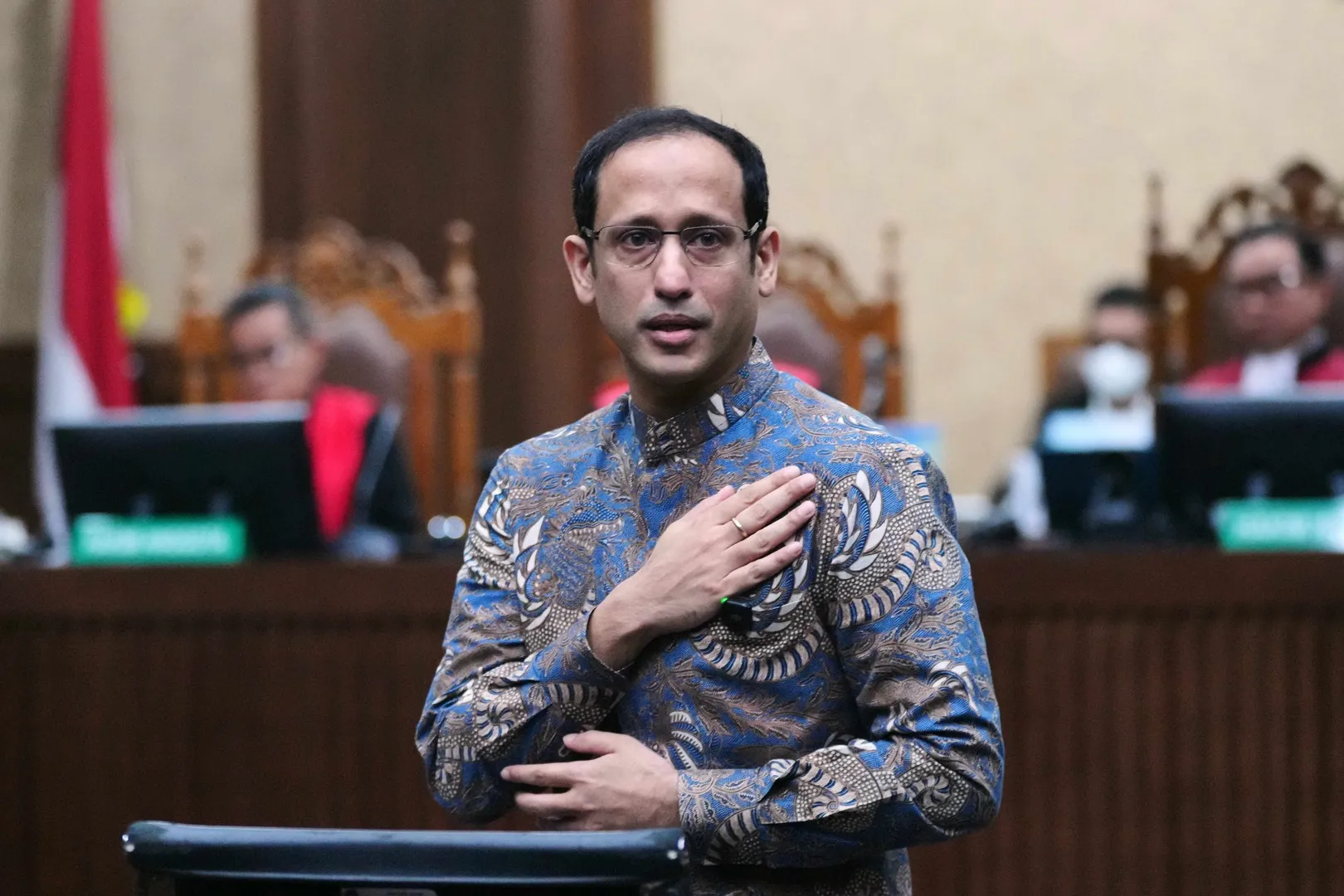
Former Indonesian Education Minister Receives 10-Year Sentence in Corruption Case
 news
news
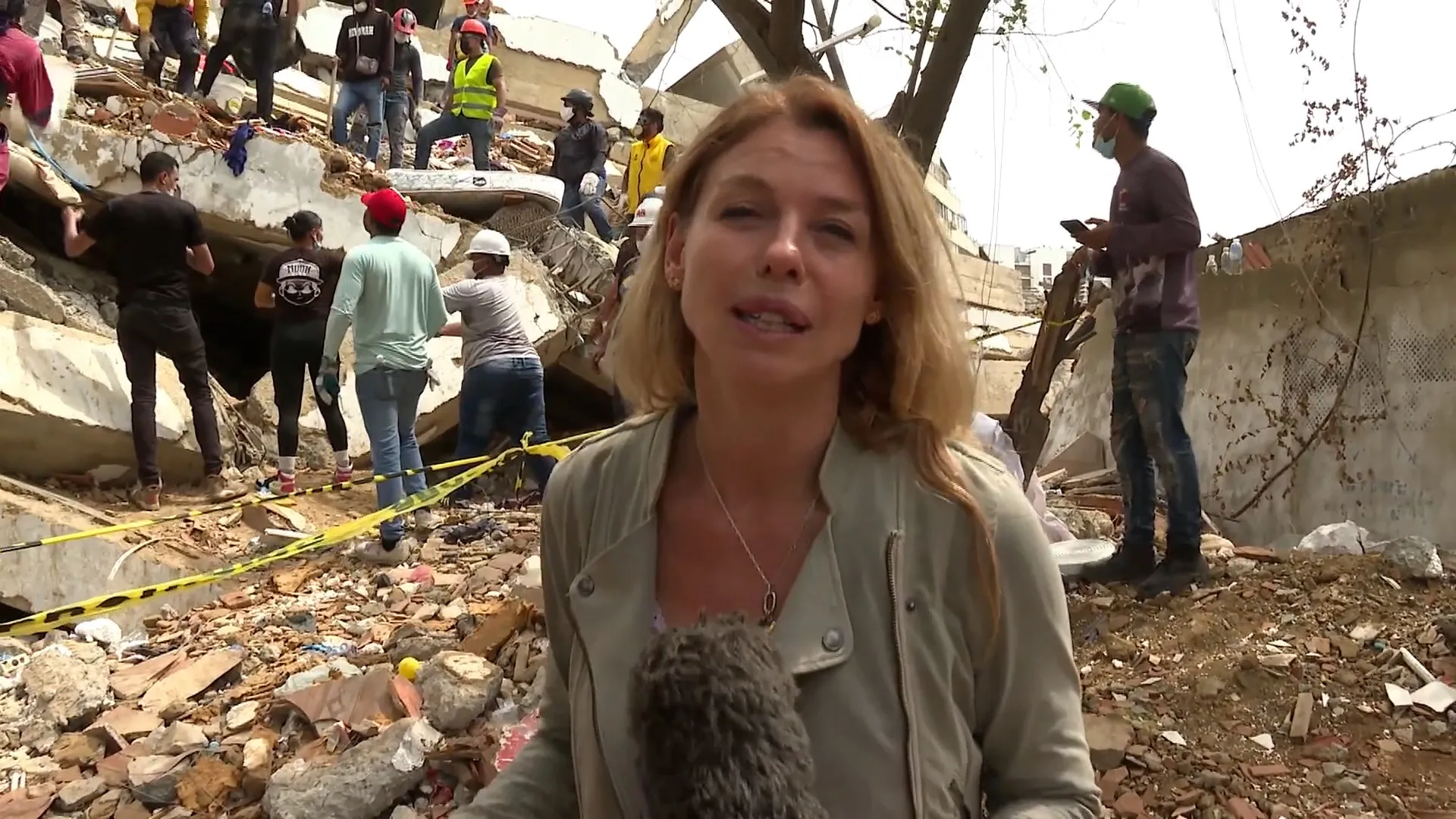
Venezuelan Rescue Efforts Intensify Following Dual Earthquakes
 news
news