
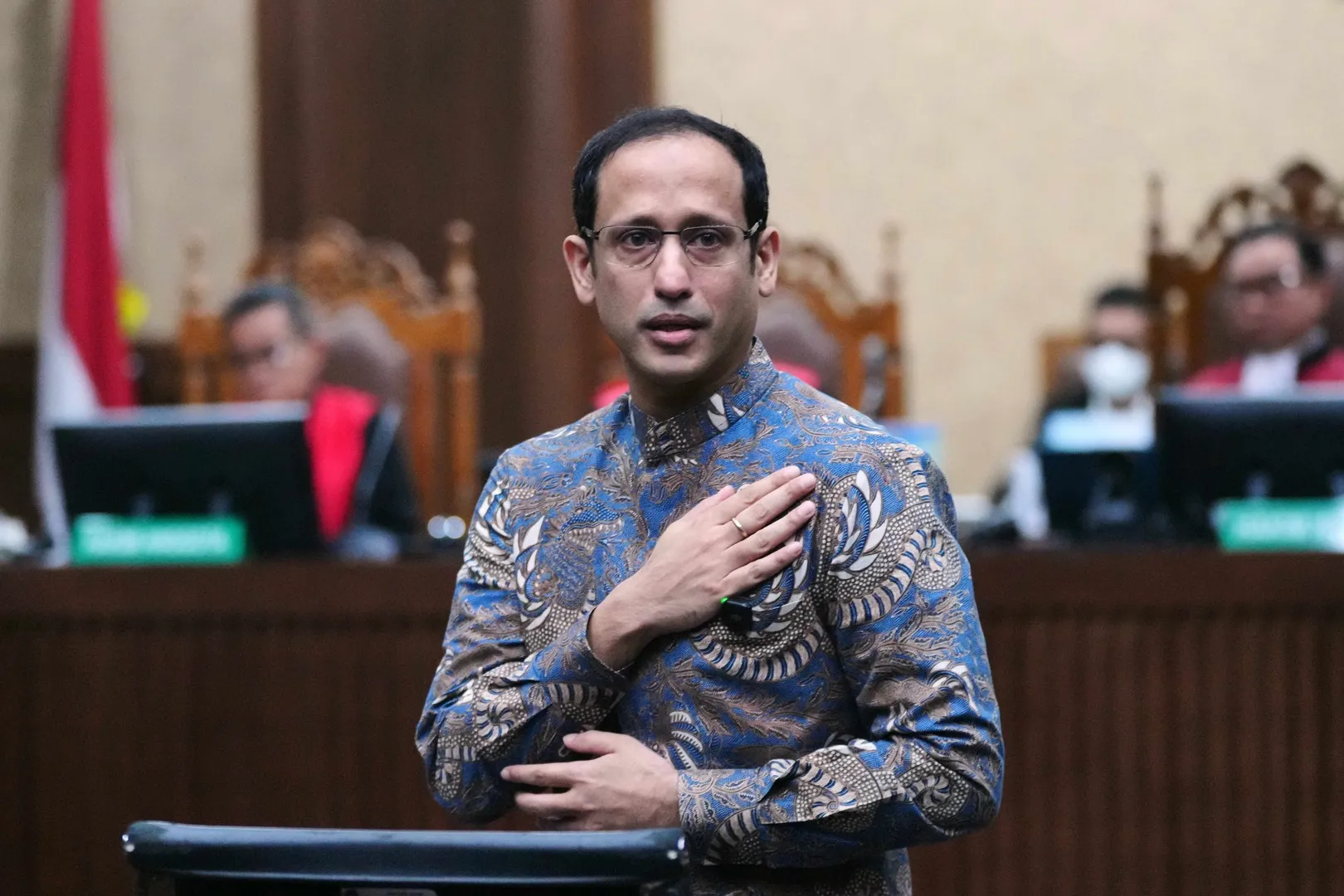
Overview of the Verdict
Nadiem Makarim, a prominent figure known for co-founding the Indonesian technology giant Gojek and later serving as the nation's Minister of Education, has been handed a ten-year prison sentence. The conviction stems from charges of corruption, marking a significant development in the country's efforts to combat graft. The ruling, delivered on July 1, 2026, has drawn considerable attention, given Makarim's high profile as both a successful entrepreneur and a government official.
Makarim, who was once celebrated as a symbol of Indonesia's burgeoning tech industry and achieved billionaire status, has vehemently denied the allegations. He has publicly stated that he believes the verdict is politically motivated and has indicated his intention to appeal the decision. This stance suggests a potentially protracted legal battle ahead, as his defense team prepares to challenge the court's findings.
Background of Nadiem Makarim
Nadiem Makarim's career trajectory has been notably diverse and impactful. He first rose to prominence as the co-founder of Gojek, an on-demand multi-service platform that revolutionized various sectors in Indonesia, including transportation, food delivery, and digital payments. Under his leadership, Gojek expanded rapidly, becoming one of Southeast Asia's most valuable startups and a testament to Indonesia's potential in the global tech landscape. His entrepreneurial success earned him widespread recognition and admiration, positioning him as a modern icon of innovation and economic growth.
In 2019, Makarim transitioned from the private sector to public service, accepting an appointment as the Minister of Education and Culture in President Joko Widodo's cabinet. His entry into politics was viewed by many as a strategic move to infuse fresh perspectives and technological solutions into the nation's education system. During his tenure, he initiated several reforms aimed at modernizing education and improving access, reflecting his commitment to leveraging technology for societal benefit.
The Corruption Charges and Trial
Details surrounding the specific corruption charges that led to Makarim's conviction have been a subject of public discourse. While the exact nature of the allegations has been reported, the core of the prosecution's case centered on illicit financial activities during his time in public office. The trial proceedings, which garnered significant media coverage, involved testimony from various witnesses and the presentation of evidence by both the prosecution and the defense.
The legal process leading to the verdict was conducted over a period, culminating in the July 1 ruling. The court's decision to impose a ten-year custodial sentence underscores the severity with which the Indonesian legal system views corruption offenses, particularly when they involve high-ranking officials. This case is seen by some as a demonstration of the government's resolve to tackle corruption at all levels, regardless of an individual's past achievements or public standing.
Reactions and Future Implications
The sentencing of Nadiem Makarim has elicited a range of reactions from the public, political analysts, and the business community. Supporters of Makarim have expressed disappointment and concern, echoing his claims of political targeting. They point to his track record as a successful entrepreneur and a reform-minded minister, suggesting that the charges may be an attempt to discredit him or neutralize his influence.
Conversely, those who advocate for stringent anti-corruption measures have viewed the verdict as a positive step towards accountability and transparency in governance. They argue that no individual should be above the law, and that convictions of high-profile figures send a strong message that corruption will not be tolerated. The upcoming appeal process is expected to be closely watched, as it will determine the final legal outcome for Makarim and could potentially set precedents for similar cases in the future.
The broader implications of this case extend to Indonesia's political landscape and its international image. For some, it highlights the ongoing challenges of political transparency and the complexities of navigating public office in a country committed to combating corruption. The outcome of the appeal will undoubtedly shape public perception and could influence future political careers and anti-corruption efforts in Indonesia.
Source: Original Article
Related Articles
 news
news
Tragedy Strikes Pakistan: Unregistered Tutoring Center Roof Collapse Claims Young Lives
 news
news
Venezuelan Rescue Efforts Intensify Following Dual Earthquakes
 news
news
Unusual Red Sunset Graces Caracas Amidst Ongoing Rescue Operations
 news
news