Overview of the Reinstated Sanctions
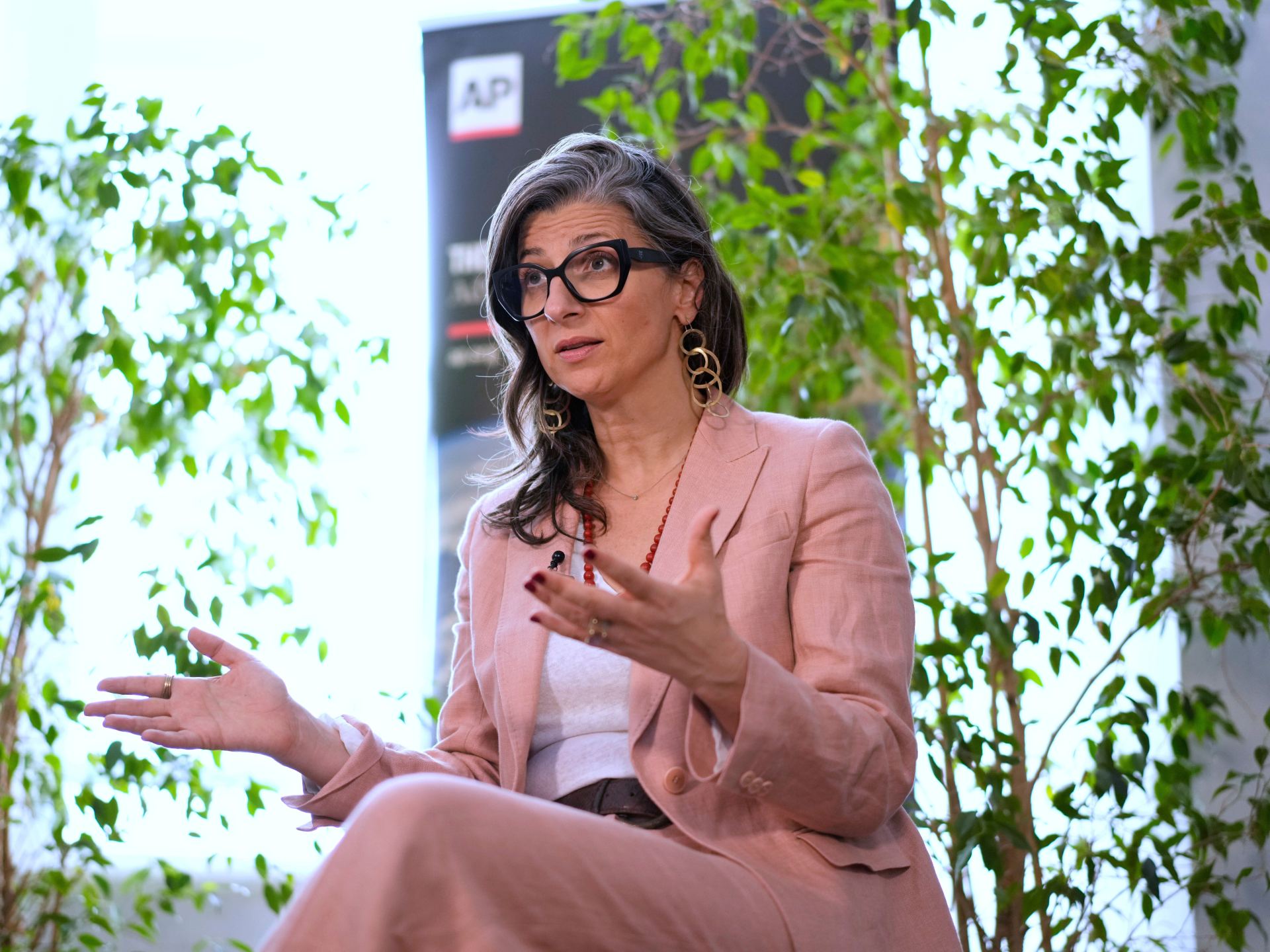
Reports indicate that the United States government has reinstated sanctions targeting Francesca Albanese, who serves as the United Nations Special Rapporteur on the situation of human rights in the Palestinian territories occupied since 1967. This development marks a significant point in the ongoing relationship between the US administration and international officials involved in monitoring human rights issues within the Israeli-Palestinian context.
While specific details regarding the nature and scope of the reinstated sanctions have not been fully disclosed in initial reports, such actions typically involve restrictions on travel, asset freezes, or other measures designed to limit the individual's ability to operate or access financial systems. The reinstatement suggests a continuation or re-emphasis of past policies concerning international scrutiny of the region.
Historical Context of US Policy Towards UN Officials
The US approach to international officials, particularly those investigating actions by Israeli forces, has been a subject of considerable discussion. During previous administrations, notably the Trump presidency, there were documented efforts to exert pressure on individuals and bodies perceived as critical of Israeli policies or actions. These efforts were often framed as responses to what was viewed as an unfair or biased focus on Israel within international forums.
The role of a UN Special Rapporteur is to investigate, monitor, and report on human rights situations in specific countries or thematic areas. These independent experts are appointed by the UN Human Rights Council and serve in their personal capacity. Their findings and recommendations are often influential in shaping international discourse and policy.
Implications for International Human Rights Monitoring
The decision to reinstate sanctions on a UN Special Rapporteur raises questions about the broader implications for international human rights monitoring mechanisms. Critics argue that such actions could be perceived as an attempt to stifle independent reporting and discourage thorough investigations into human rights concerns. Conversely, proponents of such measures might contend that they are necessary to address perceived biases or to protect national interests.
The situation underscores the complex interplay between national foreign policy objectives and the mandates of international human rights bodies. It highlights the challenges faced by independent experts who are tasked with reporting on sensitive geopolitical issues, often navigating strong political currents and differing national perspectives.
Francesca Albanese's Role and Mandate
Francesca Albanese assumed her role as the UN Special Rapporteur in May 2022. Her mandate includes assessing the human rights situation in the Palestinian territories, reporting on violations of international human rights and humanitarian law, and making recommendations to the international community and relevant parties. Her work, like that of her predecessors, has often drawn significant attention and, at times, controversy.
Special Rapporteurs typically conduct country visits, engage with affected populations, civil society organizations, and government officials, and present their findings to the UN Human Rights Council and the UN General Assembly. Their reports are intended to provide an objective assessment of human rights conditions and to advocate for improved protections.
Looking Ahead
The reinstatement of sanctions on Francesca Albanese is likely to prompt reactions from various international actors, human rights organizations, and diplomatic circles. It will undoubtedly contribute to ongoing debates about accountability, the impartiality of international bodies, and the extent to which states can influence or challenge the work of UN human rights mechanisms. The situation remains fluid, and further developments are anticipated as more information becomes available and official statements are released.
Source: Original Article
Related Articles
 world
world
Escalating Tensions: US and Iran Exchange Strikes Amid Regional Unrest
 world
world
Ghana Repatriates Citizens Amidst South Africa's Anti-Immigrant Climate
 world
world
Strait of Hormuz Tensions Escalate with US Military Action Near Bandar Abbas
 world
world