
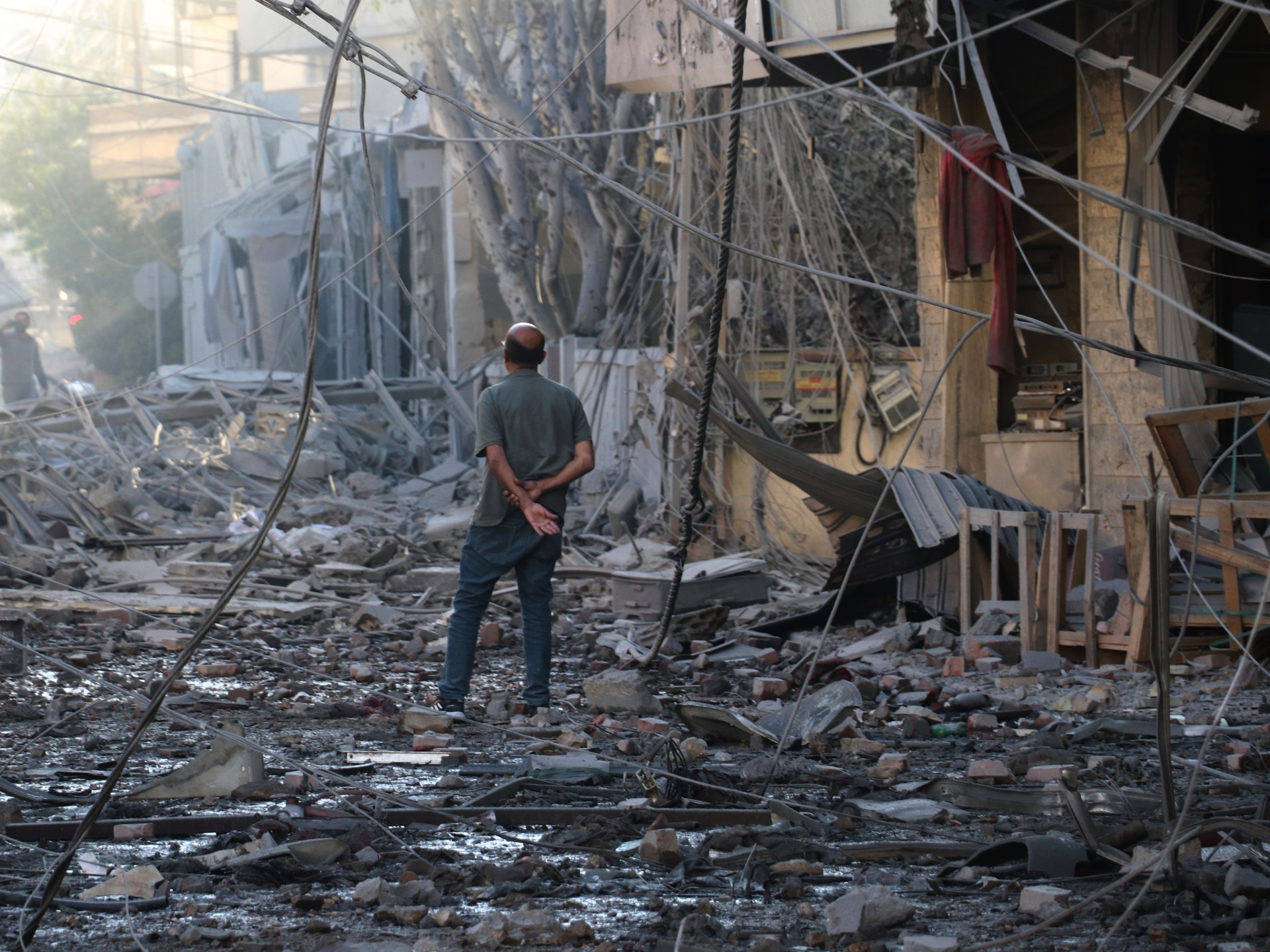
Recent Military Actions Raise Regional Concerns
Recent developments in the Middle East have seen an increase in military engagements, with both the United States and Iran undertaking actions that underscore heightened regional tensions. These events follow a period of simmering unrest and contribute to a complex geopolitical landscape in the region.
US Cites 'Defensive' Posture in Strikes
The United States military has confirmed launching strikes against an Iranian military facility. Officials characterized these operations as 'defensive' in nature, asserting they were carried out to protect US interests and personnel in the area. While specific details regarding the targeted site and the precise motivations behind the strikes remain under close wraps, the US government has indicated that these actions were a direct response to perceived threats or prior aggressions.
Such military engagements are often framed by involved parties as necessary measures to deter further hostile acts or to neutralize immediate dangers. The US has maintained a significant military presence in the Middle East for decades, citing various security objectives, including counter-terrorism efforts and regional stability. This latest action fits within a broader pattern of US military operations aimed at safeguarding its strategic interests and those of its allies.
Iran's Revolutionary Guard Responds
In a swift reaction to the US strikes, Iran's Islamic Revolutionary Guard Corps (IRGC) reportedly launched its own retaliatory actions. Reports indicate that the IRGC targeted a US airbase, though the extent of any damage or casualties has not been fully disclosed. Iran views any attack on its military installations as a grave provocation and has historically demonstrated a willingness to respond forcefully to perceived infringements on its sovereignty.
The Revolutionary Guard, a key component of Iran's military and political establishment, plays a crucial role in the country's defense strategy and its regional influence. Its capacity to project power and its readiness to engage in military responses are significant factors in the ongoing dynamics of the Middle East.
This exchange of strikes highlights the precarious balance of power in the region and the potential for rapid escalation. Both nations possess considerable military capabilities, and direct confrontations, even those described as defensive or retaliatory, carry inherent risks of broadening into wider conflicts.
Broader Regional Context and Implications
These recent military actions do not occur in isolation but are part of a larger, intricate web of regional conflicts and geopolitical rivalries. The Middle East is currently grappling with multiple ongoing crises, including the conflict involving Israeli forces and the situation in Lebanon, as well as various internal and cross-border tensions. The involvement of major global powers, such as the United States, further complicates these dynamics.
The international community is closely monitoring these developments, with calls for de-escalation and diplomatic solutions often emerging from various global bodies and nations. The potential for miscalculation or unintended consequences in such volatile environments is a significant concern. Analysts suggest that continued military exchanges, regardless of their initial scope, could have far-reaching implications for regional stability, international trade routes, and global energy markets.
The imperative for all parties to exercise restraint and pursue avenues for dialogue remains paramount to prevent a further deterioration of the security situation in an already fragile part of the world.
Source: Al Jazeera
Related Articles
 world
world
US Reinstates Sanctions on UN Palestinian Rights Expert Francesca Albanese
 world
world
Ghana Repatriates Citizens Amidst South Africa's Anti-Immigrant Climate
 world
world
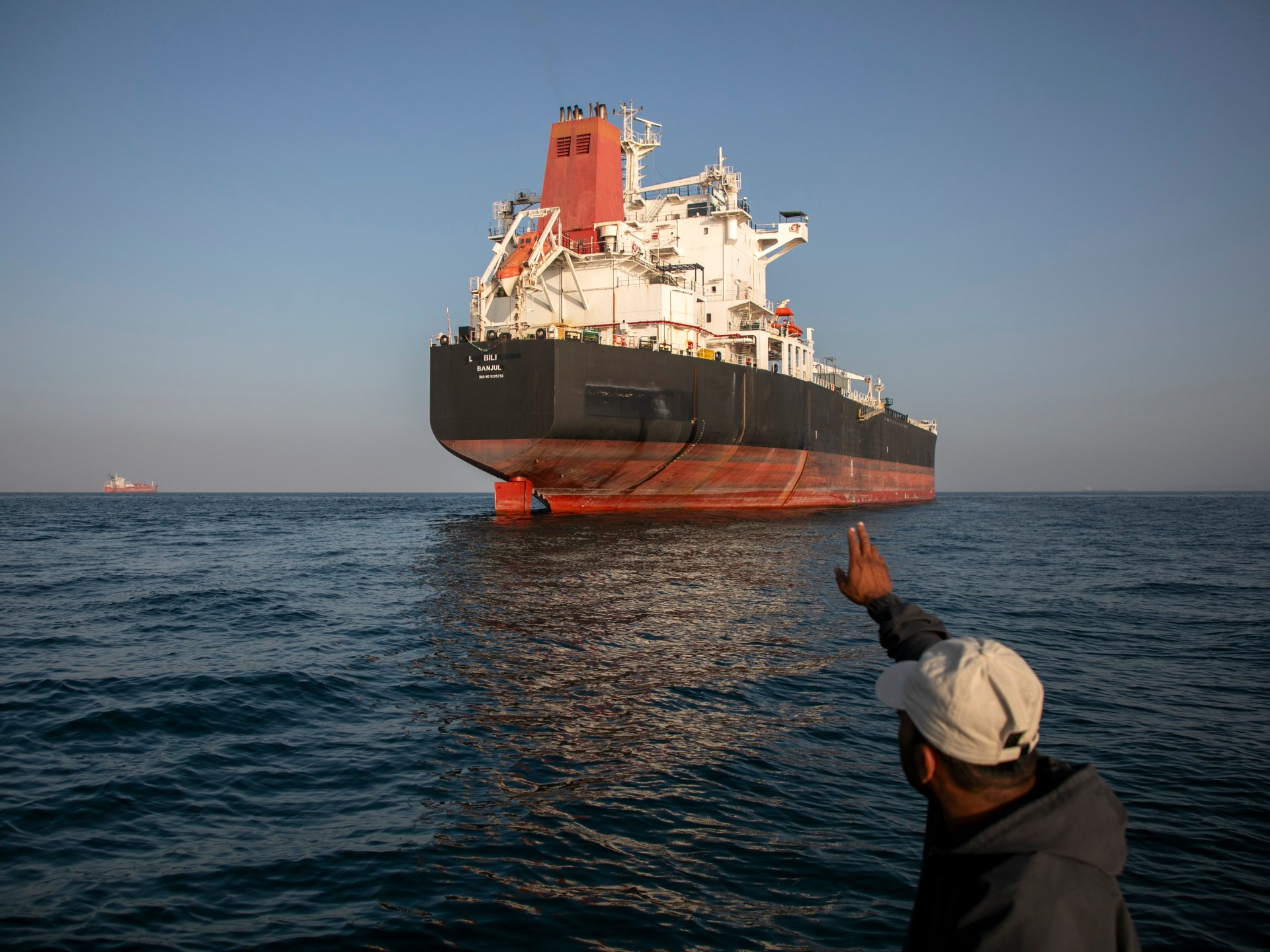
Strait of Hormuz Tensions Escalate with US Military Action Near Bandar Abbas
 world
world