
Escalating Tensions in the Gulf Region
Recent developments have seen a significant increase in military exchanges between the United States and Iran, contributing to heightened instability in the critical Strait of Hormuz area. These events transpired amidst a backdrop of conflicting reports, including one suggesting a possible de-escalation agreement that was subsequently dismissed by former President Donald Trump.
IRGC Claims Retaliatory Strike
Iran's Islamic Revolutionary Guard Corps (IRGC) announced that it had conducted a strike against a military base reportedly utilized by American forces. This action, according to the IRGC, was a direct response to earlier alleged U.S. attacks on a location situated near Bandar Abbas, a strategic port city in southern Iran.
The IRGC's statement emphasized the retaliatory nature of their operation, indicating a tit-for-tat dynamic in the ongoing confrontation. Details regarding the specific targets and the extent of the damage from these reported strikes remain unconfirmed by independent sources.
U.S. Response and Denials
While reports from Iranian sources detailed the IRGC's actions, official U.S. channels have largely remained circumspect or issued denials regarding specific incidents. The broader context of these exchanges points to a volatile security environment, where miscalculation could lead to further escalation.
The Disputed Hormuz Agreement Report
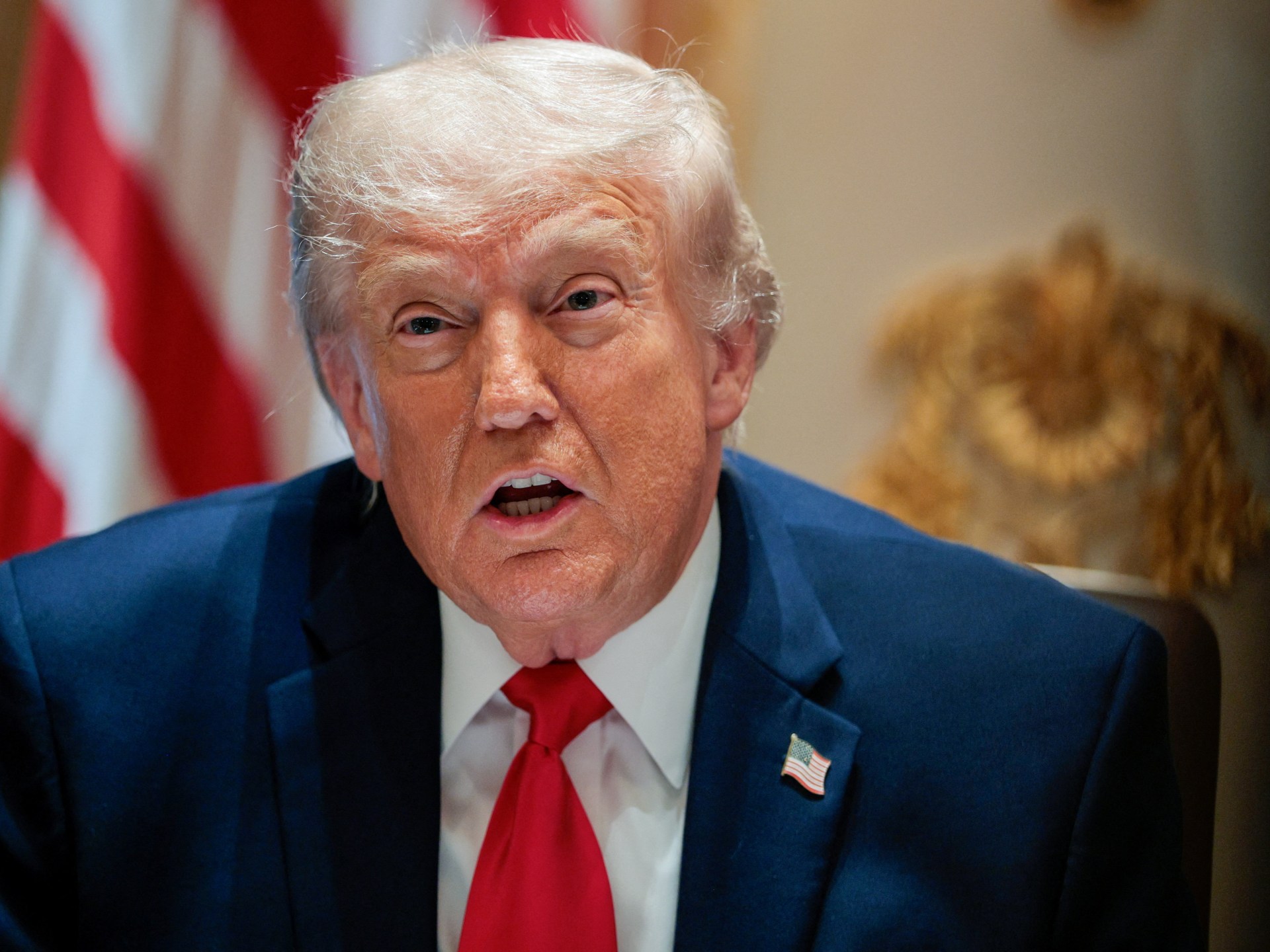
Adding another layer of complexity to the situation was a report, which circulated prior to these military exchanges, suggesting that an agreement had been reached between the U.S. and Iran concerning maritime activities in the Strait of Hormuz. This report, which offered a glimmer of hope for de-escalation, was swiftly and unequivocally rejected by former President Donald Trump. His denial cast doubt on any immediate prospects for a diplomatic resolution to the long-standing maritime disputes in the vital waterway.
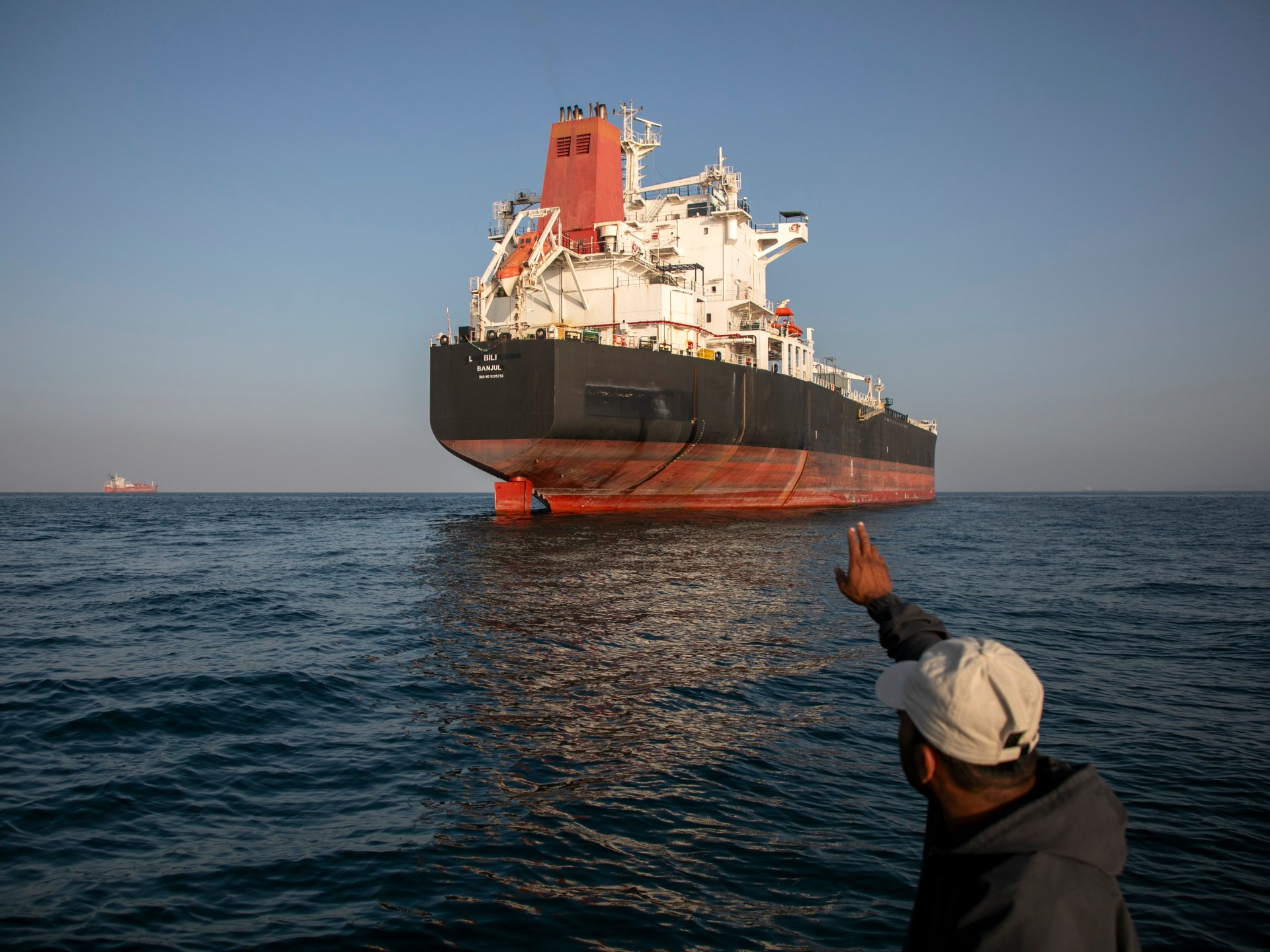
- The Strait of Hormuz is a crucial chokepoint for global oil shipments.
- Previous incidents in the strait have involved tanker seizures and attacks on shipping.
- Both nations maintain a significant military presence in the region.
Broader Regional Implications
The Strait of Hormuz is not only a critical route for international commerce but also a flashpoint for regional geopolitical rivalries. Any escalation in this area has far-reaching consequences for global energy markets and the stability of the Middle East. International observers are closely monitoring the situation, urging all parties to exercise restraint and pursue diplomatic avenues to prevent a wider conflict.
The current climate of mutual accusations and retaliatory strikes underscores the deep-seated mistrust between Washington and Tehran. Without clear communication channels and a commitment to de-escalation, the potential for further military confrontations remains a significant concern.
Source: Original Article
Related Articles
 world
world
Escalating Tensions: US and Iran Exchange Strikes Amid Regional Unrest
 world
world
US Reinstates Sanctions on UN Palestinian Rights Expert Francesca Albanese
 world
world
Ghana Repatriates Citizens Amidst South Africa's Anti-Immigrant Climate
 world
world