
Overview of the Incident
The United States military has confirmed a recent strike on what it described as a suspected drug trafficking vessel in the eastern Pacific Ocean, an operation that led to the deaths of at least two people. This event marks another instance in an ongoing campaign, initiated in September, which has now seen more than 60 vessels targeted and over 210 fatalities. The operation, known as “Southern Spear,” aims to disrupt maritime drug smuggling routes.
According to a statement released by US Southern Command (SOUTHCOM) on its official social media platform, the targeted boat was operating along a corridor frequently used for drug smuggling. However, SOUTHCOM’s announcement did not include specific evidence to confirm the presence of narcotics on board the vessel at the time of the strike. Following the incident, SOUTHCOM reported that it had informed the US Coast Guard about “six male survivors.” Details regarding the rescue efforts or the current condition of these individuals were not provided in the public statement.
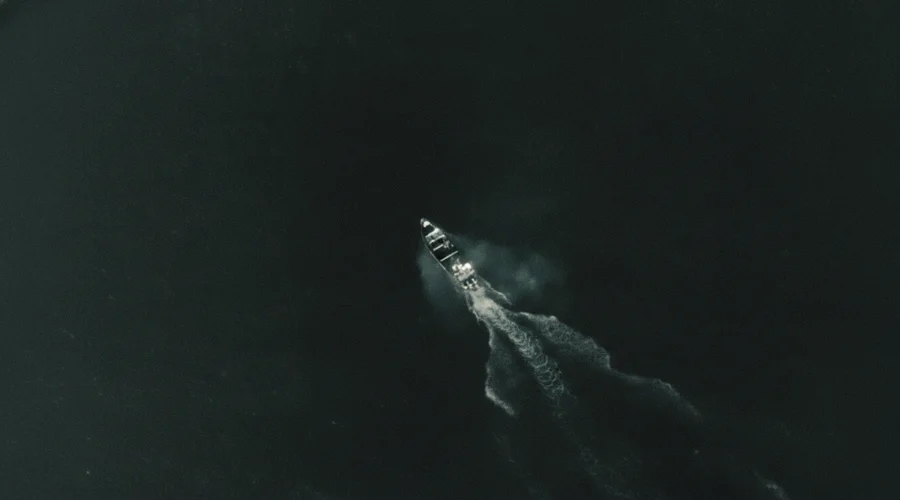
Accompanying the social media post was grainy, black-and-white video footage. The visuals depicted a boat navigating through the water before being hit by a projectile, subsequently erupting in a significant explosion. This visual evidence offered a glimpse into the intensity of the strike.
Broader Context of Operation Southern Spear
This recent strike is not an isolated event but rather part of a sustained effort by the US military. A similar incident occurred just days prior, on June 16, when US Central Command (CENTCOM) also reported notifying the US Coast Guard after two survivors were identified following a strike. In that case, the Coast Guard later concluded its search, stating that there were “no signs of survivors or debris,” raising questions about the fate of those initially reported as survivors.
President Donald Trump has characterized the United States’ engagement with Latin American cartels as an “armed conflict.” He has publicly defended these strikes as a necessary measure to combat the rising issue of drug overdoses within the US. This stance underscores the administration’s aggressive approach to interdicting drug flows before they reach American borders.
Criticism and Legal Scrutiny
Despite the administration’s justifications, the “Southern Spear” campaign has faced considerable criticism and scrutiny regarding its legal underpinnings and overall effectiveness. Critics have pointed out that a significant portion of illicit drugs, particularly fentanyl, enters the US via overland routes from Mexico, suggesting that maritime interdiction might not be the most effective strategy for curbing the domestic drug crisis.
A notable incident that drew particular attention and condemnation involved an earlier strike, the very first conducted under the operation. Reports emerged that after an initial attack that resulted in nine deaths, two survivors clinging to the wreckage were subsequently targeted again in a follow-up strike, which proved fatal for them. The White House confirmed this secondary strike, asserting it was carried out “in self-defence” to ensure the complete destruction of the vessel and was consistent with the laws of armed conflict. This explanation, however, has not quelled the controversy.
Several legal scholars have voiced strong objections, arguing that a second strike targeting survivors would be illegal under any circumstances, regardless of whether an armed conflict is declared. This perspective highlights a significant divergence in interpretation regarding the legality and ethics of such military engagements.
In response to these concerns, the Pentagon’s inspector general announced in May that it would initiate a review. This evaluation is intended to ascertain whether the military adhered to its established standard targeting procedures during these operations. It is important to note, however, that the scope of this review will not extend to examining the legality of the strikes themselves, focusing instead on procedural compliance. The ongoing debate underscores the complex legal, ethical, and strategic challenges associated with these military interdiction efforts in international waters.
Source: Original Article
Related Articles
 world
world
Calls for International Criminal Court to Probe Allegations of Sexual Violence in Israeli Detention
 world
world
US Vice President Vance Reports Advances in Iran Negotiations, Addresses Regional Stability
 world
world
US Vice President Vance Arrives in Switzerland for Critical US-Iran Peace Negotiations Amid Regional Tensions
 world
world