
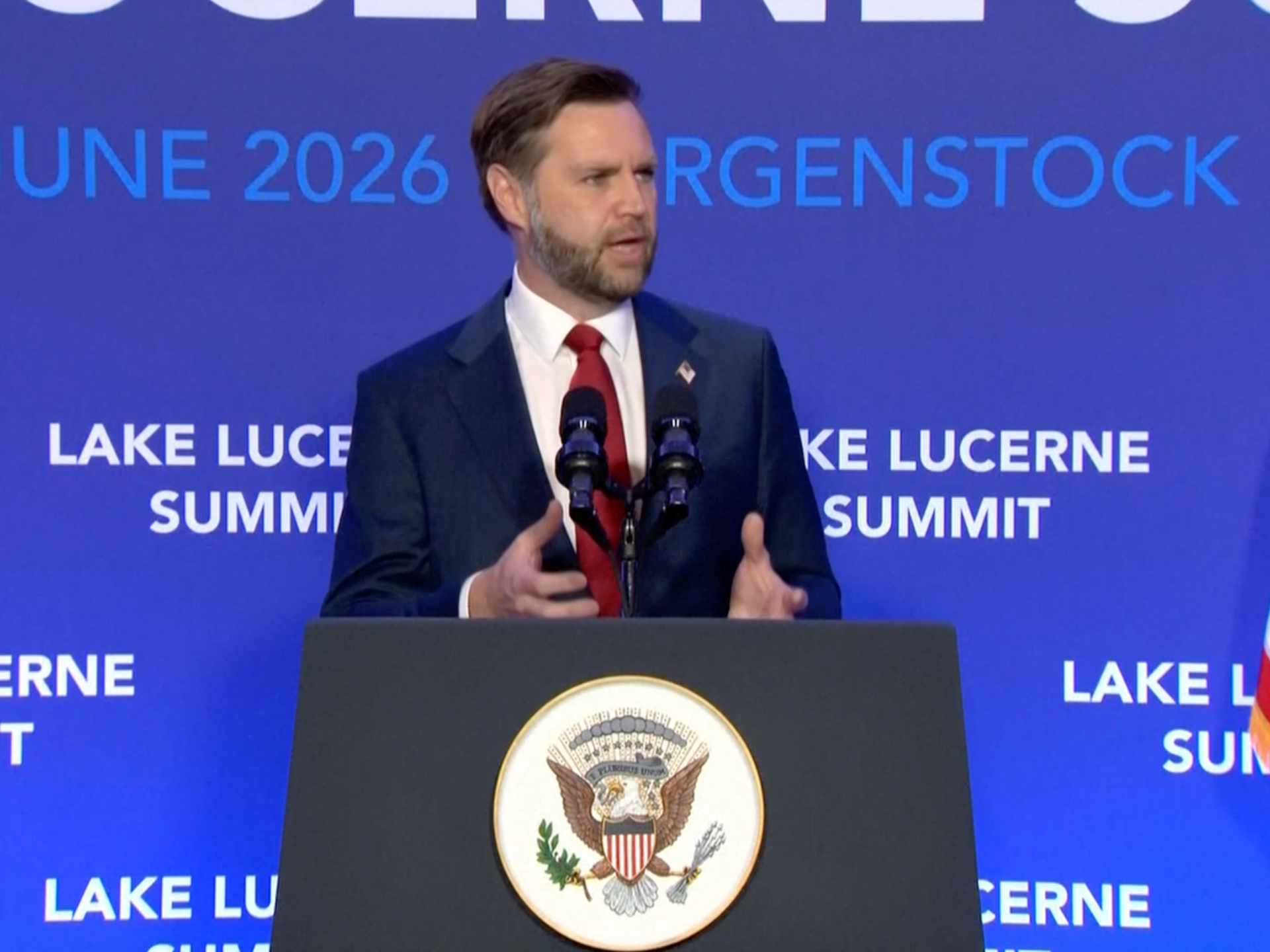
Diplomatic Efforts and Nuclear Program Discussions
US Vice President JD Vance recently provided an update on the diplomatic efforts between the United States and Iran, highlighting what he described as significant advancements in the negotiations. These talks primarily focus on Iran's nuclear program, a long-standing point of international concern and a subject of intense diplomatic engagement. The discussions aim to address global anxieties regarding the potential development of nuclear weapons by Iran, a claim Tehran consistently denies, asserting its nuclear ambitions are purely for peaceful energy purposes.
The United States, alongside other global powers, has been involved in a multifaceted approach to curb Iran's nuclear capabilities, often employing a combination of sanctions and diplomatic overtures. Vice President Vance's statement suggests a potentially positive shift in these complex negotiations, though specific details regarding the nature of the progress were not extensively elaborated upon in his public remarks. The intricacies of these discussions often involve intricate technical details, verification mechanisms, and assurances from all parties involved to ensure compliance with international agreements and non-proliferation treaties.
Addressing Regional Conflicts and Stability
Beyond the nuclear issue, the discussions with Iran also reportedly touched upon the broader regional stability, specifically addressing the ongoing conflict between Israel and Lebanon. This particular aspect of the negotiations underscores the interconnectedness of various geopolitical challenges in the Middle East. The conflict in Lebanon has significant humanitarian and political implications, affecting not only the immediate parties but also potentially drawing in other regional and international actors.
Vice President Vance, while acknowledging the discussions on this conflict, notably refrained from committing to an Israeli withdrawal from Lebanese territory. This stance reflects the delicate balance of interests and the complex political landscape inherent in Middle Eastern diplomacy. The US often plays a mediating role in such conflicts, seeking to de-escalate tensions and facilitate pathways to resolution without dictating specific outcomes that might infringe upon the sovereignty or security concerns of the involved nations.
Vice President Vance stated that President Trump is actively working to bring 'permanent peace' to a region that has been 'a basket case for a long time.' This comment encapsulates a broader US foreign policy objective to foster long-term stability and resolution in a historically volatile part of the world.
The pursuit of 'permanent peace' in the Middle East is a significant undertaking, given the region's history of conflicts, political rivalries, and deeply entrenched issues. Such an objective would require sustained diplomatic engagement, economic cooperation, and a willingness from all parties to compromise and find common ground. The US administration's emphasis on this goal suggests a strategic commitment to addressing the root causes of instability rather than merely managing crises.
Challenges and Prospects for Lasting Peace
Achieving lasting peace in the Middle East faces numerous challenges, including but not limited to, sectarian divisions, proxy conflicts, economic disparities, and external interventions. The Iran nuclear deal, officially known as the Joint Comprehensive Plan of Action (JCPOA), has been a contentious issue, with varying perspectives on its effectiveness and future. The current administration's approach to Iran has involved both pressure and dialogue, indicating a nuanced strategy to bring Tehran to the negotiating table on multiple fronts.
The prospect of significant progress in these negotiations, as suggested by Vice President Vance, could potentially pave the way for broader regional de-escalation. However, any breakthroughs would likely be subject to rigorous verification and require sustained commitment from all stakeholders. The international community continues to monitor these developments closely, understanding that stability in the Middle East has far-reaching implications for global security and economic prosperity.
The US administration's diplomatic efforts with Iran, encompassing both nuclear concerns and regional conflicts, represent a critical component of its foreign policy agenda. The outcome of these discussions could significantly influence the future trajectory of the Middle East, potentially leading to either renewed tensions or, as Vance hopes, a path towards more enduring peace and stability.
Source: Original Article
Related Articles
 world
world
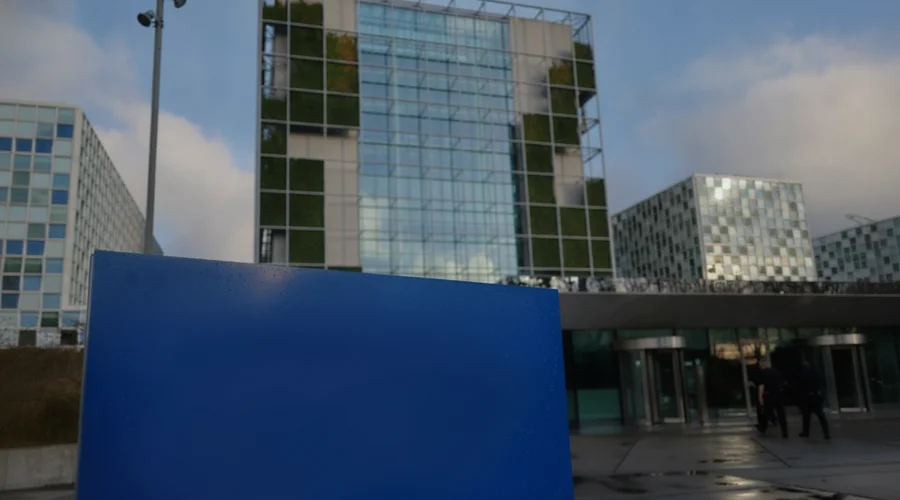
Calls for International Criminal Court to Probe Allegations of Sexual Violence in Israeli Detention
 world
world
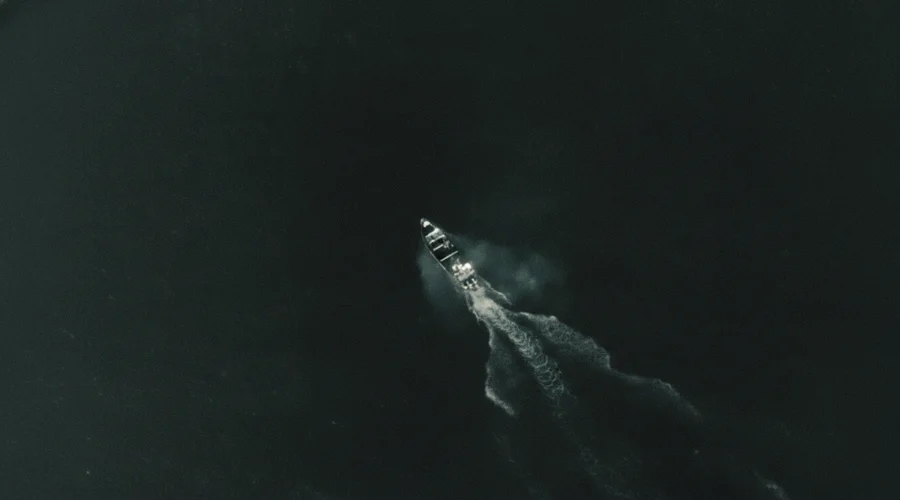
US Military Strike in Eastern Pacific Leads to Two Fatalities on Suspected Drug Vessel
 world
world
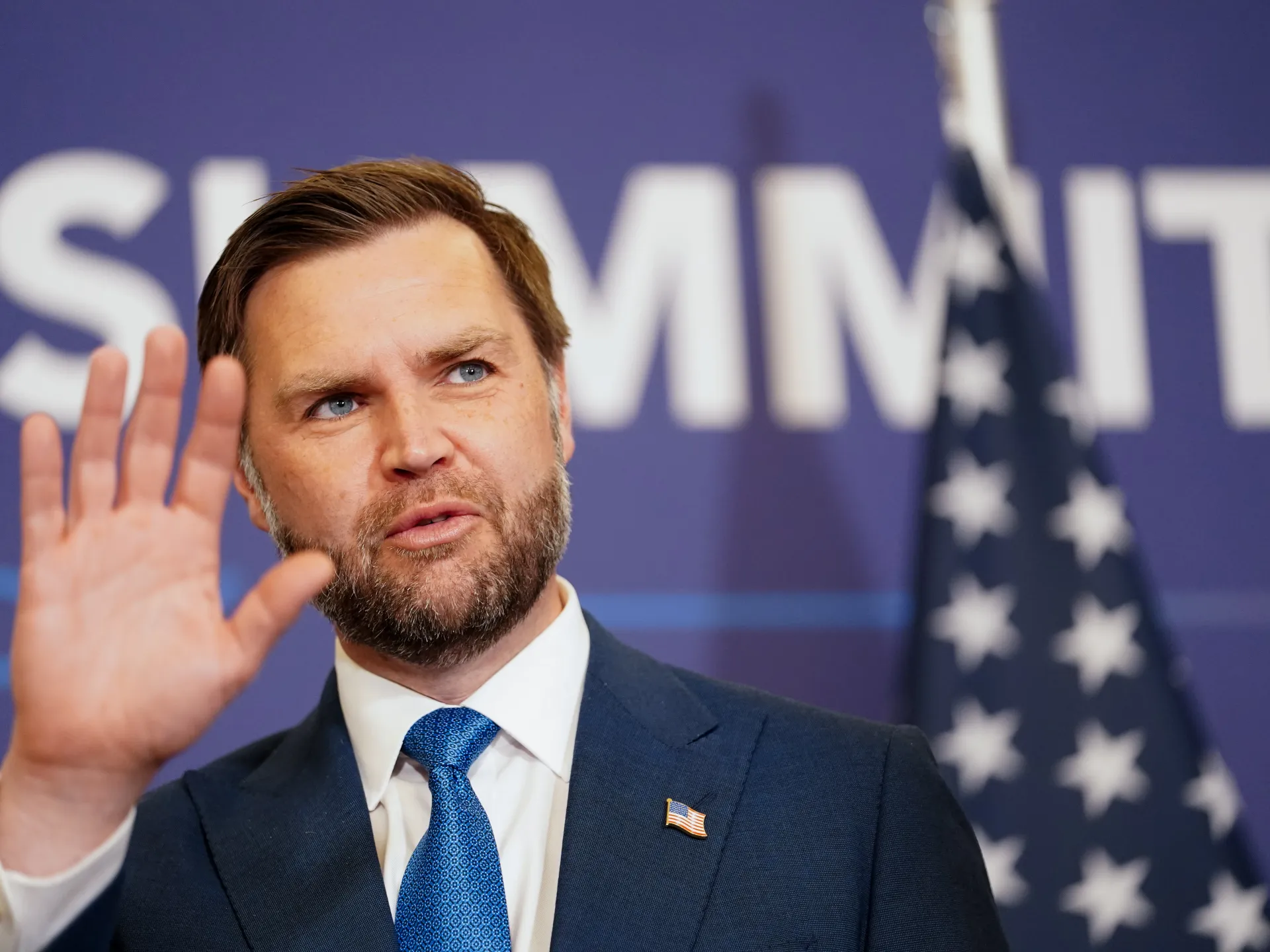
US Vice President Vance Arrives in Switzerland for Critical US-Iran Peace Negotiations Amid Regional Tensions
 world
world