
Diplomatic Efforts Unravel as US-Iran Hostilities Resurface
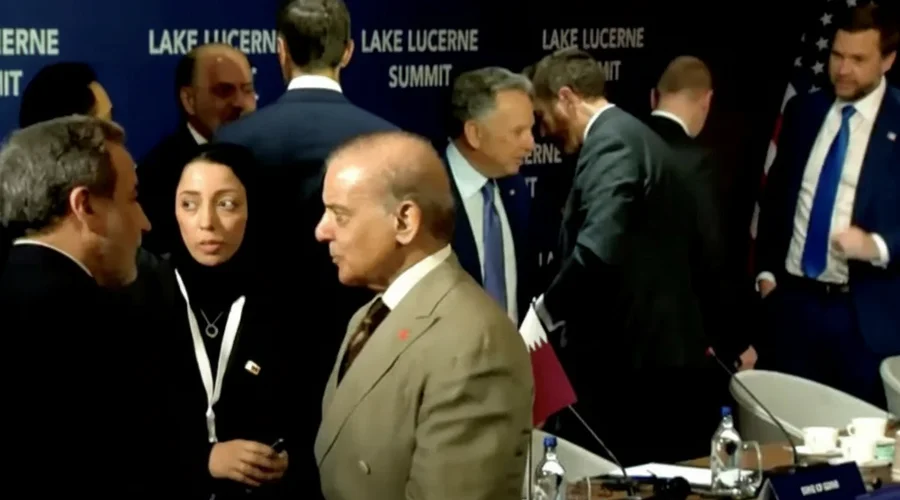
Islamabad's meticulous diplomatic endeavors to foster a lasting peace between the United States and Iran have encountered a significant setback, as renewed hostilities between the two nations threaten to dismantle a carefully brokered ceasefire. Less than a month after a memorandum of understanding (MoU) was signed, aiming to extend a ceasefire and pave the way for long-term stability, both Washington and Tehran have engaged in a fresh wave of confrontations, raising questions about the efficacy of ongoing mediation.
On June 17, Pakistani Prime Minister Shehbaz Sharif played a pivotal role in mediating the MoU, a document intended to de-escalate tensions and facilitate dialogue. However, recent developments have seen the US launch a series of attacks on Iran, prompting retaliatory strikes from Tehran against several Gulf and Arab nations accused of hosting American military installations. These actions have led Pakistan's Ministry of Foreign Affairs to issue multiple statements expressing profound concern over the deteriorating situation.
Despite the escalating conflict, Iranian Foreign Ministry spokesman Esmaeil Baghaei confirmed that mediators, including Pakistan, Qatar, and Oman, are still actively engaged in diplomatic outreach. Baghaei, however, cautioned that Iran would continue to respond to what it perceives as US non-compliance with the MoU. Pakistan, for its part, has maintained its commitment to dialogue, with Deputy Prime Minister and Foreign Minister Ishaq Dar emphasizing that diplomacy remains the only viable path to resolution during a recent phone call with Iranian Foreign Minister Abbas Araghchi.
Similarly, Prime Minister Sharif conveyed his concerns to Iranian President Masoud Pezeshkian, highlighting the risk to hard-earned peace gains. Dar also engaged in discussions with Saudi Foreign Minister Prince Faisal bin Farhan Al Saud, underscoring the broad regional implications of the current crisis.
Repeated Breaches and Intensified Conflict
The latest surge in fighting marks at least the third instance of the US-Iran ceasefire, initially agreed upon on April 8, appearing to collapse. Following the initial truce, the breakdown of early talks in Islamabad led to a US naval blockade in the Strait of Hormuz, quickly followed by reciprocal attacks on shipping. Subsequently, after the June 17 MoU, Iran targeted several vessels in the Strait of Hormuz, alleging unauthorized passage, which again triggered escalation with Washington.
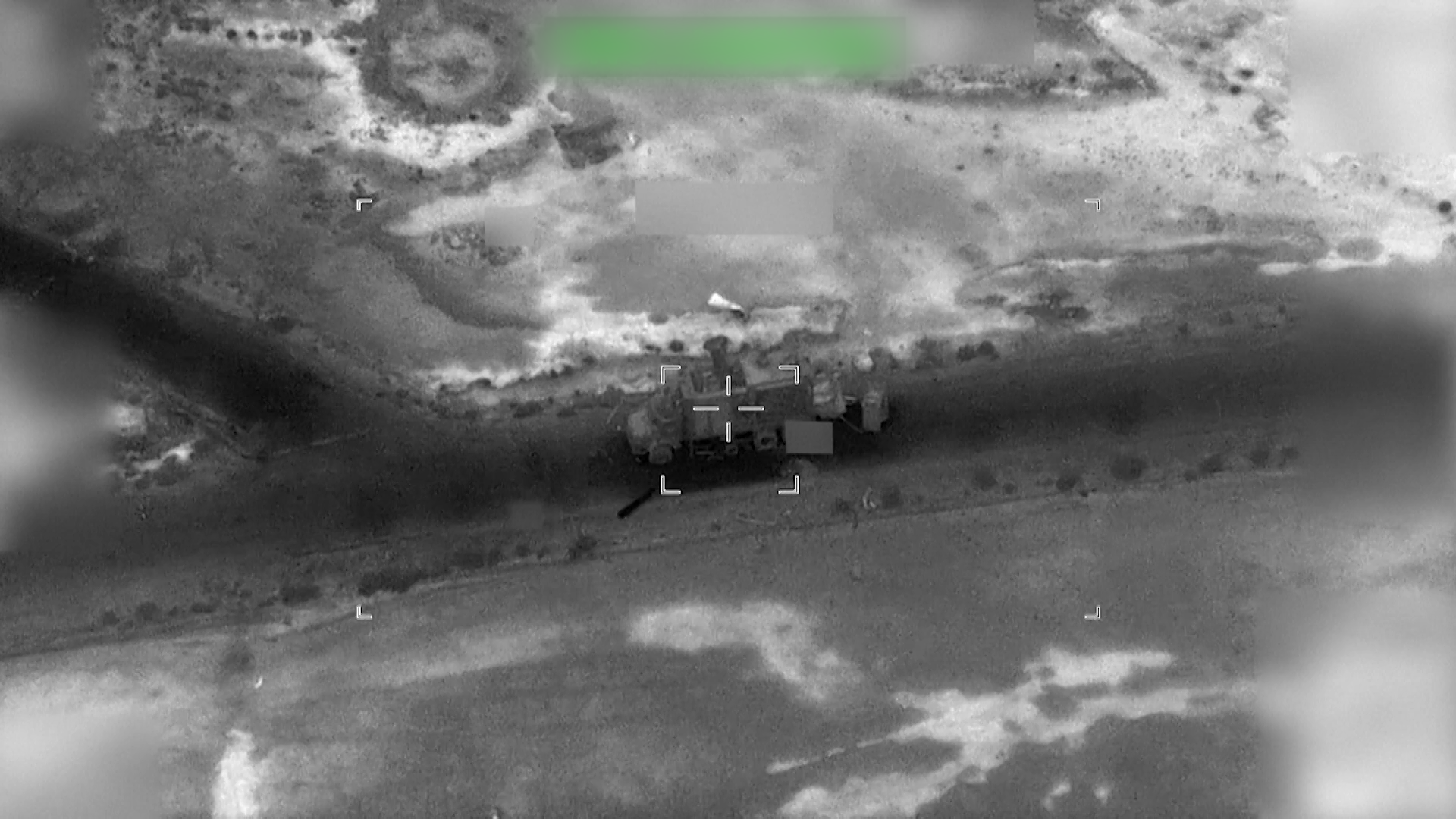
However, recent Iranian tanker strikes have significantly heightened tensions. Subsequent US attacks on Iran have reportedly affected at least 10 provinces, resulting in casualties among Iranian personnel and civilians, and damaging critical infrastructure, including a railway bridge vital for trade and a bridge near Mashhad used by mourners. The conflict has also drawn Qatar more directly into the fray, with Iranian missiles and drones striking the Gulf state, causing injuries and damage.
Iran's Ministry of Foreign Affairs has accused Washington of violating nearly all aspects of the June agreement within 25 days of its signing, citing attacks on transport infrastructure and fishing vessels. Baghaei asserted Iran's good faith throughout the process but maintained that Iran would not uphold its obligations if the other party failed to meet theirs.
Pakistan's Limited Leverage in a Crowded Diplomatic Arena
Since the conflict's inception on February 28, Islamabad has consistently positioned itself as a mediator. It hosted groundbreaking talks in April, marking the first direct engagement between US and Iranian officials in four decades. High-level Pakistani military and interior officials have also undertaken multiple visits to Tehran. In late March, Pakistan contributed to a Chinese-backed peace framework alongside its own diplomatic initiatives, culminating in the June MoU signed by President Trump, President Pezeshkian, and Prime Minister Sharif, and discussed at the Burgenstock summit.
Despite these efforts, analysts suggest that Pakistan's capacity to enforce the agreements it brokers is limited. Javad Heiran-Nia, director of the Persian Gulf Studies Group, noted that the MoU primarily served as a tactical instrument to halt hostilities and reopen the Strait of Hormuz, rather than resolving underlying disputes. Heiran-Nia emphasized that Iran views control of the waterway as a strategic asset and a deterrent, prepared to risk conflict to maintain this advantage. He contended that mediators lack the necessary tools to resolve the dispute without a significant shift in the balance of power.
Dania Thafer, executive director of the Gulf International Forum, echoed this sentiment, highlighting Pakistan's narrowing room for maneuver as both sides harden their positions on the strait. She suggested that de-escalation is unlikely while both Washington and Tehran remain in an 'escalatory phase,' anticipating a return to negotiations only when one side perceives a decisive advantage.
Conversely, Qamar Cheema, head of the Sanober Institute, argued that Pakistan possesses genuine influence, citing US Vice President JD Vance's acknowledgment of Pakistani Field Marshal Asim Munir's role in the process. Cheema asserted that Pakistan's access and trusted relationships enable it to facilitate communication and address impasses.
Competing Mediation Efforts and Unresolved Core Issues
Pakistan has not been the sole diplomatic channel. Heiran-Nia pointed out that the Strait of Hormuz issue was never primarily within Pakistan's mediation purview, as Iran had previously designated it as a bilateral matter with Oman. Direct Iran-Oman talks followed, but US pressure and sanctions threats on Muscat hindered meaningful progress. The recent attacks on Qatar also threaten to undermine Doha's mediatory role, though it currently shows no inclination to withdraw.
Mustafa Hyder Sayed, executive director of the Pakistan-China Institute, described the unenviable position of Gulf Cooperation Council (GCC) countries, caught between maintaining functional relations with Iran and accommodating US military presence. Meanwhile, Israel, not a party to the MoU, continues military operations in Lebanon, which Tehran cites as a violation of the agreement, further exacerbating regional tensions.
Despite a week of escalating attacks, the fundamental disagreement persists: control and conditions for passage through the Strait of Hormuz. Iran asserts its authority under the MoU, while the US disputes this. President Trump announced the reinstatement of a naval blockade and a 20 percent tariff on ships passing through the strait. A potential compromise involving commercial vessels coordinating passage with both Iran and a designated Arab Gulf state was explored but stalled following the funeral of Iran's former Supreme Leader Ayatollah Khamenei.
Heiran-Nia warned that the current trajectory involves continued military strikes aimed at shifting the balance of power, with a significant risk of strategic calculations spiraling out of control. However, Thafer noted that neither side has formally abandoned the MoU, with Iran framing the current escalation as a violation rather than a reason to exit the agreement, suggesting a glimmer of hope for future dialogue. Both sides, she concluded, bear responsibility for breaching the agreement, yet its formal existence provides a basis for potential re-engagement.
Source: Original Article
Related Articles
 world
world
Yemen's Houthi Movement Claims Retaliatory Strike on Saudi Airport Amid Escalating Tensions
 world
world
Mexico Requests U.S. Legal Action Over Immigration Deaths
 world
world
Former President Trump Issues Warning Regarding Iranian Nuclear Site Amid Regional Tensions
 world
world