
Overview of Recent Military Engagements
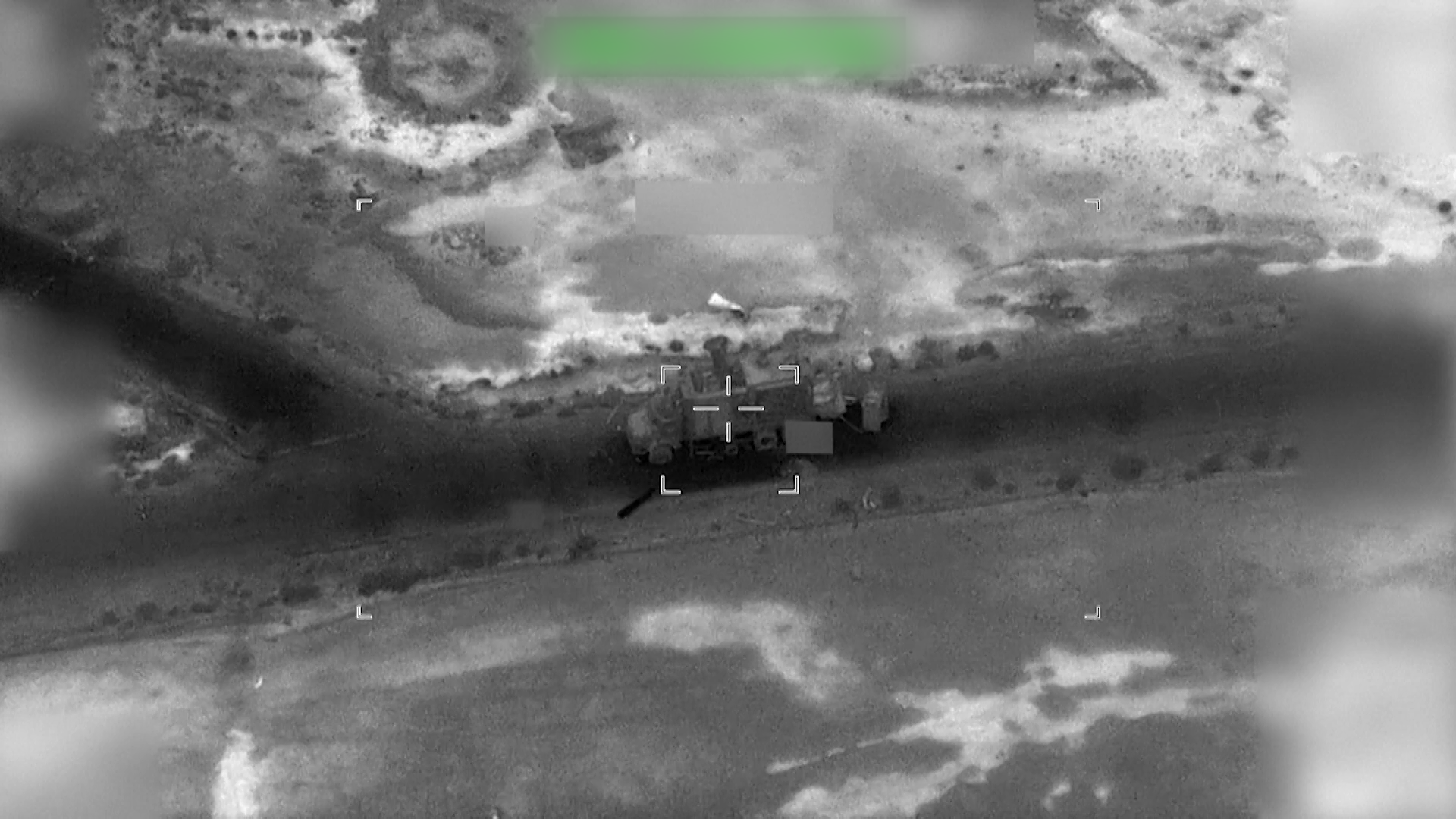
The United States Central Command (CENTCOM) has disseminated video evidence showcasing its latest series of military strikes within the Persian Gulf region. These operations reportedly focused on strategic locations in Iran, specifically Bandar Abbas and the islands of Qeshm, Kish, and Abu Musa. The release of this footage provides a visual account of the ongoing military activities in the area, contributing to the public record of these significant events.
Following these reported US actions, Iran's Islamic Revolutionary Guard Corps (IRGC) declared that it had launched its own retaliatory strikes. The IRGC asserted that its targets included facilities in Bahrain, Kuwait, and Jordan. This sequence of events underscores a period of heightened tensions and military exchanges in the broader Middle East, drawing international attention to the potential for further escalation.
Details of US Central Command's Operations
The video content released by CENTCOM is intended to corroborate the details of its recent aerial assaults. Bandar Abbas, a major port city in southern Iran, is recognized for its strategic importance as a naval base and a key hub for maritime trade. The targeted islands of Qeshm, Kish, and Abu Musa are also significant. Qeshm, the largest island in the Persian Gulf, holds economic importance and has a history of military installations. Kish Island is known for its free trade zone and tourism, but also possesses strategic value due to its location. Abu Musa, a small but strategically positioned island, has been a long-standing point of contention between Iran and the United Arab Emirates, further highlighting the geopolitical sensitivities of the region.
The precision and nature of these strikes, as depicted in the CENTCOM video, suggest a calculated approach to military engagement. Such disclosures by military commands are often aimed at informing the public, demonstrating operational capabilities, and potentially serving as a deterrent against further aggression. The release of visual evidence in contemporary conflicts has become a standard practice, offering a degree of transparency regarding military actions, albeit from a specific operational perspective.
Iran's Reported Retaliation and Regional Implications
In response to the US strikes, the IRGC's announcement of retaliatory actions against Bahrain, Kuwait, and Jordan introduces a new dimension to the conflict. Bahrain hosts the US Navy's Fifth Fleet and is a key regional ally. Kuwait also has a significant US military presence, including an airbase. Jordan, a critical partner in regional security, has also been a recipient of US military aid and hosts US forces. The IRGC's targeting of these nations, if confirmed, would represent a broadening of the conflict beyond direct US-Iran exchanges, potentially drawing in additional regional actors.
The claims made by the IRGC are subject to independent verification, and the full extent of any damage or casualties in Bahrain, Kuwait, and Jordan remains to be definitively established. However, the mere assertion of such strikes by a major military force like the IRGC carries significant weight, influencing regional stability and international diplomatic efforts. The implications of these retaliatory actions could include increased security alerts in the affected countries, a re-evaluation of military postures by regional and international powers, and renewed calls for de-escalation from global bodies.
The current climate in the Persian Gulf region is characterized by a delicate balance, where military actions by any party can trigger a chain reaction. The reported US strikes and the subsequent IRGC retaliation underscore the urgent need for diplomatic engagement to prevent a wider conflagration.
International Response and Future Outlook
The international community is closely observing these developments. Global powers and regional organizations are likely to issue statements urging restraint and calling for peaceful resolutions. The United Nations and other diplomatic channels may become more active in mediating the escalating tensions. The economic ramifications, particularly concerning global oil markets given the region's importance to energy supplies, are also a significant concern.
The events of the past few days highlight the complexities of geopolitical dynamics in the Middle East. The interplay of national interests, historical grievances, and military capabilities contributes to an environment where swift and decisive actions can have far-reaching consequences. As further information emerges and is independently verified, a clearer picture of the impact and trajectory of these recent military engagements will become apparent. The focus remains on de-escalation and the prevention of a more extensive regional conflict.
Source: Original Article
Related Articles
 world
world
Yemen's Houthi Movement Claims Retaliatory Strike on Saudi Airport Amid Escalating Tensions
 world
world
Mexico Requests U.S. Legal Action Over Immigration Deaths
 world
world
Former President Trump Issues Warning Regarding Iranian Nuclear Site Amid Regional Tensions
 world
world