
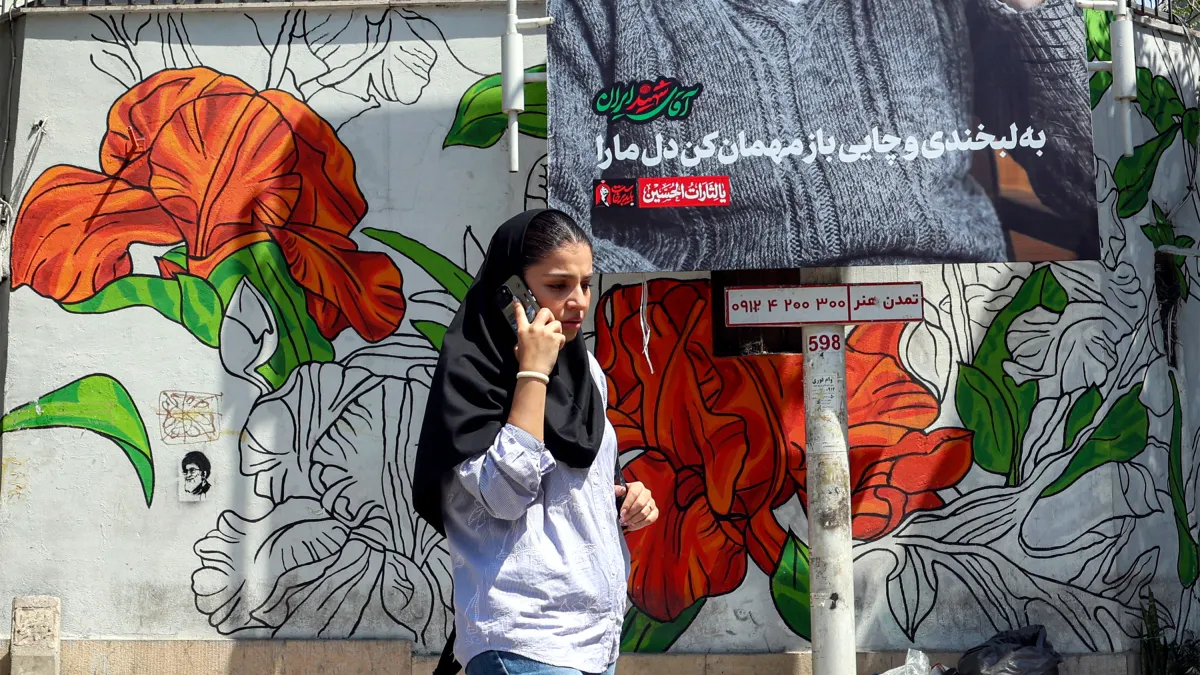
Indirect Talks in Doha Yield Limited Progress
A recent round of indirect technical discussions between Iranian and United States representatives in Doha concluded with no immediate indication of a major stride toward a comprehensive and enduring peace agreement. The primary focus of these talks reportedly centered on matters that had been addressed and seemingly resolved during an interim accord announced two weeks prior. These diplomatic engagements unfolded following a period marked by reciprocal military actions between the US and Iran, largely stemming from disagreements concerning shipping lanes within the strategically vital Strait of Hormuz.
Key Participants and Mediation Efforts
In Doha, Qatari Emir Sheikh Tamim bin Hamad Al Thani engaged with prominent US envoys, including Steve Witkoff and Jared Kushner. During these meetings, Sheikh Tamim reiterated Qatar's unwavering commitment to its role as a mediator, working in conjunction with Pakistan, to de-escalate the broader conflict in the Middle East. Leading the Iranian technical delegation was Deputy Foreign Minister Kazem Gharibabadi. Notably, Iran's top diplomatic figures, Foreign Minister Abbas Araghchi and Speaker Mohammad Bagher Ghalibaf, were absent from these specific discussions.
Points of Agreement and Ongoing Disputes
While official statements from both sides refrained from detailing any resolutions of their fundamental disagreements, Gharibabadi informed Iranian media that two distinct meetings took place. The initial session, according to Gharibabadi, addressed alleged 'violations of obligations' by the US, leading to an agreement to establish a dedicated communication channel for dispute resolution. The subsequent meeting focused on the release of $6 billion in Iranian funds that had been frozen. Gharibabadi elaborated that during discussions with Qatari officials, including those from the Central Bank, various aspects pertaining to the expenditure of a portion of these initial funds were reviewed. An understanding was reached that, based on Iran's communicated requirements, necessary goods would be procured and made available to the nation.
Strait of Hormuz and Nuclear Program Discussions
US Vice President JD Vance confirmed that the Strait of Hormuz was among the topics of discussion. Additionally, informed sources indicated that Iran's nuclear program, the frozen funds, and the conflict in Lebanon were also on the agenda. Data from shipping analytics firm Kpler suggests a revival in commercial maritime traffic through the Strait of Hormuz, with movements increasing by over 50 percent in the week of June 22–28 compared to the preceding week.
Separately, Speaker Ghalibaf refuted reports that the International Atomic Energy Agency (IAEA) had gained access to Iranian nuclear sites that were reportedly targeted during a 12-day conflict the previous year, specifically mentioning Fordow, Natanz, and Isfahan. State broadcaster IRIB quoted Ghalibaf stating, 'Currently, inspectors only have access to two locations: Bushehr power plant and Tehran reactor.' He further explained that the parliament had enacted legislation explicitly prohibiting such access, a stance also supported by a resolution from the Supreme National Security Council. These remarks from Ghalibaf followed comments by IAEA chief Rafael Grossi, who had asserted that the agency's inspectors would 'have to have access and inspect' Iran's nuclear facilities under the framework of the Iran-US memorandum of understanding (MoU).
Future Prospects and Next Steps
Qatar's foreign ministry spokesperson, Majed al-Ansari, conveyed that Iranian and US negotiators had achieved 'positive progress' during the technical talks in Doha. Al-Ansari stated on X that 'Qatar & Pakistan mediators concluded separate meetings with the US & Iranian negotiators in Doha today, with positive progress made on issues related to the Islamabad Memorandum of Understanding, building on the outcomes of the Lake Lucerne Summit.' He further added that 'The parties agreed to continue discussions over the coming period, with the next meeting to be scheduled as soon as possible after the conclusion of the funeral processions for the former Iranian Supreme Leader.' Pakistan's foreign ministry issued a similar statement shortly thereafter.
The upcoming six-day funeral processions for former Iranian Supreme Leader Ali Khamenei, who reportedly died in a US-Israeli strike on the first day of the war, are scheduled to commence on Saturday in both Iran and Iraq. Pakistani Prime Minister Shehbaz Sharif is anticipated to travel to Tehran on Friday to participate in the commemorations for Khamenei.
Source: Original Article
Related Articles
 world
world
US Designates Ecuador's Chone Killers as Terrorist Organization Amid Broader Anti-Crime Efforts
 world
world
Venezuelan Earthquake Survivors Await Crucial International Assistance Amidst Devastation
 world
world
China's New Ethnic Unity Law Expands Extraterritorial Legal Reach
 world
world