
Widespread Devastation and the Call for Aid
Venezuela has recently experienced significant seismic activity, with a series of powerful earthquakes causing widespread damage and displacement. The natural disaster has left numerous communities in distress, compelling many survivors to rely heavily on international humanitarian assistance for their immediate needs and long-term recovery. Reports from various affected regions indicate a dire situation, with infrastructure severely compromised and essential services disrupted. The scale of the destruction has overwhelmed local capacities, leading to urgent appeals for global support.
The immediate aftermath of the earthquakes has been characterized by extensive rescue operations and the establishment of temporary shelters. Many affected individuals have lost their homes, possessions, and livelihoods, facing an uncertain future. The humanitarian response has seen a concerted effort from both domestic and international organizations to provide relief, including medical supplies, food, water, and temporary housing. However, the sheer magnitude of the crisis means that resources are stretched thin, and the coordination of aid distribution remains a significant challenge.
Relief Efforts and Community Impact
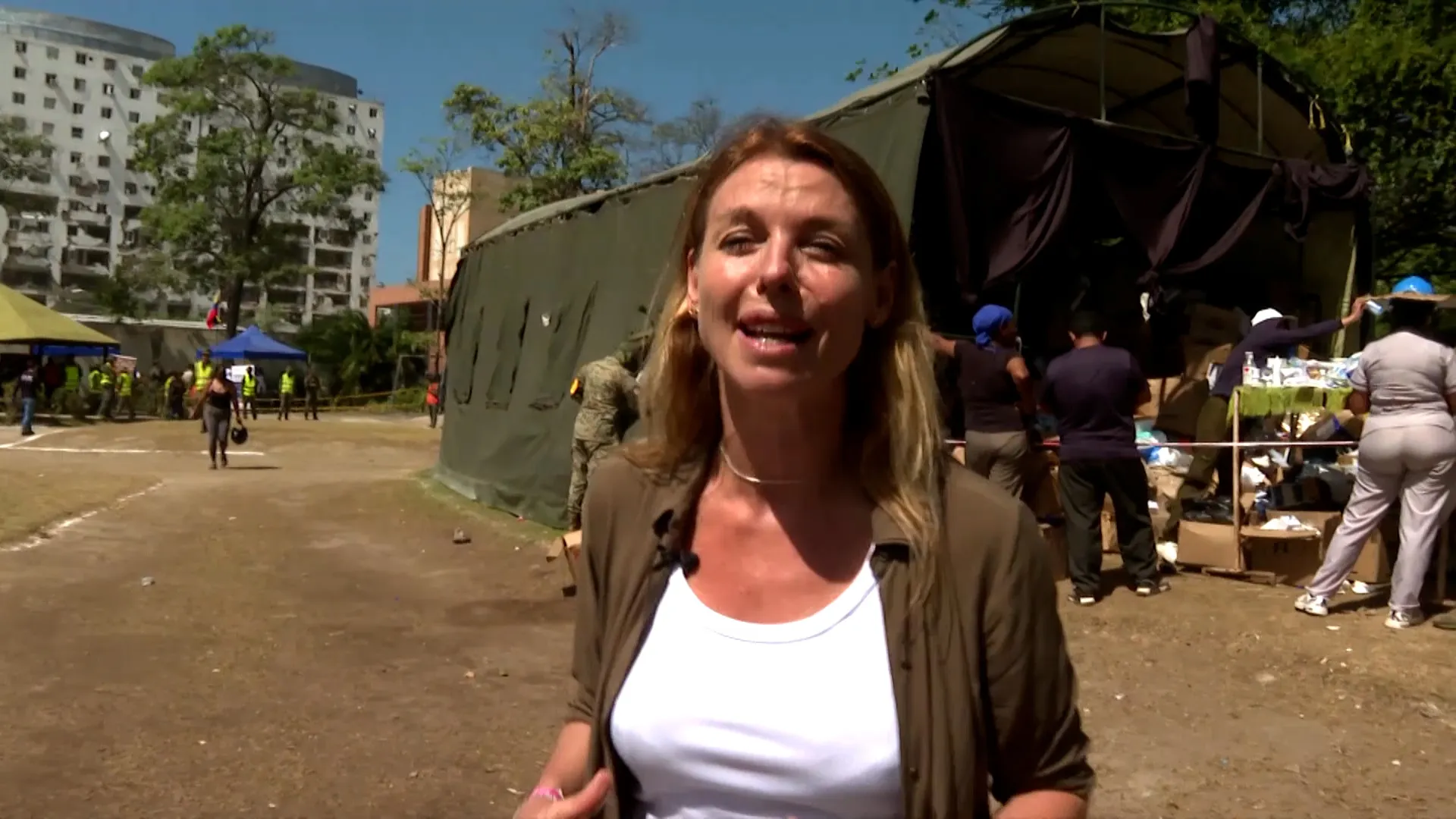
In one example of the ongoing relief operations, a golf course has been repurposed into a relief center, providing refuge and essential services to hundreds of individuals displaced by the twin earthquakes. This improvised center, like many others, serves as a focal point for humanitarian efforts, offering a semblance of stability to those who have lost everything. Volunteers and aid workers are laboring tirelessly to address the pressing needs of the affected population, from providing psychological support to distributing basic necessities.
The transformation of recreational spaces into emergency shelters highlights the severity of the situation and the innovative approaches being taken to manage the crisis. These centers are not merely places of shelter but also hubs for community rebuilding, where individuals can access information, medical care, and a sense of solidarity. Despite these efforts, the logistical complexities of reaching remote areas and ensuring equitable distribution of aid persist, underscoring the ongoing challenges faced by humanitarian organizations.
Challenges in Aid Delivery
While international aid has been acknowledged as crucial for the recovery process, a recurring concern among survivors is the perceived slowness of its arrival. Many individuals on the ground report that assistance is not reaching them with the necessary speed, leading to prolonged periods of hardship and uncertainty. This delay can be attributed to several factors, including logistical hurdles, damaged infrastructure, and the sheer volume of aid required to meet the needs of a large, affected population.
The geographical layout of Venezuela, coupled with the extent of damage to roads and communication networks, complicates the rapid deployment of aid. Furthermore, bureaucratic processes and coordination challenges among various international and local entities can inadvertently slow down the distribution pipeline. These delays, while understandable in the context of a major disaster, exacerbate the suffering of those awaiting assistance, prompting calls for more streamlined and efficient aid delivery mechanisms.
The Role of International Cooperation
The earthquakes have underscored the critical importance of international cooperation in disaster response. Countries and organizations worldwide have pledged support, demonstrating global solidarity with the Venezuelan people. This assistance comes in various forms, including financial contributions, material aid, and specialized personnel. The involvement of international bodies is essential not only for immediate relief but also for the long-term reconstruction efforts that will be necessary to help Venezuela recover from this natural catastrophe.
Effective international cooperation requires robust coordination frameworks to ensure that aid is deployed strategically and reaches those most in need. Lessons learned from previous disaster responses emphasize the importance of pre-planning, rapid assessment, and flexible approaches to adapt to evolving situations on the ground. As Venezuela navigates the aftermath of these devastating earthquakes, the sustained and efficient flow of international aid will be paramount to its recovery.
Looking Ahead: Recovery and Resilience
The path to recovery for Venezuela will be arduous and protracted. Beyond the immediate provision of humanitarian aid, there is an urgent need for comprehensive strategies that address housing, infrastructure repair, and economic revitalization. The psychological impact of such a disaster on individuals and communities also requires sustained attention, with mental health support becoming an integral component of the recovery process.
The resilience of the Venezuelan people, coupled with ongoing international support, will be key to overcoming the challenges posed by the earthquakes. As relief efforts continue, the focus will gradually shift towards rebuilding and fostering long-term stability. The experience serves as a stark reminder of the vulnerability of nations to natural disasters and the indispensable role of global humanitarian assistance in mitigating their devastating effects.
Source: Original Article
Related Articles
 world
world
US Designates Ecuador's Chone Killers as Terrorist Organization Amid Broader Anti-Crime Efforts
 world
world
China's New Ethnic Unity Law Expands Extraterritorial Legal Reach
 world
world
Venezuelan Earthquake Aftermath: A Struggle for Survival Amidst Rising Casualties and Aid Efforts
 world
world