
US Designates Chone Killers as Terrorist Organization
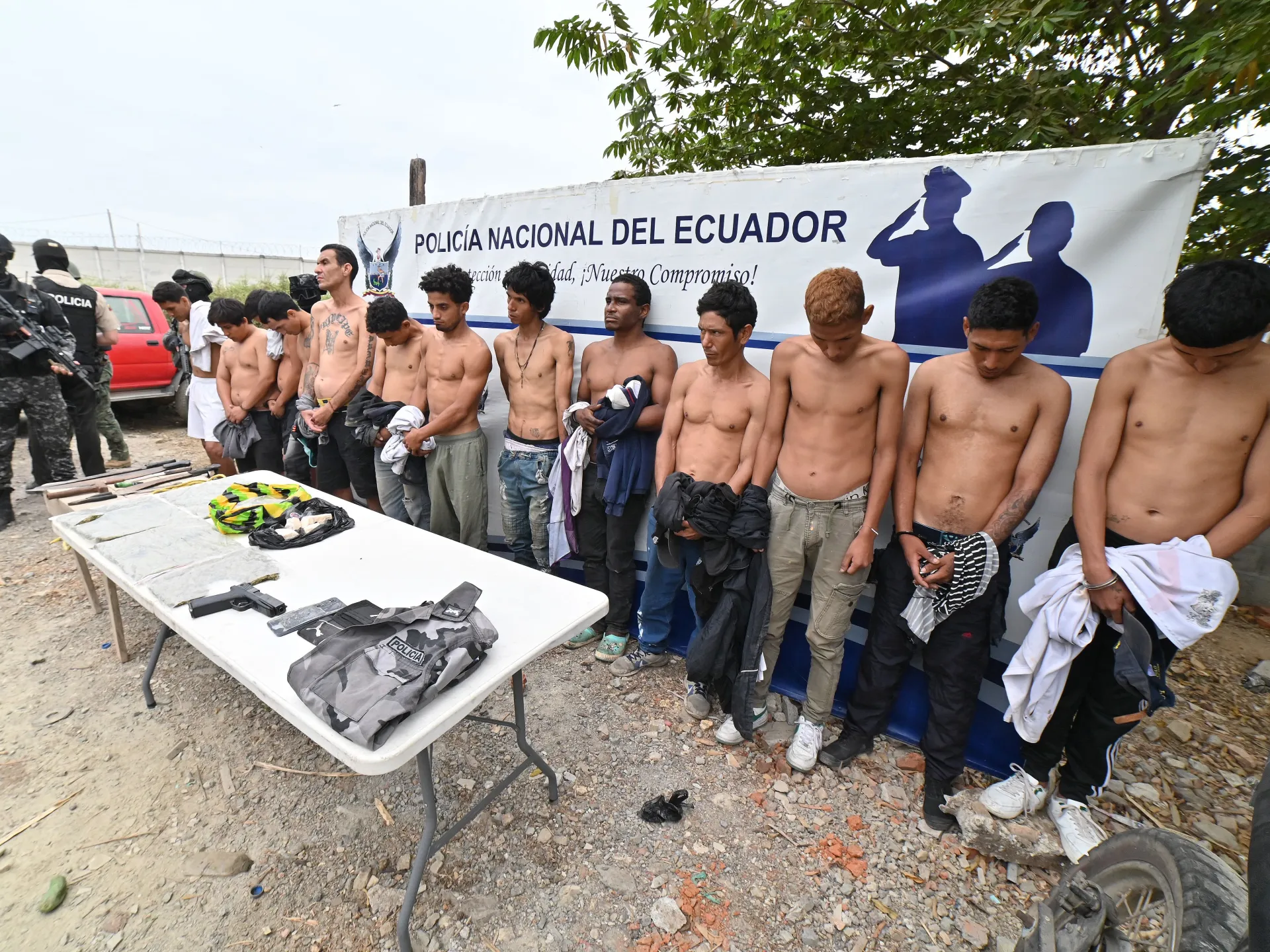
The United States Department of State has officially designated the Ecuadorean criminal organization, Chone Killers, as a foreign “terrorist organization.” This decision, announced recently, includes imposing sanctions on the group, which Washington alleges is responsible for a series of attacks against both civilians and government representatives. US Secretary of State Marco Rubio further specified that the gang has also been categorized as a “Specially Designated Global Terrorist.”
Secretary Rubio’s statement highlighted the severity of the group’s actions, noting, “Chone Killers has committed numerous attacks targeting civilians, law enforcement officers and government officials, including high-profile assassinations of public officials.” This formal designation underscores the US administration’s commitment to combating organized crime and drug trafficking networks operating within Latin America.
Broader US Strategy Against Transnational Crime
This action against the Chone Killers is consistent with a wider initiative by the administration of US President Donald Trump to confront and dismantle organized crime and drug trafficking operations across Latin America. The Trump administration has previously extended similar “terrorist” designations to other significant criminal entities in the region, including Venezuela’s Tren de Aragua and the notorious Mexican Sinaloa cartel.
Rubio emphasized the collaborative nature of these efforts, stating, “The Trump administration, in partnership with Ecuador and President Daniel Noboa, will continue to protect our hemisphere by keeping illicit drugs off our streets and disrupting the revenue streams funding violent narcoterrorists.” He further elaborated on the alleged connections between Ecuadorean gangs and Mexican cartels, asserting that these Ecuadorean groups facilitate the transportation and export of illegal drugs, thereby financing “terrorism” and other illicit activities.
Ecuador's Response and Ongoing Crackdown
Ecuador’s Ministry of Foreign Affairs publicly welcomed the US designation, interpreting it as a strong endorsement of President Daniel Noboa’s aggressive stance against criminal organizations within the country. In a statement posted on social media, the Ministry expressed gratitude, saying, “The Government of Ecuador thanks the firm support of the United States for the decision by President Daniel Noboa to maintain an all-out fight against criminal organisations.”
President Noboa, recognized as a firm ally of President Trump, has initiated a robust, US-backed campaign aimed at eradicating gang activity across Ecuador. This campaign has involved implementing curfews and deploying military forces to various provinces, signaling a significant escalation in the nation’s efforts to restore order and combat the influence of criminal groups.
Impact of the Designation
The designation as a “terrorist organization” carries significant implications, primarily enabling the US government to freeze any assets the Chone Killers may hold within US jurisdiction and prohibiting American citizens from engaging in any transactions with the group. This move is designed to disrupt the gang’s financial operations and limit its ability to conduct illicit activities. Furthermore, it reinforces international efforts to isolate and weaken such groups by cutting off their access to global financial systems and resources.
The US Department of Treasury, in conjunction with the State Department, typically plays a crucial role in implementing and enforcing these sanctions, which can include restrictions on travel and other financial penalties for individuals or entities found to be supporting or associated with the designated group. Such designations serve not only as a punitive measure but also as a deterrent to others who might consider engaging in similar criminal enterprises, particularly those with transnational implications.
The ongoing collaboration between the US and Ecuadorean governments highlights a shared objective to enhance regional security and stability by dismantling organized crime networks that pose a threat to both national and international interests. This partnership is expected to continue evolving as both nations adapt to the complex and dynamic challenges presented by transnational criminal organizations.
Source: Original Article
Related Articles
 world
world
Venezuelan Earthquake Survivors Await Crucial International Assistance Amidst Devastation
 world
world
China's New Ethnic Unity Law Expands Extraterritorial Legal Reach
 world
world
Venezuelan Earthquake Aftermath: A Struggle for Survival Amidst Rising Casualties and Aid Efforts
 world
world