

Diplomatic Efforts Face Setback as Regional Conflicts Intensify
Planned discussions between the United States and Iran, intended to address the technical aspects of their recent ceasefire agreement, have been postponed. The Swiss Foreign Ministry confirmed on Friday that the talks, originally slated to occur in Burgenstock, Switzerland, would not proceed as scheduled. This delay has sparked apprehension regarding the durability of the ceasefire accord that the U.S. and Iran had digitally signed just days prior.
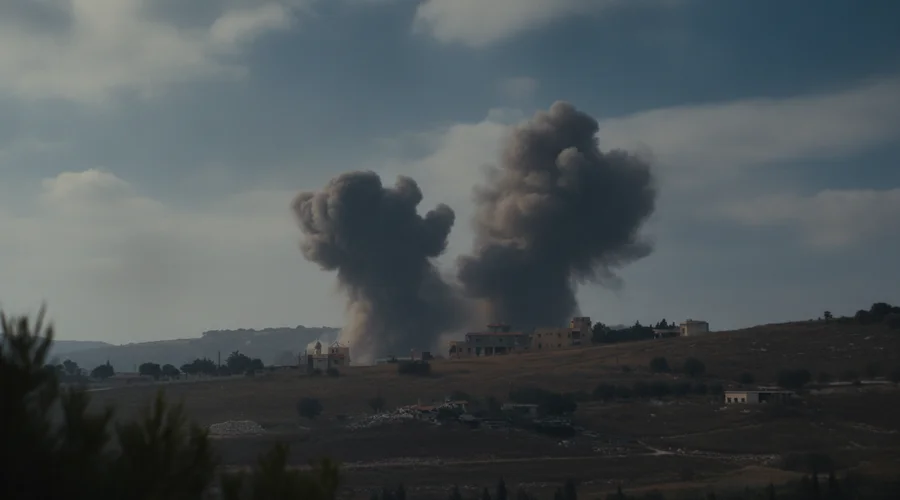
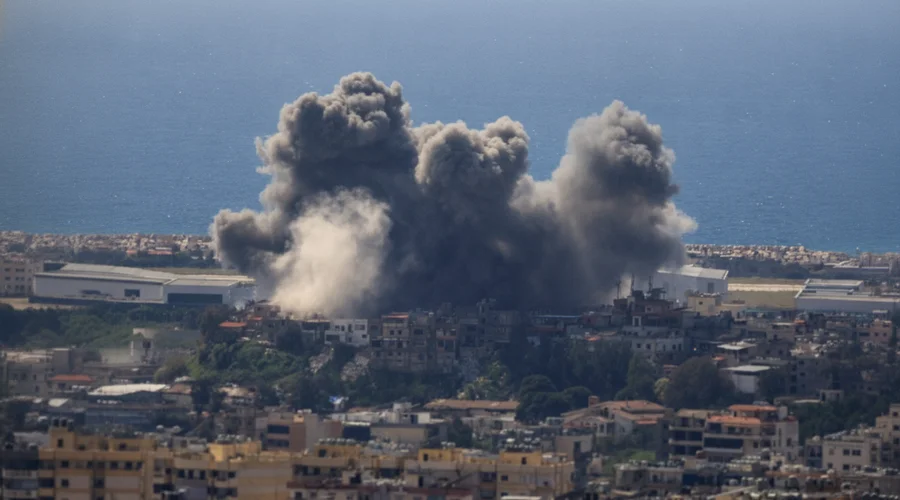
Reports indicate that Iran opted to delay sending its delegation to Switzerland, citing Israel's ongoing military actions in Lebanon. Overnight and into Friday, Israeli attacks in southern Lebanon reportedly resulted in at least 18 fatalities, with Hezbollah, an Iran-backed group, reporting intense combat in the region.
Tehran's Demands and Red Lines
Iran, perceiving an increased willingness from the U.S. administration to conclude a conflict that has become unpopular domestically, has adopted a firm stance. While acknowledging the ceasefire framework, Tehran's chief negotiator, Mohammad Bagher Ghalibaf, stated on Friday that any future discussions would adhere strictly to Iran's "red lines." A primary demand from Tehran during negotiations has been a cessation of Israeli hostilities in Lebanon.
Ghalibaf, quoted by the official IRNA news agency, asserted, "If the enemy seeks to be excessive, we have proven that our fingers are on the trigger and we have no hesitation in giving a crushing response to the enemy."
The concerns surrounding the stability of the agreement prompted mediators, including Pakistan, Saudi Arabia, and Turkiye, to arrange a meeting in Alamein, Egypt, on Sunday, as confirmed by Cairo and Islamabad.
Strategic Gestures Amidst Uncertainty
Despite strong rhetoric, Iran later announced on Friday that it would waive planned fees for using the Strait of Hormuz during the 60-day negotiation period outlined in the Memorandum of Understanding (MoU). The Persian Gulf Strait Authority (PGSA) indicated that vessels seeking passage through the vital strait during this interim period would be exempt from fees, provided they comply with requirements such as 48-hour notice and coordination of routes and transit times.
The anticipated ceremony and subsequent talks were expected to take place at the Burgenstock Resort in Stansstad, near Lucerne. This venue is owned by Katara Hospitality, part of Qatar’s sovereign wealth fund, which has played a role in mediating peace efforts in the region.
In a message to AFP, the Swiss Foreign Ministry confirmed the postponement, stating, "The planned talks between the US, Iran, Qatar and Pakistan have been postponed. Switzerland remains ready to facilitate these talks. The relevant preparatory work at Burgenstock is continuing," but did not provide a new date.
This announcement followed a report from Al Mayadeen suggesting Iran's delay in dispatching its delegation due to the ongoing Israeli military campaign in Lebanon. Israeli Prime Minister Benjamin Netanyahu had previously stated on Thursday that Israel's military would maintain a "security zone" in southern Lebanon for as long as "Israel’s security needs require it." It is important to note that Israel and Hezbollah are not direct parties to the US-Iran agreement, yet Iran has consistently demanded Israel's withdrawal from the significant portion of southern Lebanon it currently occupies.
Internal Divisions and International Criticism
The U.S. push to quickly commence high-level talks with Iran encountered a significant hurdle just two days after the signing of the 14-point MoU, which established a framework for negotiations over a 60-day period. Vice President JD Vance was prepared to fly overnight to meet his Iranian counterparts at the Swiss resort. His staff and a small contingent of journalists had gathered at Joint Base Andrews outside Washington in anticipation of the trip, while numerous White House officials, advance teams, and media had already assembled in Switzerland.
However, the trip was abruptly called off on Thursday evening. The White House released a statement explaining that Vance, designated by President Donald Trump to lead the negotiations, and his delegation were ready for talks, but that plans could not be finalized, and the Vice President would remain in Washington. The statement acknowledged the inherent complexities, noting, "The logistics of these negotiations have never been simple or predictable."
Israel's refusal to halt its military operations in Lebanon has exacerbated growing frustration within the White House, particularly due to the potential risks it poses to the ceasefire with Iran. Following assertive comments from hardline Israeli ministers insisting that their military would not be bound by the US-Iran agreement, Vice President Vance expressed his displeasure on Thursday evening, prior to the postponement of the Swiss talks. He remarked, "If I were in the cabinet of the Israeli government, I might not be attacking the only powerful ally that I have anywhere left in the entire world."
Source: Fears for US-Iran deal as talks delayed by Israeli strikes on Lebanon
Related Articles
 world
world
World Cup: A Yemeni Fan's Enduring Passion Amidst Decades of Conflict
 world
world
Escalating Tensions: Israeli Strikes Persist in Southern Lebanon Amid Diplomatic Efforts
 world
world
US-Iran Peace Efforts Face Jeopardy Amid Escalating Israeli Actions in Lebanon
 world
world